Salad VS Bok Choy
A detailed nutritional comparison
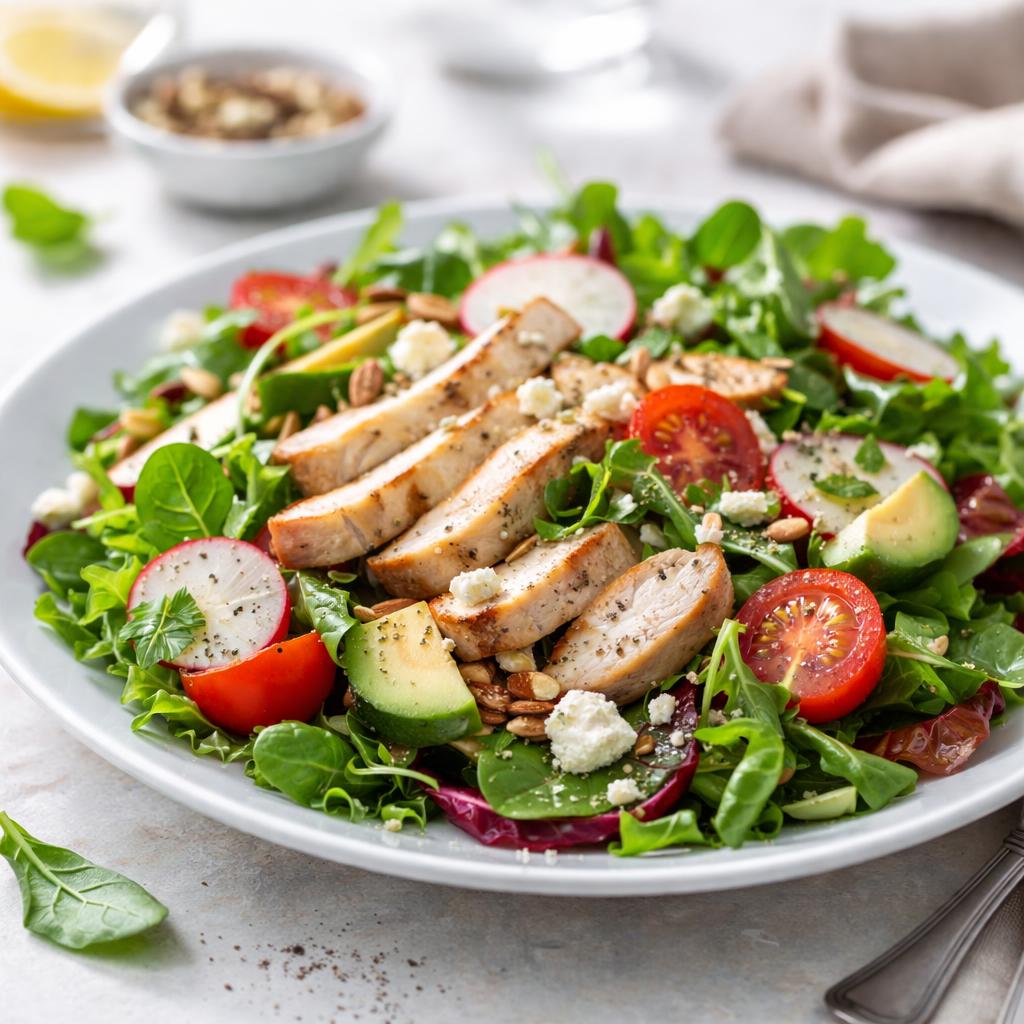
Salad
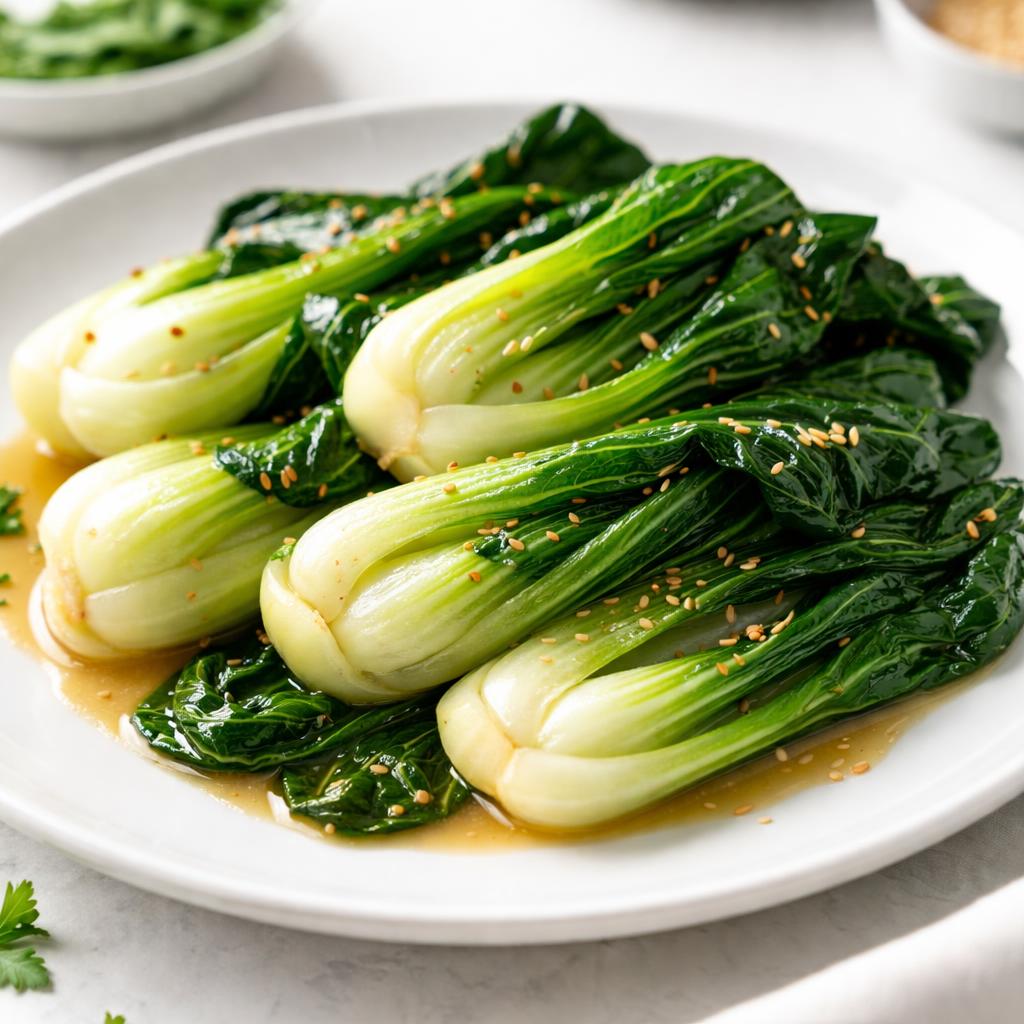
Bok Choy
🎯 Quick Verdict
Salad and bok choy are both nutrient-dense foods offering low calories, but with different strengths. Salad edges out bok choy in fiber content, making it better for digestion, while bok choy wins in protein and provides more vitamins like calcium and Vitamin A. Both are excellent for weight loss and versatile in meals, though bok choy may have a slight edge in nutritional density overall.

Smart Nutrition Tracking with SnapCalorie

📊 Nutritional Comparison
Macronutrients
| Nutrient | Food 1 | Food 2 | Winner |
|---|---|---|---|
| Calories | 15 (per cup) | 15 (per cup) | − |
| Protein | 0.5g | 1.5g | − |
| Carbs | 3g | 2.2g | − |
| Fat | 0.2g | 0.1g | − |
| Fiber | 1.2g | 0.7g | − |
Vitamins & Minerals
| Nutrient | Food 1 | Food 2 | Winner |
|---|---|---|---|
| Vitamin A | 1000 IU | 2236 IU | − |
| Vitamin C | 15mg | 31mg | − |
| Calcium | 15mg | 74mg | − |
| Iron | 0.5mg | 0.6mg | − |
🏆 Category Winners
Protein
Bok choy has three times the protein of salad per serving.
Fiber
Salad provides nearly double the fiber for better digestion.
Calories
Both are extraordinarily low-calorie, at only 15 calories per cup.
Vitamins
Bok choy delivers higher amounts of Vitamin A, Vitamin C, and calcium.
🥗 Diet Compatibility
Keto
Food 1: Compatible
Food 2: Compatible
Both are low-carb and suitable for a keto diet.
Vegan
Food 1: Compatible
Food 2: Compatible
Both are plant-based and align with vegan diets.
Gluten Free
Food 1: Compatible
Food 2: Compatible
Neither contains gluten or gluten-derived ingredients.
Paleo
Food 1: Compatible
Food 2: Compatible
Both are natural, whole foods suitable for paleo diets.
Low-Carb
Food 1: Compatible
Food 2: Compatible
Both foods provide minimal carbs, making them ideal for low-carb eating plans.
💪 Health Benefits Comparison
Food 1 Benefits
- Good source of fiber for digestive health
- Contains antioxidants to combat free radicals
- Provides hydration due to high water content
- Supports weight loss due to very low calories
Food 2 Benefits
- Rich in vitamins A, C, and calcium for bone health and immunity
- Contains protein to support muscle maintenance
- Offers antioxidants like beta-carotene for skin health
- Low calorie and versatile in various recipes
✅ The Bottom Line
Choose salad for enhanced digestion and an overall lighter meal, especially if you need more fiber. Bok choy is the better option for maximizing protein and vitamin intake in a low-calorie way, making it great for balanced nutrition or stir-fries. Both are excellent in weight loss and heart-healthy diets.
Choose Food 1 for: Digestive support, light meals, weight loss
Choose Food 2 for: Muscle maintenance, balanced nutrition, stir-fry dishes


