Salad VS Blueberries
A detailed nutritional comparison
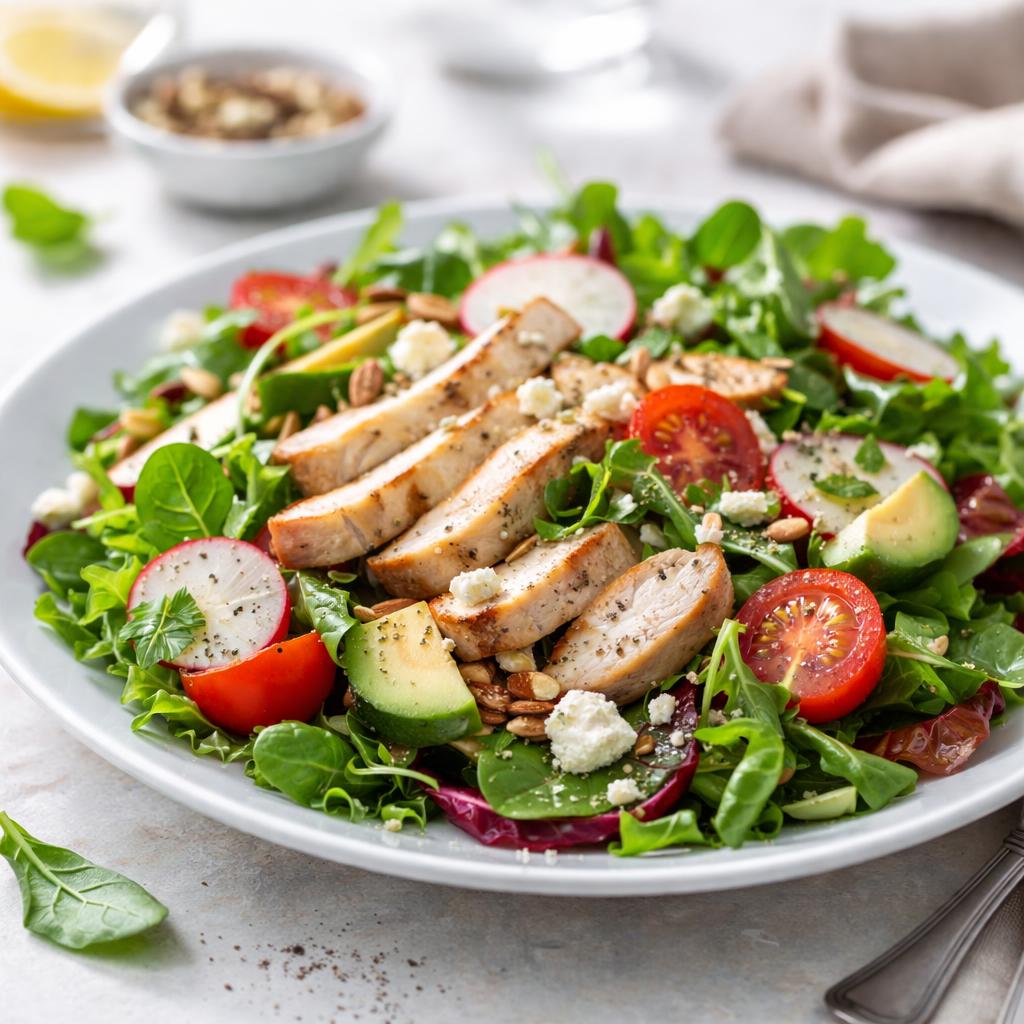
Salad
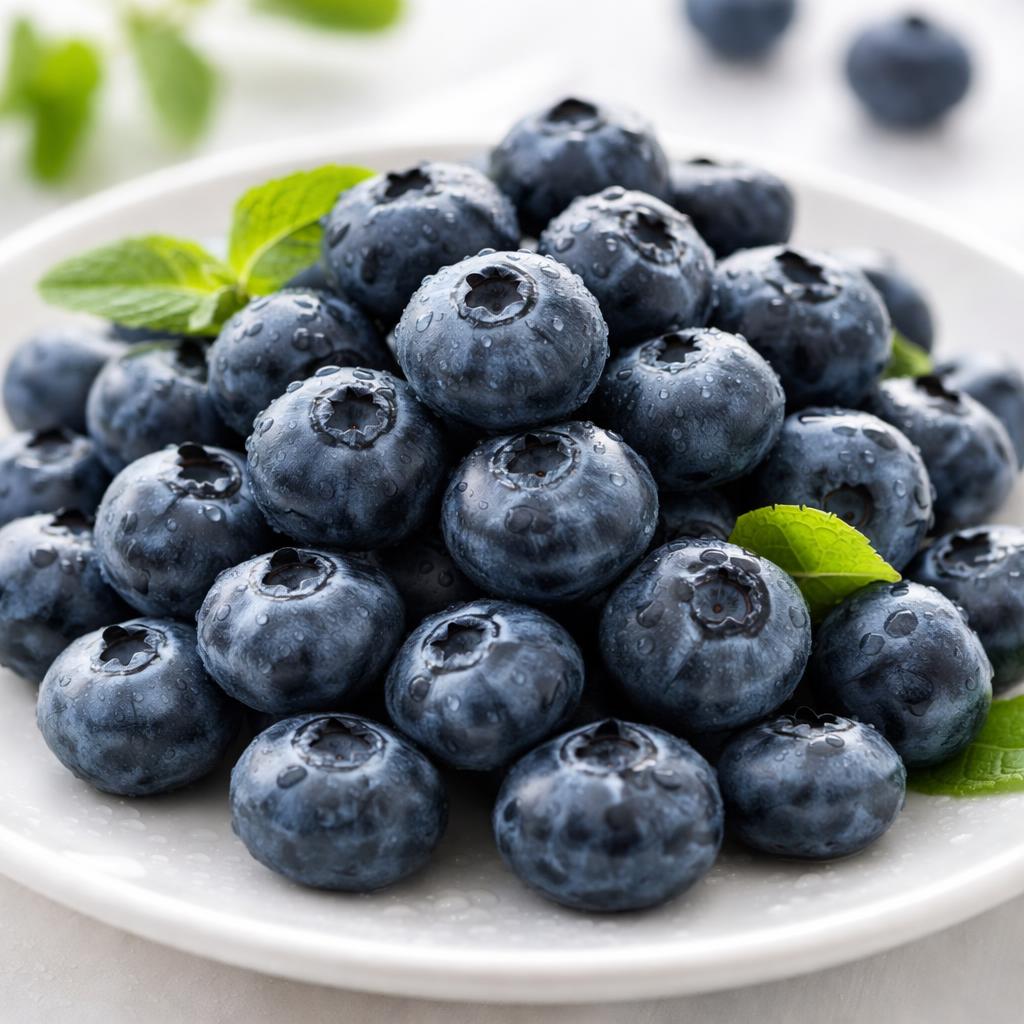
Blueberries
🎯 Quick Verdict
Salad is a better choice for overall nutrient density, offering more protein, fiber, and vitamins per serving compared to blueberries. Blueberries shine in their antioxidant profile and provide natural sugars for an energy boost. Salad works well for weight management and nutrient balance, while blueberries are ideal for snacking and dessert options.

Smart Nutrition Tracking with SnapCalorie

📊 Nutritional Comparison
Macronutrients
| Nutrient | Food 1 | Food 2 | Winner |
|---|---|---|---|
| Calories | 50 (per 100g) | 57 (per 100g) | − |
| Protein | 2.3g (per 100g) | 0.74g (per 100g) | ✓ |
| Carbs | 9g (per 100g) | 14.5g (per 100g) | ✓ |
| Fat | 0.4g (per 100g) | 0.3g (per 100g) | ✓ |
| Fiber | 1.8g (per 100g) | 2.4g (per 100g) | ✓ |
Vitamins & Minerals
| Nutrient | Food 1 | Food 2 | Winner |
|---|---|---|---|
| Vitamin C | 12mg (per 100g) | 9.7mg (per 100g) | ✓ |
| Vitamin K | 88mcg (per 100g) | 19.3mcg (per 100g) | ✓ |
| Vitamin A | 15mcg (per 100g) | 3mcg (per 100g) | ✓ |
🏆 Category Winners
Protein
Salad provides over 3 times more protein than blueberries per 100g.
Fiber
Blueberries offer slightly more fiber, benefiting digestion.
Calories
Both are low-calorie options, suitable for weight management.
Vitamins
Salad contains higher levels of vitamin C, K, and A, making it more nutrient-dense.
🥗 Diet Compatibility
Keto
Food 1: Compatible
Food 2: Partially Compatible
Salad is very low in carbs, while blueberries have moderate carbs (14.5g per 100g).
Vegan
Food 1: Compatible
Food 2: Compatible
Both are plant-based and entirely vegan.
Gluten Free
Food 1: Compatible
Food 2: Compatible
Neither salad nor blueberries contain gluten.
Paleo
Food 1: Compatible
Food 2: Compatible
Both fit into paleo dietary guidelines.
Low Carb
Food 1: Compatible
Food 2: Not Compatible
Salad has minimal carbohydrates, whereas blueberries are higher-carb due to natural sugars.
💪 Health Benefits Comparison
Food 1 Benefits
- High in vitamin K, supporting bone health.
- Good to excellent source of fiber aiding digestion.
- Contains multiple vitamins for immune health.
Food 2 Benefits
- Rich in antioxidants like anthocyanins, protecting against cell damage.
- Supports brain health due to its polyphenol content.
- Provides natural sugars for sustained energy.
✅ The Bottom Line
Choose salad if you need a nutrient-dense, low-calorie meal base or side packed with protein and vitamins. Opt for blueberries for a snack or dessert focused on antioxidants and natural sweetness.
Choose Food 1 for: Weight loss, low-carb diets, nutrient-dense meals
Choose Food 2 for: Antioxidant support, brain health, on-the-go energy


