Salad VS Black Olives
A detailed nutritional comparison
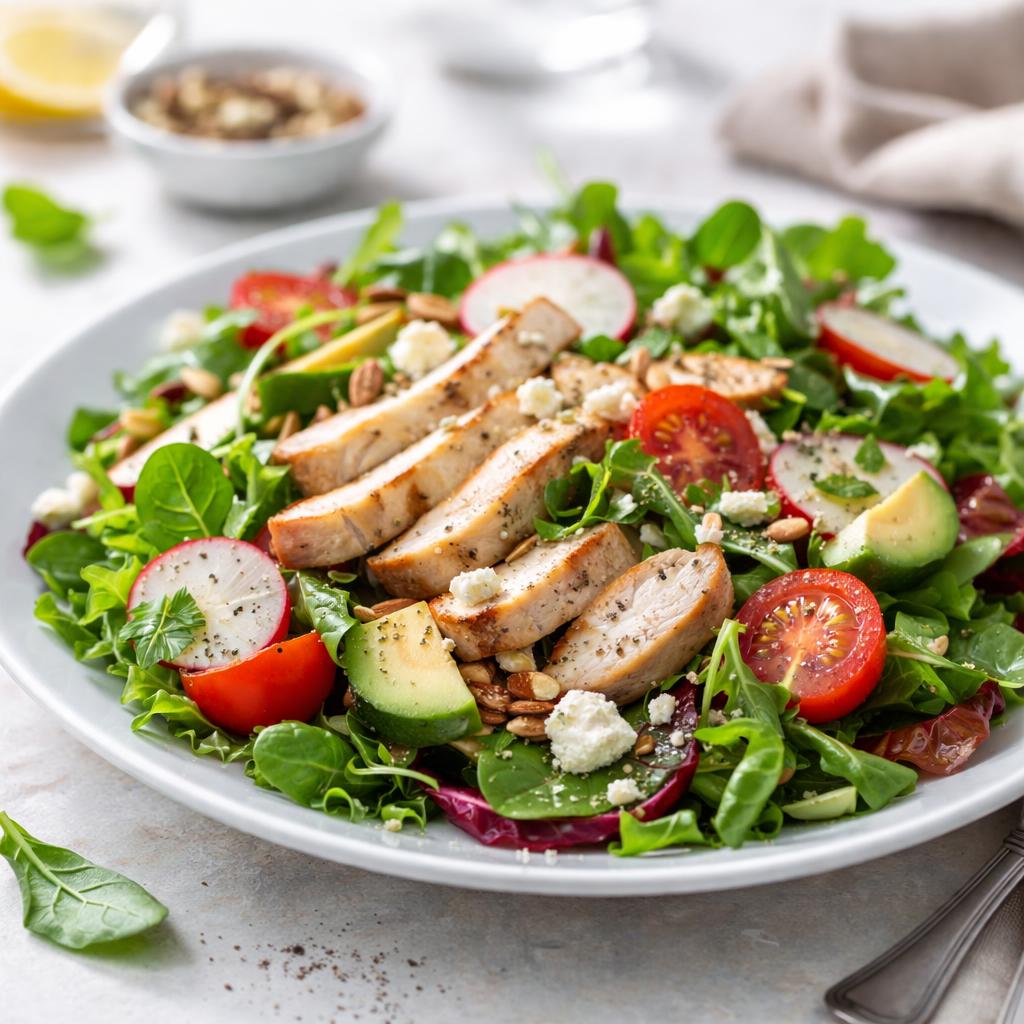
Salad
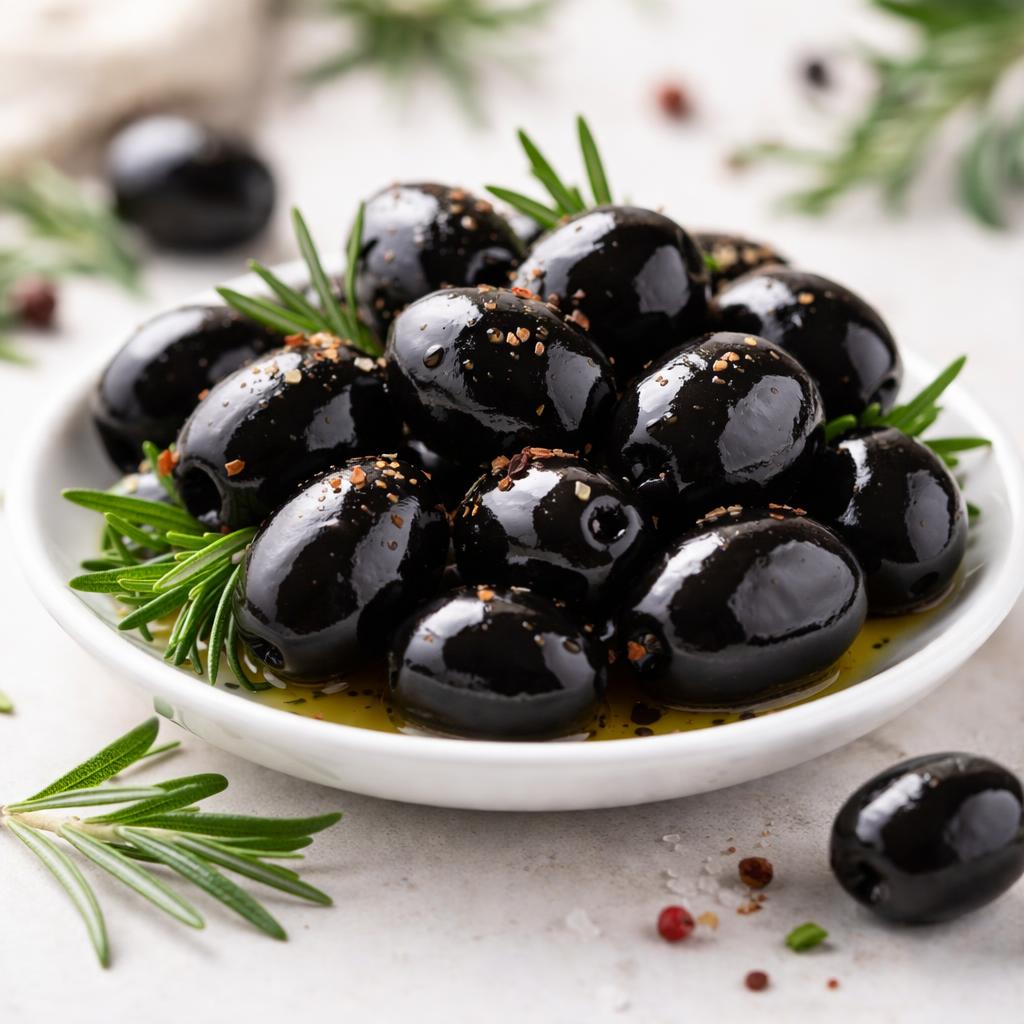
Black Olives
🎯 Quick Verdict
Salad is lower in calories, higher in fiber, and provides more protein than black olives, making it ideal for weight loss and digestion support. Black olives are rich in healthy fats and offer antioxidants, suitable for heart health and sustained energy. Choose salad for a lighter, nutrient-dense option, and black olives as a flavorful addition to meals or snacks with healthy fats.

Smart Nutrition Tracking with SnapCalorie

📊 Nutritional Comparison
Macronutrients
| Nutrient | Food 1 | Food 2 | Winner |
|---|---|---|---|
| Calories | 35 | 115 | ✓ |
| Protein | 2g | 0.8g | ✓ |
| Carbs | 6g | 6g | − |
| Fat | 0.3g | 10g | ✓ |
| Fiber | 2g | 1g | ✓ |
Vitamins & Minerals
| Nutrient | Food 1 | Food 2 | Winner |
|---|---|---|---|
| Vitamin C | 18mg | 0mg | ✓ |
| Vitamin A | 500IU | 130IU | ✓ |
| Iron | 0.7mg | 0.6mg | ✓ |
🏆 Category Winners
Protein
Salad has more than double the protein compared to black olives.
Fiber
Salad provides 100% more fiber than black olives.
Calories
Salad has significantly fewer calories per serving.
Vitamins
Salad is richer in Vitamin C, A, and Iron compared to black olives.
🥗 Diet Compatibility
Keto
Food 1: Compatible
Food 2: Compatible
Both foods are relatively low-carb and keto-friendly within reasonable serving sizes.
Vegan
Food 1: Compatible
Food 2: Compatible
Both are plant-based and suitable for vegans.
Gluten Free
Food 1: Compatible
Food 2: Compatible
Neither contains gluten.
Paleo
Food 1: Compatible
Food 2: Compatible
Both align with the principles of whole, unprocessed foods in the Paleo diet.
Low Carb
Food 1: Compatible
Food 2: Compatible
Both can fit into a low-carb diet, though black olives are higher in fat.
💪 Health Benefits Comparison
Food 1 Benefits
- Low in calories, suitable for weight loss
- High in Vitamin C for immune support
- Rich in fiber to aid digestion
- Provides antioxidants for overall health
Food 2 Benefits
- Good source of healthy fats for heart health
- Rich in antioxidants, including Vitamin E
- Offers small amounts of iron for blood health
- Flavorful addition, enhancing meal satisfaction
✅ The Bottom Line
Salad is the better option for weight loss, fiber intake, and boosting your vitamin levels, particularly Vitamin C and A. Black olives, with their healthy fat profile, are ideal for heart health and adding a savory element to meals. Choose salad for a nutrient-packed, low-calorie meal or black olives for a healthy snack or garnish that provides a dose of antioxidants and fats.
Choose Food 1 for: Weight loss, digestion, immune health, low-calorie meals
Choose Food 2 for: Heart health, snacks, healthy fats, flavorful garnishes


