Salad VS Bell Pepper
A detailed nutritional comparison
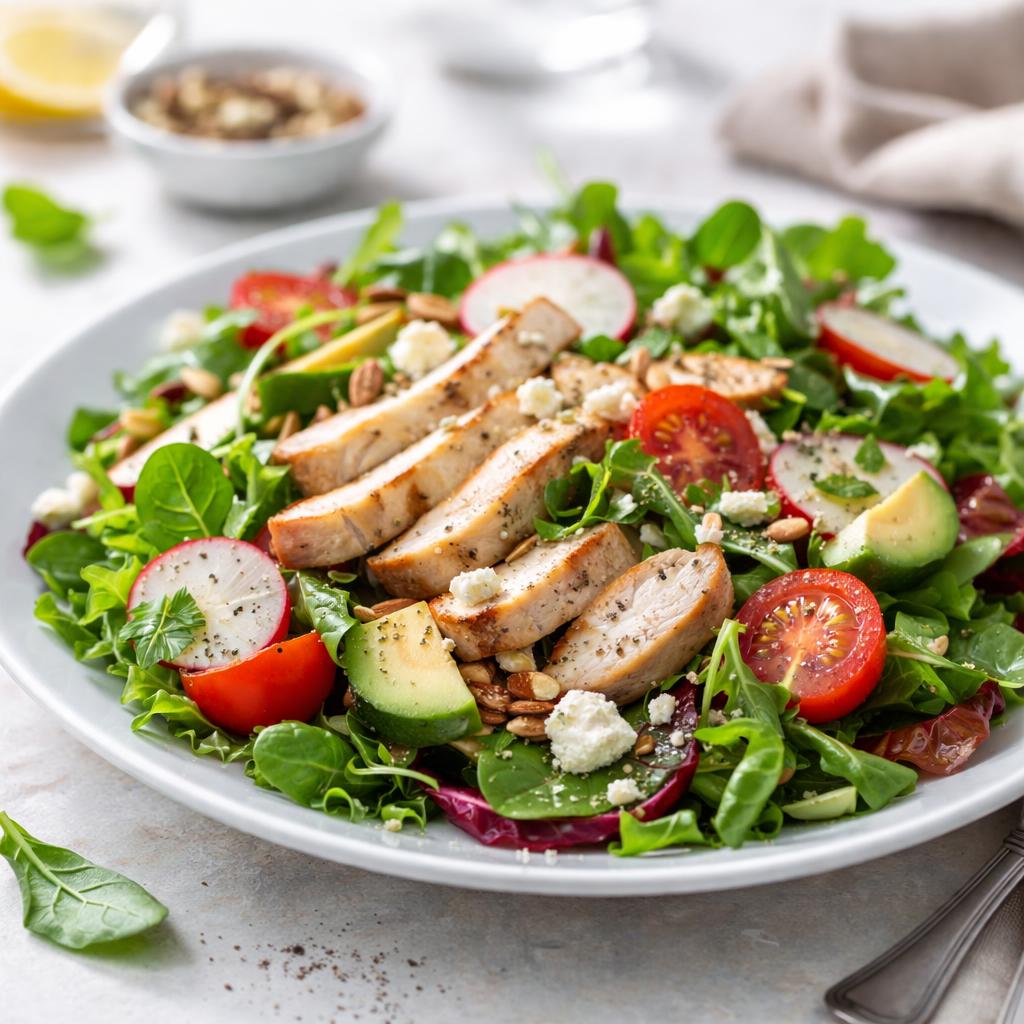
Salad
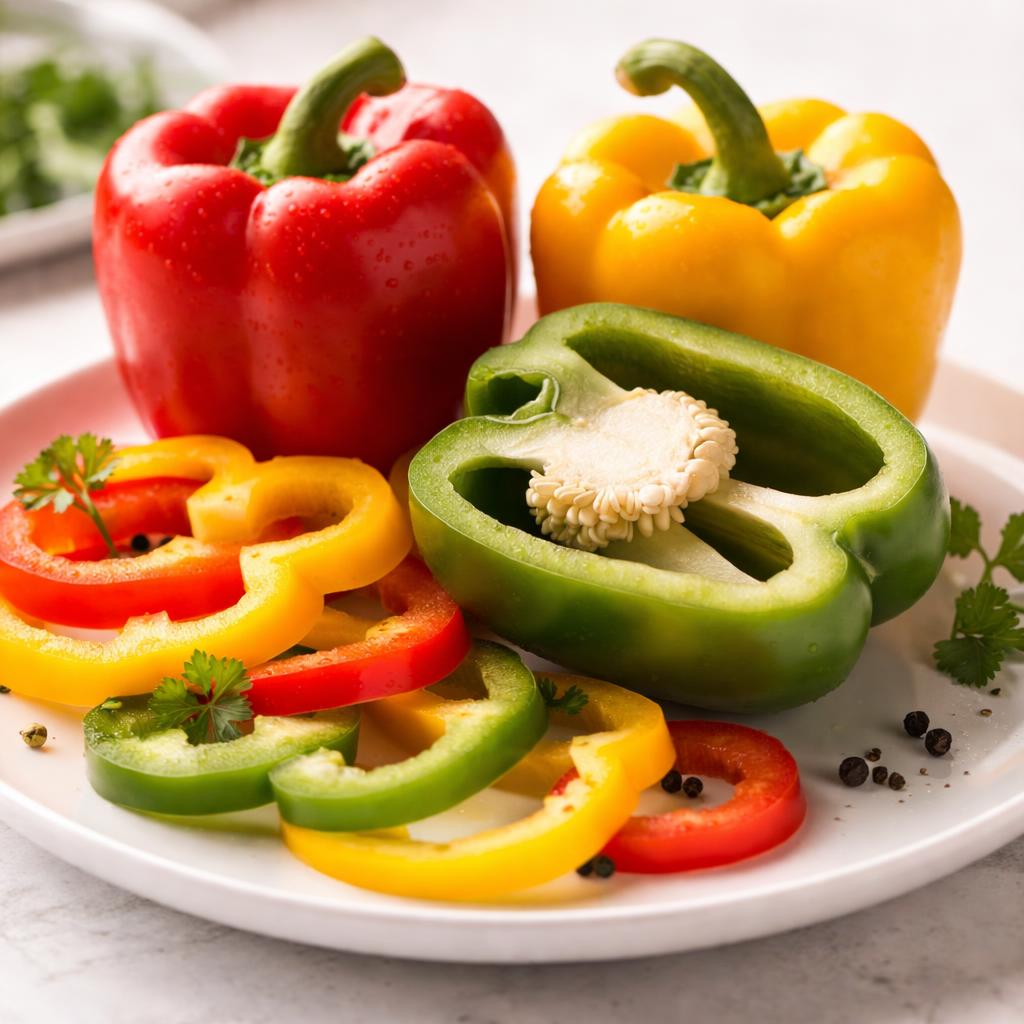
Bell Pepper
🎯 Quick Verdict
Salad and bell pepper are both low-calorie and nutrient-dense options, making them excellent for healthy diets. Salad offers slightly more protein and fiber, while bell peppers are packed with vitamin C and antioxidants. Salad is better for bulking meals and digestion, while bell peppers shine as a vitamin-rich, crunchy snack or addition to dishes.

Smart Nutrition Tracking with SnapCalorie

📊 Nutritional Comparison
Macronutrients
| Nutrient | Food 1 | Food 2 | Winner |
|---|---|---|---|
| Calories | 20 (mixed greens, 85g) | 20 (medium bell pepper, 120g) | − |
| Protein | 2g | 1g | − |
| Carbs | 3g | 5g | − |
| Fat | 0g | 0g | − |
| Fiber | 2g | 1g | − |
Vitamins & Minerals
| Nutrient | Food 1 | Food 2 | Winner |
|---|---|---|---|
| Vitamin C | 9mg | 95mg | − |
| Vitamin A | 1500 IU (from spinach/greens) | 467 IU | − |
| Vitamin K | 60mcg | 4mcg | − |
| Iron | 0.8mg | 0.4mg | − |
🏆 Category Winners
Protein
Salad contains twice the protein content as bell peppers.
Fiber
Salad offers double the fiber per serving.
Calories
Both foods are equally low in calories.
Vitamins
Bell peppers dominate in vitamin C availability, providing 90% more per serving.
🥗 Diet Compatibility
Keto
Food 1: Compatible
Food 2: Compatible
Both are low-carb and fit keto diets.
Vegan
Food 1: Compatible
Food 2: Compatible
Both are plant-based and vegan-friendly.
Gluten Free
Food 1: Compatible
Food 2: Compatible
Neither contains gluten.
Paleo
Food 1: Compatible
Food 2: Compatible
Both are whole foods compatible with paleo diets.
Low Carb
Food 1: Compatible
Food 2: Compatible
Both are naturally low in carbohydrates.
💪 Health Benefits Comparison
Food 1 Benefits
- High in fiber for improved digestion
- Provides vitamin K for bone health
- Offers protein for plant-based diets
Food 2 Benefits
- Rich in vitamin C for immune function
- Low calorie, perfect for weight loss
- Contains antioxidants for cellular health
✅ The Bottom Line
Both salad and bell peppers are excellent choices for a healthy diet. Choose salad if you need higher protein and fiber or prefer it as a base for meals. Opt for bell peppers if you're looking for a flavorful, vitamin C-packed snack or side dish.
Choose Food 1 for: Weight loss, fiber intake, meal bases
Choose Food 2 for: Snacks, vitamin C boost, antioxidant-rich diets


