Salad VS Balsamic Vinegar
A detailed nutritional comparison
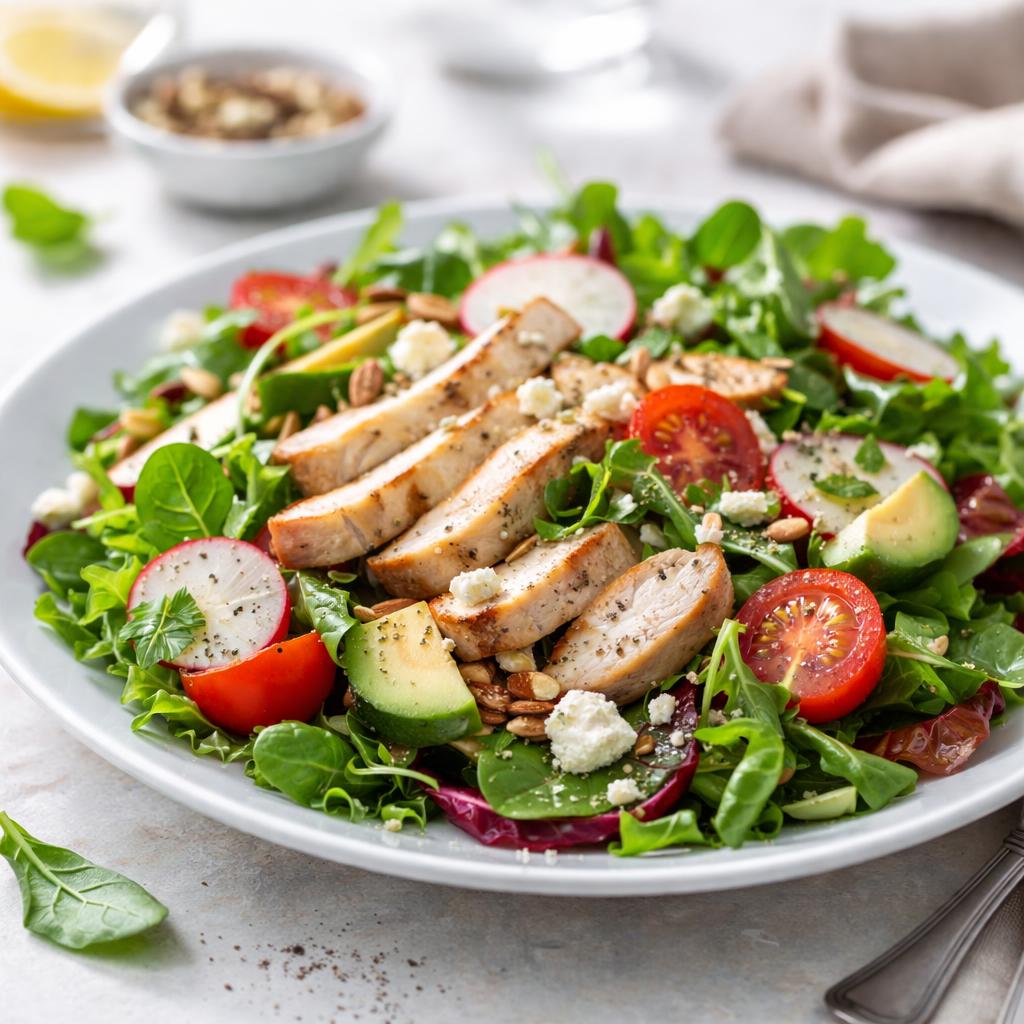
Salad
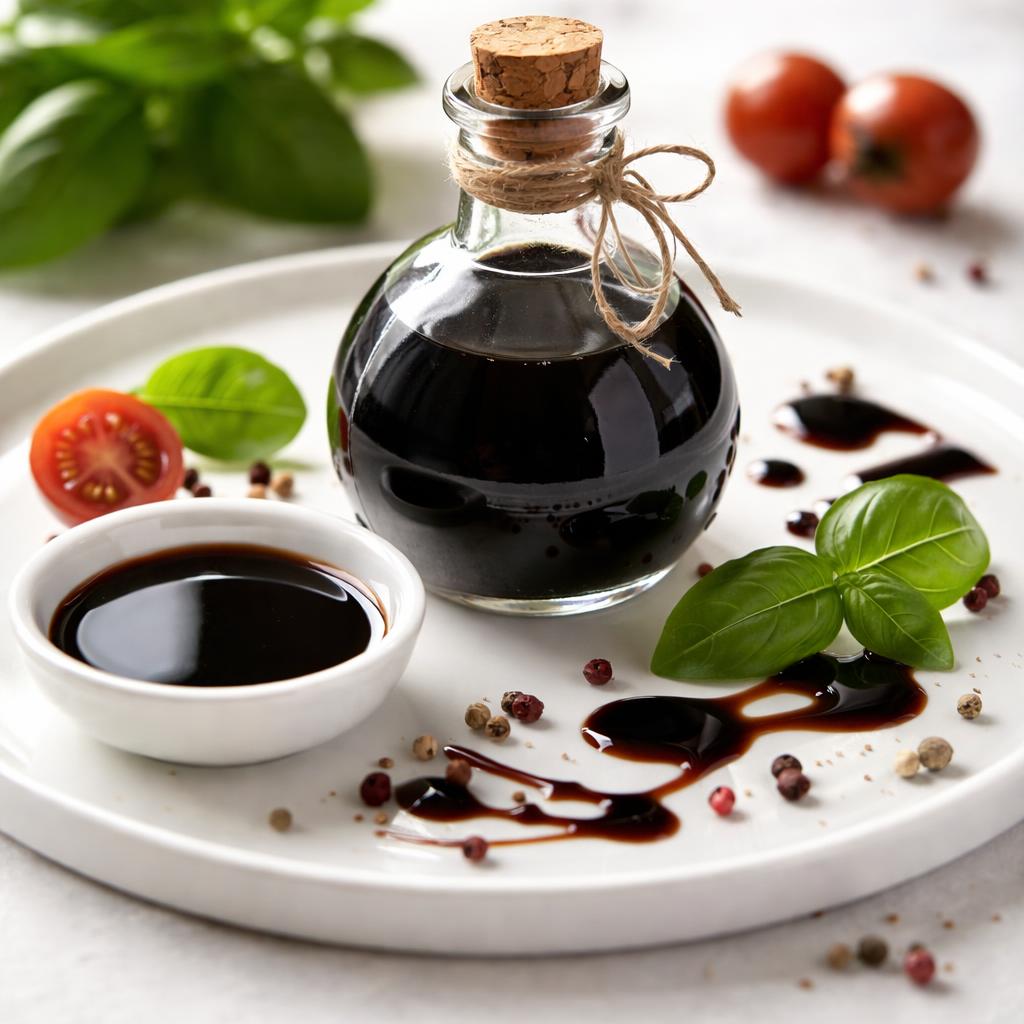
Balsamic Vinegar
🎯 Quick Verdict
Salad is higher in protein, fiber, and essential nutrients, making it a great choice for filling meals and digestion. Balsamic vinegar, while significantly lower in calories, adds flavor and antioxidants, making it ideal as a dressing or enhancement to dishes without extra bulk or macronutrients.

Smart Nutrition Tracking with SnapCalorie

📊 Nutritional Comparison
Macronutrients
| Nutrient | Food 1 | Food 2 | Winner |
|---|---|---|---|
| Calories | 30 | 14 | ✓ |
| Protein | 2g | 0g | ✓ |
| Carbs | 6g | 3g | ✓ |
| Fat | 0.5g | 0g | ✓ |
| Fiber | 1.5g | 0g | ✓ |
Vitamins & Minerals
| Nutrient | Food 1 | Food 2 | Winner |
|---|---|---|---|
| Vitamin A | 750 IU | 0 IU | ✓ |
| Vitamin C | 6mg | 0mg | ✓ |
| Calcium | 20mg | 27mg | ✓ |
| Iron | 0.5mg | 0.4mg | ✓ |
🏆 Category Winners
Protein
Salad contains 2g of protein per serving compared to none in balsamic vinegar.
Fiber
Salad provides 1.5g of fiber, while balsamic vinegar has no fiber.
Calories
Balsamic vinegar has fewer calories at 14 per serving versus 30 in salad.
Vitamins
Salad is richer in Vitamin A and Vitamin C, essential for eye and immune health.
🥗 Diet Compatibility
Keto
Food 1: Compatible
Food 2: Compatible
Both foods are low-carb and fit keto guidelines.
Vegan
Food 1: Compatible
Food 2: Compatible
Both foods are plant-based and vegan-friendly.
Gluten Free
Food 1: Compatible
Food 2: Compatible
Neither food contains gluten ingredients.
Paleo
Food 1: Compatible
Food 2: Compatible
Both align with paleo diet principles due to natural sourcing.
Low Carb
Food 1: Compatible
Food 2: Compatible
Both foods are low in carbohydrates, with salad slightly higher in fiber.
💪 Health Benefits Comparison
Food 1 Benefits
- Rich in fiber to support digestion and gut health
- Contains Vitamin A and Vitamin C for immunity and eye health
- Low-calorie yet nutrient-dense, ideal for weight management
Food 2 Benefits
- Low in calories, great for flavor enhancement without extra bulk
- Contains antioxidants to support cellular health
- May help stabilize blood sugar levels when used moderately
✅ The Bottom Line
If you need a nutrient-packed food to create a filling meal, salad is your go-to for protein, fiber, and vitamins. On the other hand, balsamic vinegar serves as a flavorful, low-calorie addition perfect for enhancing dishes without compromising dietary goals.
Choose Food 1 for: Low-calorie meals, nutrient-rich light dishes, digestion support
Choose Food 2 for: Flavoring, weight management, antioxidant support


