Rye Bread VS Wheat Toast
A detailed nutritional comparison
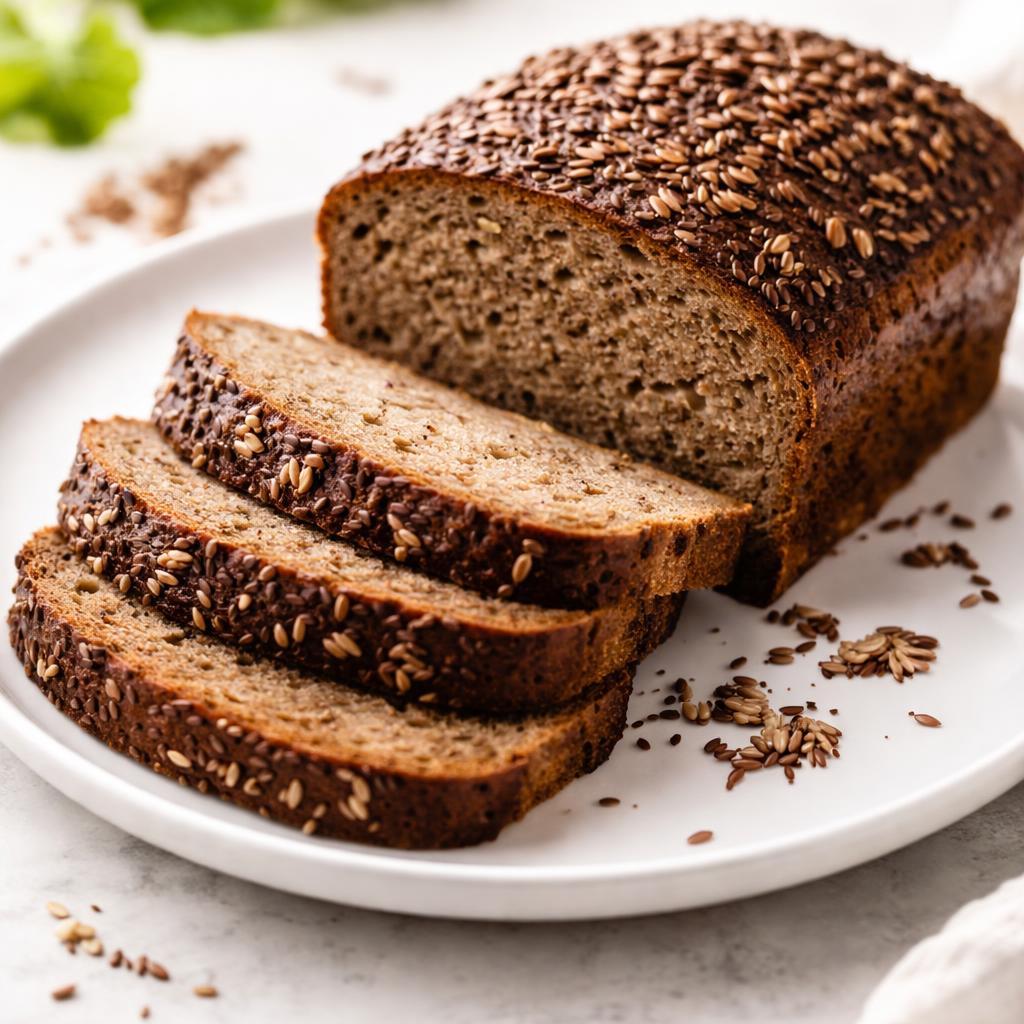
Rye Bread
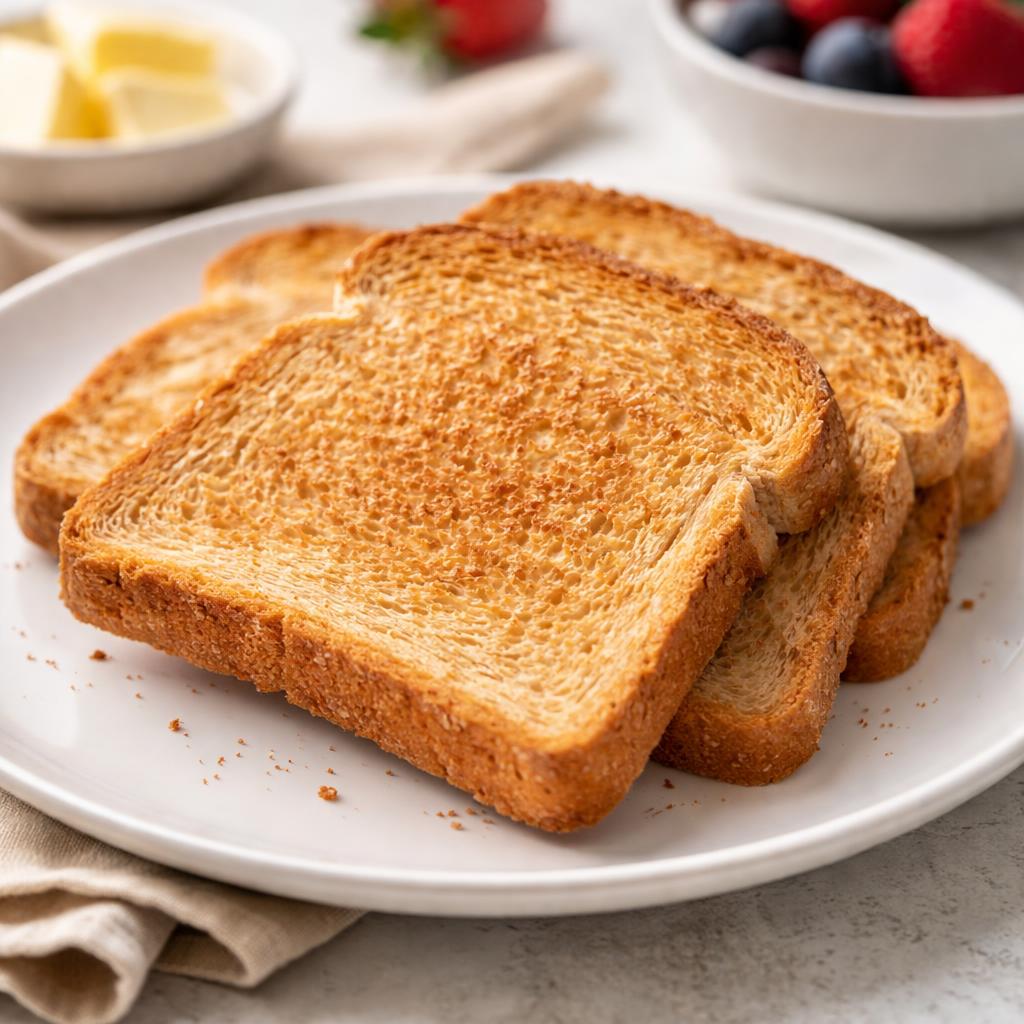
Wheat Toast
🎯 Quick Verdict
Rye bread and wheat toast are both great options, but rye bread stands out for its higher fiber content (almost double) and lower calorie count per slice, making it ideal for weight management and digestive health. Wheat toast, however, provides a versatile taste and slightly more minerals such as iron, suitable for broader dietary preferences.

Smart Nutrition Tracking with SnapCalorie

📊 Nutritional Comparison
Macronutrients
| Nutrient | Food 1 | Food 2 | Winner |
|---|---|---|---|
| Calories | 70 | 85 | ✓ |
| Protein | 2.5g | 2.5g | − |
| Carbs | 15g | 18g | ✓ |
| Fat | 0.5g | 0.7g | ✓ |
| Fiber | 2g | 1g | ✓ |
Vitamins & Minerals
| Nutrient | Food 1 | Food 2 | Winner |
|---|---|---|---|
| Vitamin B6 | 0.05mg | 0.06mg | ✓ |
| Iron | 0.7mg | 1mg | ✓ |
| Magnesium | 20mg | 15mg | ✓ |
🏆 Category Winners
Protein
Both foods provide the same amount of protein per serving (2.5g).
Fiber
Rye bread has 100% more fiber, which aids digestive health.
Calories
Rye bread has 18% fewer calories per slice.
Vitamins
Wheat toast contains slightly more iron and vitamin B6.
🥗 Diet Compatibility
Keto
Food 1: Not Compatible
Food 2: Not Compatible
Both foods are high in carbohydrates and unsuitable for keto diets.
Vegan
Food 1: Compatible
Food 2: Compatible
Both are plant-based products and suitable for vegan diets.
Gluten Free
Food 1: Not Compatible
Food 2: Not Compatible
Both foods contain gluten due to their core grain ingredients.
Paleo
Food 1: Not Compatible
Food 2: Not Compatible
Neither bread aligns with paleo standards as they are processed grain products.
Low-Carb
Food 1: Not Compatible
Food 2: Not Compatible
Both foods contain more than 15g of carbs per serving and are unsuitable for strict low-carb diets.
💪 Health Benefits Comparison
Food 1 Benefits
- High in fiber to support digestive health.
- Lower calorie count helps with weight management.
- Contains magnesium, which aids in muscle and nerve function.
- Sustains energy levels through complex carbs.
Food 2 Benefits
- Rich in iron to support oxygen transport in the blood.
- Contains vitamin B6, which supports brain health.
- Provides quick energy through digestible carbohydrates.
- Versatile and widely enjoyed in various cuisines.
✅ The Bottom Line
Rye bread is the better choice for those focused on fiber intake, lower calorie consumption, and digestive health. Wheat toast, with its slightly better mineral profile, is ideal for individuals looking for versatility and broader vitamin benefits.
Choose Food 1 for: Weight management, digestive health, sustained energy.
Choose Food 2 for: Standard balanced diets, mineral replenishment, convenience.


