Rye Bread VS Rice Crispy
A detailed nutritional comparison
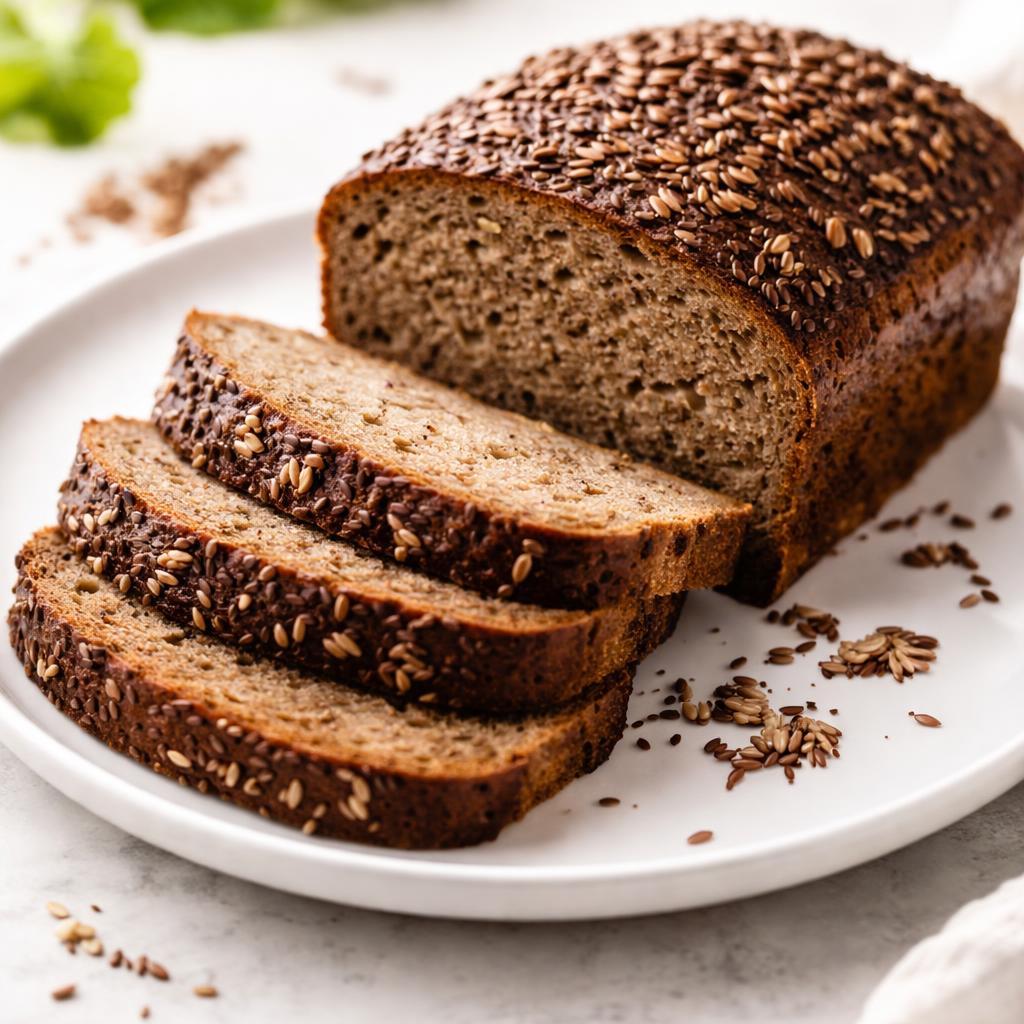
Rye Bread
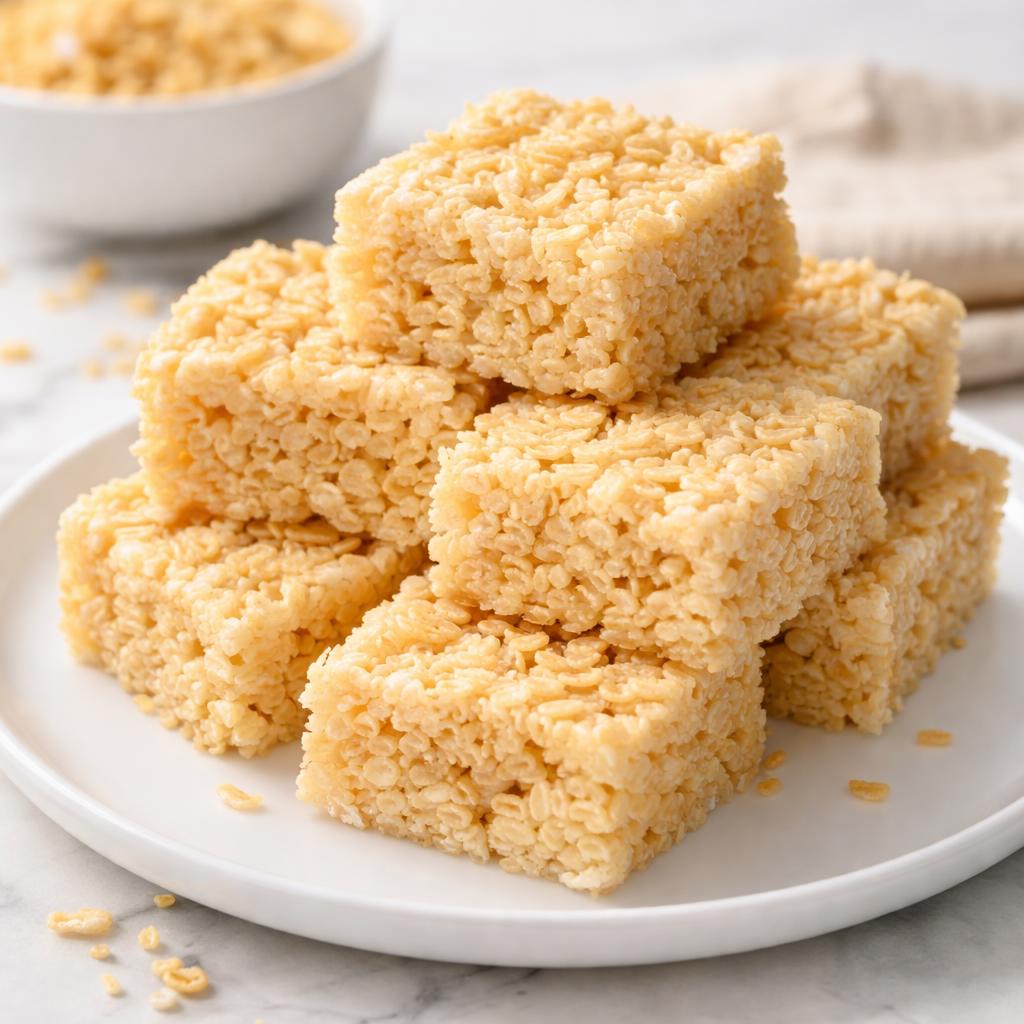
Rice Crispy
🎯 Quick Verdict
Rye bread is nutritionally dense, offering high protein, fiber, and essential micronutrients, making it an excellent choice for digestion and muscle maintenance. Rice crispy is lighter in calories but offers fewer nutrients overall, making it suitable for low-calorie snacks or quick energy boosts. Choose rye bread for sustained energy and nutrition; opt for rice crispy for a simple and lightweight snack option.

Smart Nutrition Tracking with SnapCalorie

📊 Nutritional Comparison
Macronutrients
| Nutrient | Food 1 | Food 2 | Winner |
|---|---|---|---|
| Calories | 83 kcal | 116 kcal | ✓ |
| Protein | 2.7g | 0.8g | ✓ |
| Carbs | 15.5g | 25g | ✓ |
| Fat | 0.8g | 0.2g | ✓ |
| Fiber | 2.5g | 0.2g | ✓ |
Vitamins & Minerals
| Nutrient | Food 1 | Food 2 | Winner |
|---|---|---|---|
| Vitamin B6 | 0.07mg | 0mg | ✓ |
| Folate | 20mcg | 5mcg | ✓ |
| Iron | 0.8mg | 0.1mg | ✓ |
🏆 Category Winners
Protein
Rye bread has significantly more protein (2.7g vs 0.8g).
Fiber
Rye bread contains 2.5g of fiber compared to 0.2g in rice crispy.
Calories
Rice crispy is lower in calories (116 kcal compared to 83 kcal per serving).
🥗 Diet Compatibility
Keto
Food 1: Not Compatible
Food 2: Not Compatible
Both foods are high in carbohydrates.
Vegan
Food 1: Compatible
Food 2: Compatible
Both are plant-based.
Gluten Free
Food 1: Not Compatible
Food 2: Compatible
Rye bread contains gluten, while most rice crispies are gluten-free.
Paleo
Food 1: Not Compatible
Food 2: Not Compatible
Neither aligns with paleo guidelines due to grain content.
Low-Carb
Food 1: Not Compatible
Food 2: Not Compatible
Both foods contain significant carbs.
💪 Health Benefits Comparison
Food 1 Benefits
- High in fiber for improved digestion and gut health
- Provides essential minerals such as iron and folate for energy production
- Supports muscle maintenance with higher protein content
Food 2 Benefits
- Low-calorie option for weight management
- Quick source of carbohydrates for energy boosts
- Gluten-free, making it suitable for individuals with gluten sensitivity
✅ The Bottom Line
Rye bread is the superior choice for nutrition-focused meals, especially for those looking to boost protein, fiber, and micronutrient intake. Rice crispy is better for quick, light snacks and energy boosts without the added density of rye bread. If you're prioritizing long-term health, rye bread wins; for a treat or lightweight option, rice crispy might suit better.
Choose Food 1 for: Digestive health, balanced nutrition, sustained energy
Choose Food 2 for: Quick snacks, lightweight energy boosts, gluten-free diets


