Rye Bread VS Rice Crackers
A detailed nutritional comparison
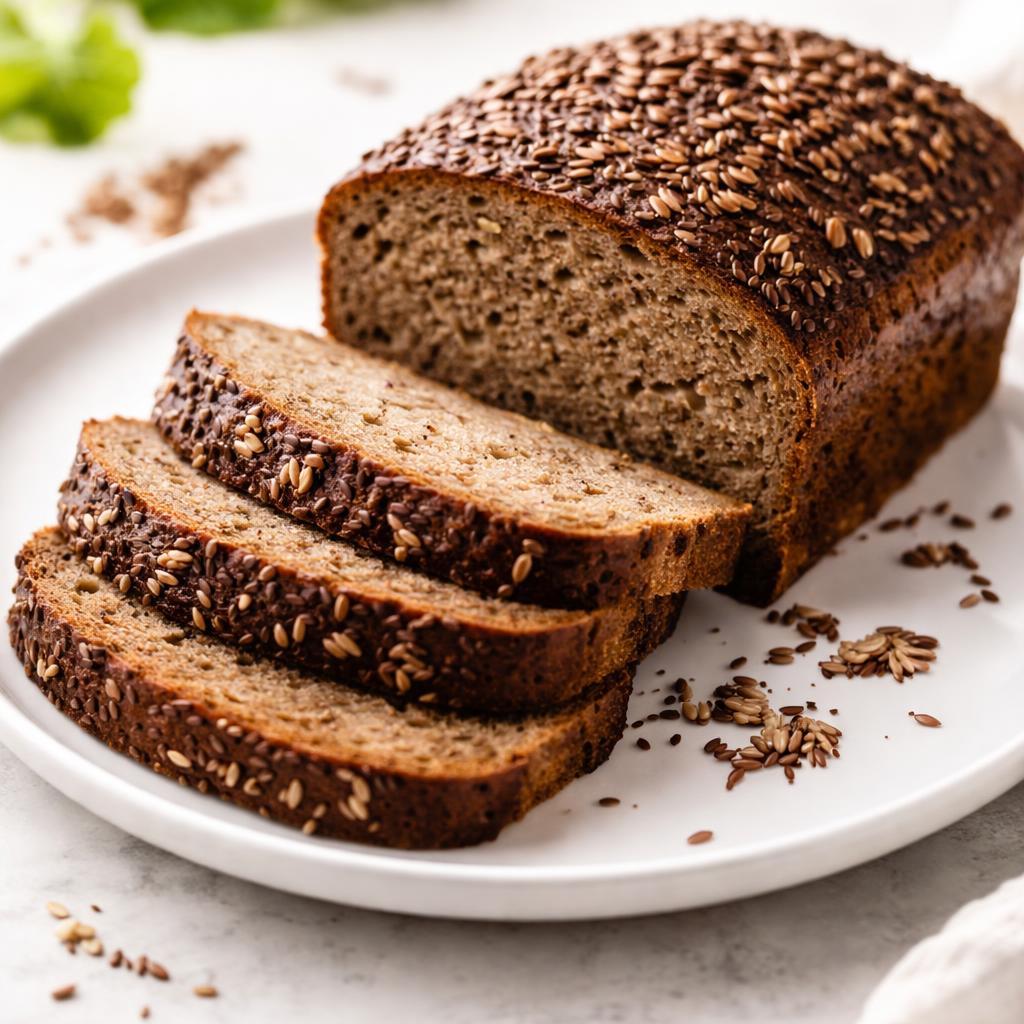
Rye Bread
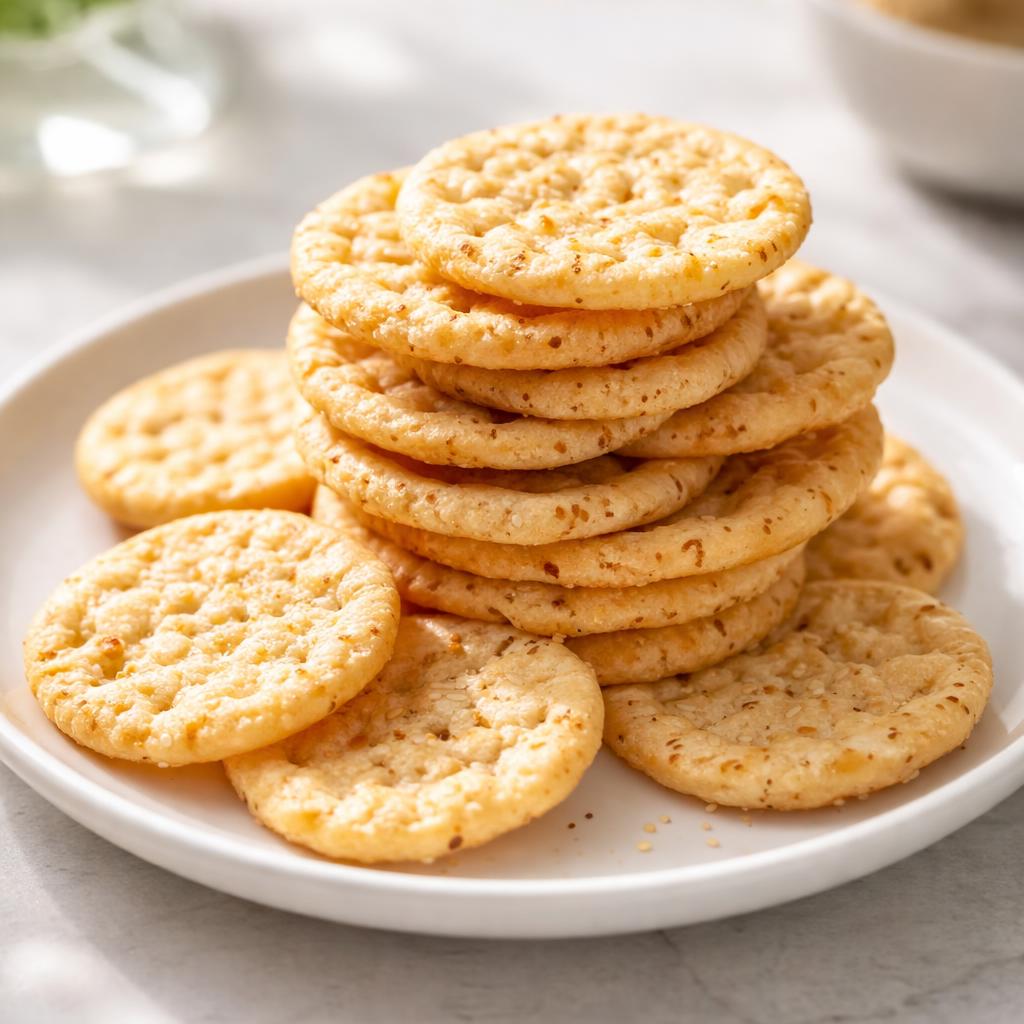
Rice Crackers
🎯 Quick Verdict
Rye bread and rice crackers are both versatile options, but rye bread stands out nutritionally with more protein, fiber, and micronutrients per serving. Rice crackers are lower in calories and may be a better option for light snacking or those looking for a lower-calorie alternative. Rye bread is best for more nutrient-dense meals, while rice crackers work for low-calorie snacking or convenience on the go.

Smart Nutrition Tracking with SnapCalorie

📊 Nutritional Comparison
Macronutrients
| Nutrient | Food 1 | Food 2 | Winner |
|---|---|---|---|
| Calories | 83 (per slice, ~28g) | 60 (per 10 crackers, ~20g) | ✓ |
| Protein | 2.7g | 1.0g | ✓ |
| Carbs | 15g | 13g | ✓ |
| Fat | 0.3g | 0.4g | ✓ |
| Fiber | 1.9g | 0.2g | ✓ |
Vitamins & Minerals
| Nutrient | Food 1 | Food 2 | Winner |
|---|---|---|---|
| Vitamin D | 0mcg | 0mcg | − |
| Calcium | 12mg | 2mg | ✓ |
| Iron | 0.7mg | 0.1mg | ✓ |
🏆 Category Winners
Protein
Rye bread has nearly 3x the protein compared to rice crackers per serving.
Fiber
Rye bread provides 1.9g of fiber versus only 0.2g in rice crackers.
Calories
Rice crackers are lower in calories, making them a lighter snack option.
Vitamins
Rye bread contains more calcium and iron per serving for better mineral intake.
🥗 Diet Compatibility
Keto
Food 1: Not Compatible
Food 2: Not Compatible
Both are too high in carbohydrates for a ketogenic diet.
Vegan
Food 1: Compatible
Food 2: Compatible
Both are plant-based and contain no animal products.
Gluten Free
Food 1: Not Compatible
Food 2: Compatible
Rye bread contains gluten, while most rice crackers are gluten-free.
Paleo
Food 1: Not Compatible
Food 2: Not Compatible
Neither fits paleo guidelines due to processed grains.
Low-Carb
Food 1: Not Compatible
Food 2: Compatible
Rice crackers are lower in carbs, while rye bread is relatively high-carb.
💪 Health Benefits Comparison
Food 1 Benefits
- Rich in fiber for improved digestion
- Good source of protein to support muscle health
- Provides minerals like iron and calcium for bone and blood health
- Contains complex carbs for sustained energy
Food 2 Benefits
- Low in calories, ideal for weight management
- Convenient and portable for quick snacking
- Gluten-free alternative for those with sensitivities
- Light in fat with minimal saturated fat content
✅ The Bottom Line
Rye bread is the better option nutritionally for meals, especially if you need fiber and minerals. Choose rice crackers for a lighter, lower-calorie snack or if you are gluten-sensitive. Both can be part of a healthy diet depending on your goals.
Choose Food 1 for: Meal bases, nutrient density, fiber-rich diets
Choose Food 2 for: Snacking, weight-conscious diets, gluten-free needs


