Rye Bread VS Ciabatta Bread
A detailed nutritional comparison
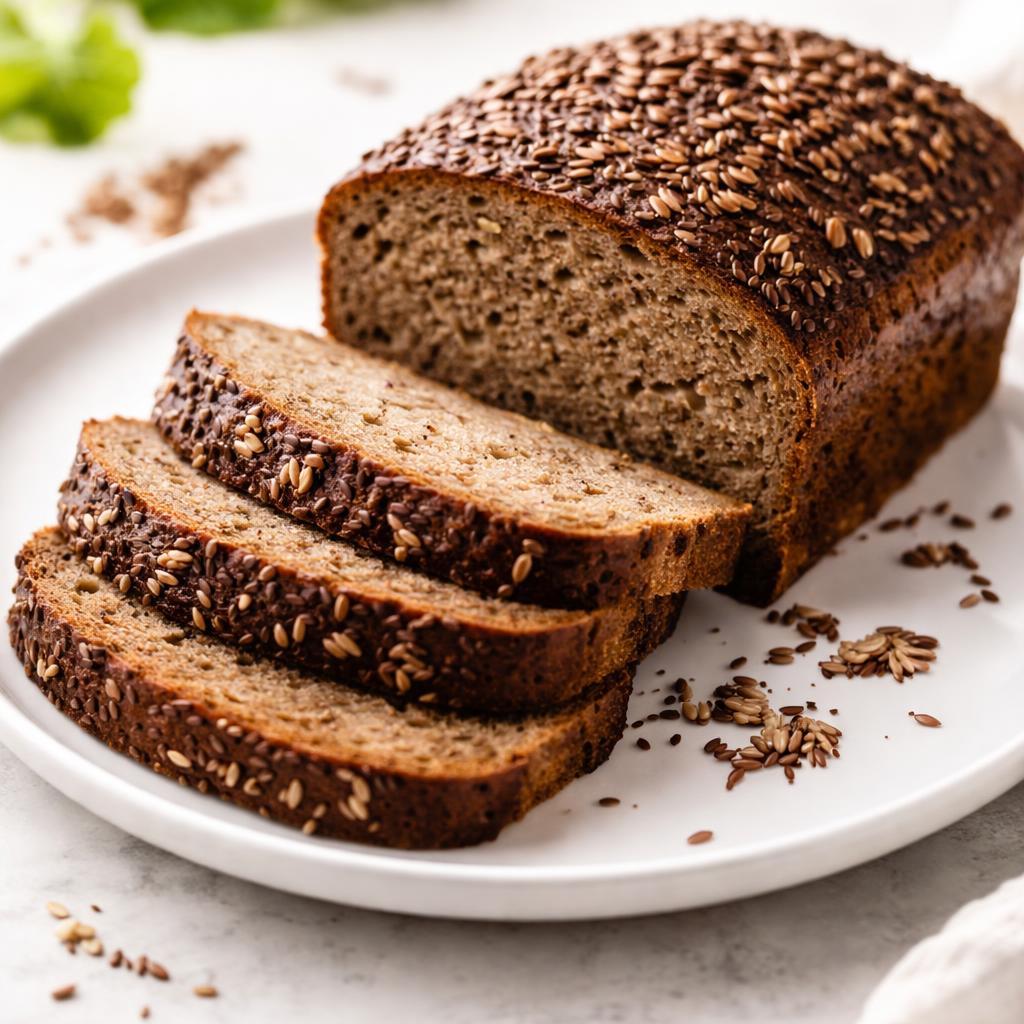
Rye Bread
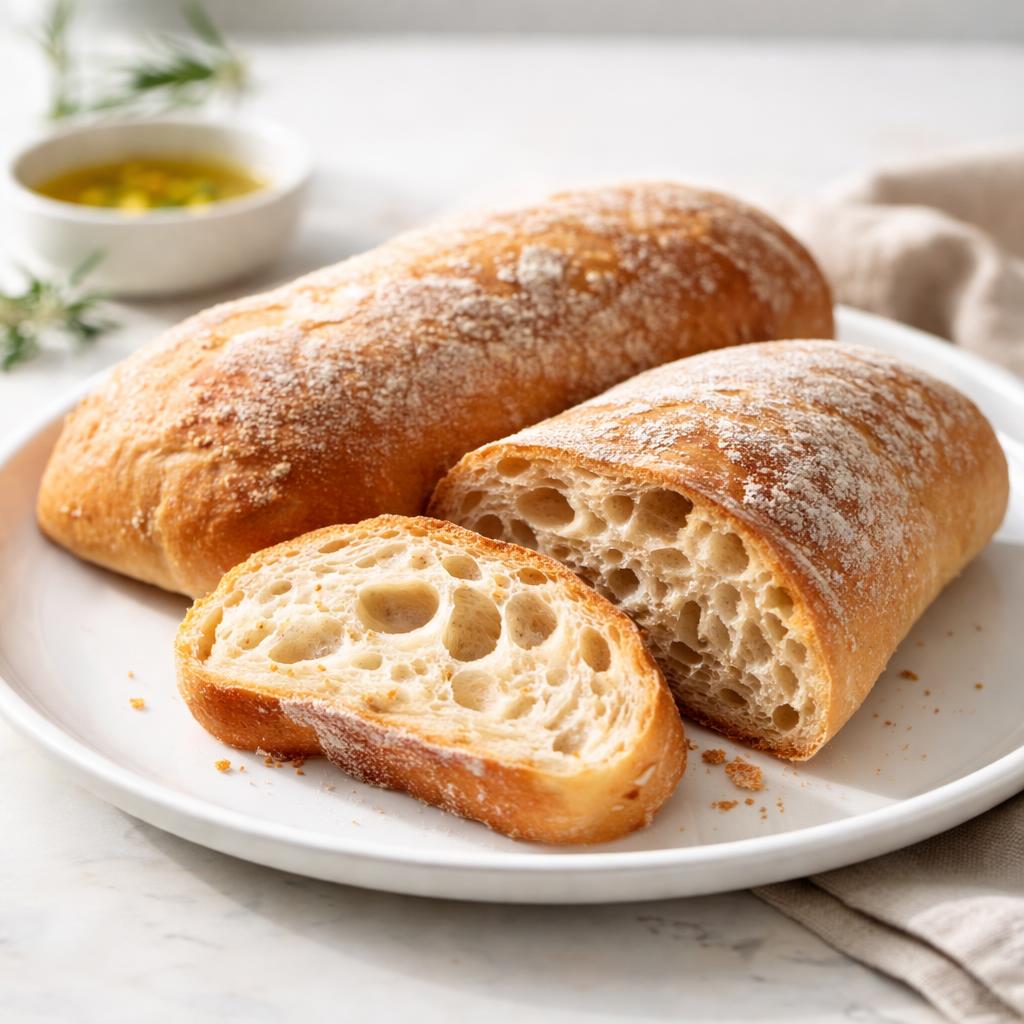
Ciabatta Bread
🎯 Quick Verdict
Rye bread is nutritionally superior to ciabatta bread for most diet goals due to its higher fiber content, lower calorie count, and denser nutritional profile. Ciabatta bread, while lighter and fluffier, offers lower fiber and slightly higher calories but pairs well for energy needs. Rye bread is best for digestion and sustained energy, while ciabatta suits light meals and sandwiches.

Smart Nutrition Tracking with SnapCalorie

📊 Nutritional Comparison
Macronutrients
| Nutrient | Food 1 | Food 2 | Winner |
|---|---|---|---|
| Calories | 83 (per slice, ~30g) | 120 (per slice, ~40g) | − |
| Protein | 2.7g | 2.7g | − |
| Carbs | 15.5g | 23g | − |
| Fat | 0.8g | 2.5g | − |
| Fiber | 1.9g | 0.6g | − |
Vitamins & Minerals
| Nutrient | Food 1 | Food 2 | Winner |
|---|---|---|---|
| Vitamin B6 | 0.04mg | 0.02mg | − |
| Magnesium | 15mg | 8mg | − |
| Iron | 0.7mg | 0.3mg | − |
🏆 Category Winners
Protein
Both rye and ciabatta bread provide 2.7g of protein per slice.
Fiber
Rye bread has over three times as much fiber per slice (1.9g vs 0.6g).
Calories
Rye bread contains about 30% fewer calories per slice than ciabatta bread.
Vitamins
Rye bread is richer in magnesium, iron, and vitamin B6 compared to ciabatta bread.
🥗 Diet Compatibility
Keto
Food 1: Unknown
Food 2: Unknown
Both are high in carbs and unsuitable for a keto diet.
Vegan
Food 1: Unknown
Food 2: Unknown
Neither bread contains animal products and fits vegan diets.
Gluten Free
Food 1: Unknown
Food 2: Unknown
Both breads contain gluten.
Paleo
Food 1: Unknown
Food 2: Unknown
Neither fits paleo guidelines due to grains.
Low Carb
Food 1: Unknown
Food 2: Unknown
Rye bread is lower in carbs (15.5g vs 23g per slice).
💪 Health Benefits Comparison
Food 1 Benefits
Food 2 Benefits
✅ The Bottom Line
Rye bread is a better choice for those prioritizing digestion, sustained energy, or weight loss due to its higher fiber and lower calorie content. Ciabatta bread is ideal for quick snacks or when softer textures and higher energy are desired.


