Rye Bread VS Bread Bun
A detailed nutritional comparison
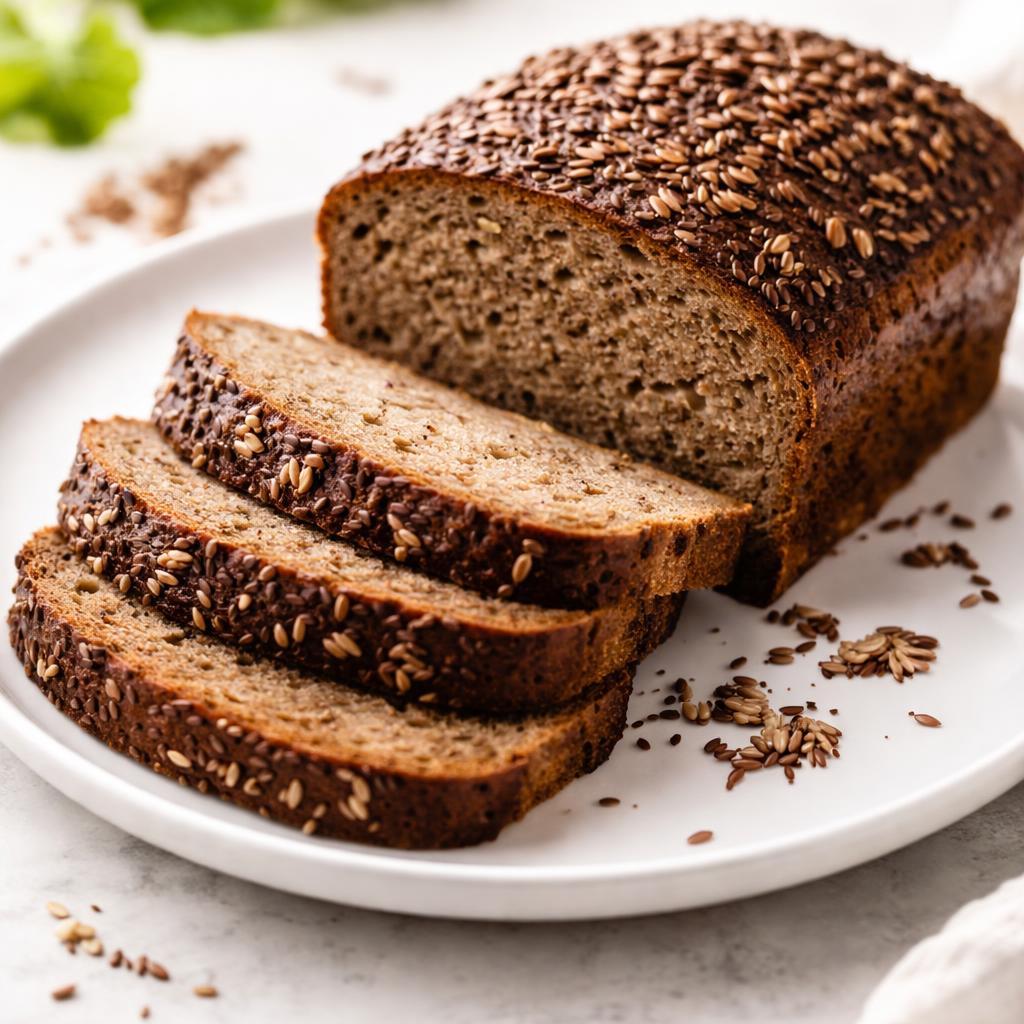
Rye Bread
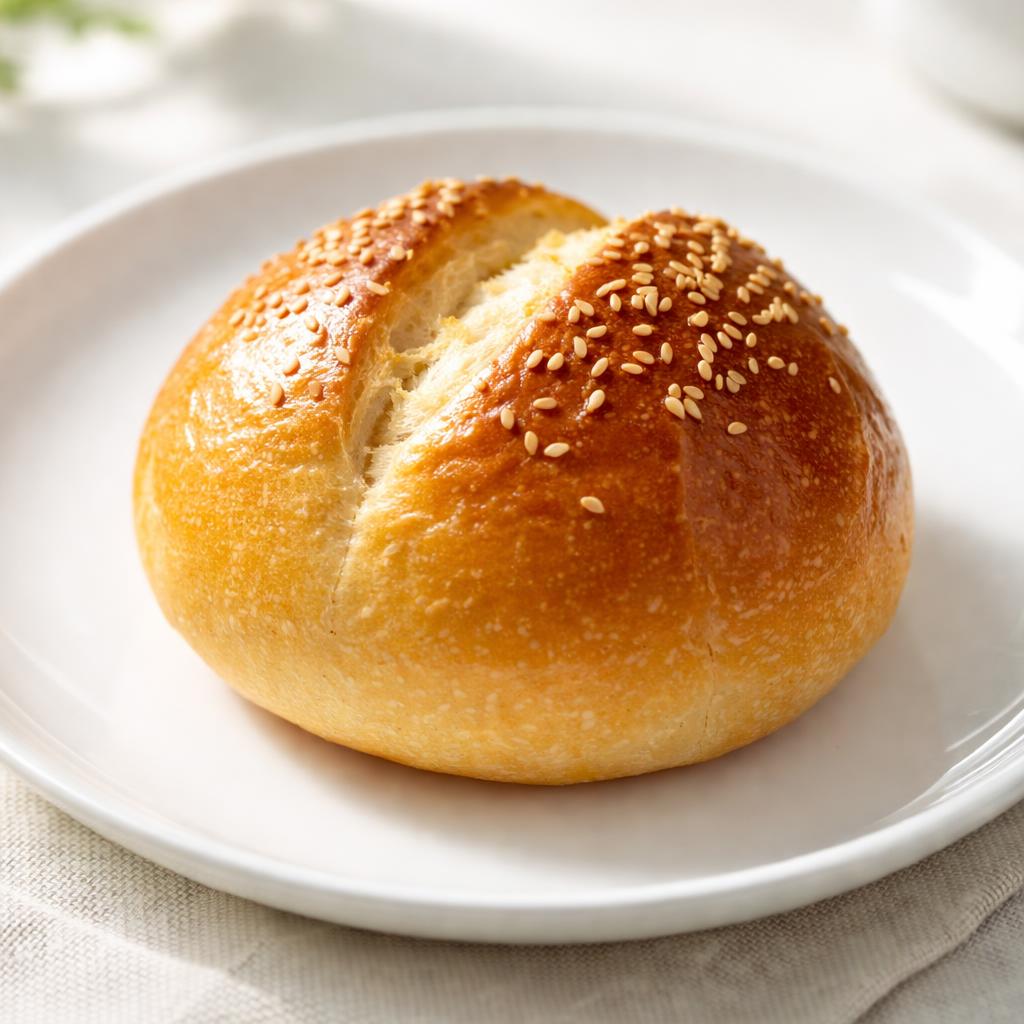
Bread Bun
🎯 Quick Verdict
Rye bread is generally more nutrient-dense than bread buns, offering higher protein, fiber, and fewer calories per serving. Bread buns, however, tend to have a softer texture and may offer slightly more carbs, making them ideal for quick energy. Rye bread is better suited for health-conscious diets, while bread buns excel in convenience and palatability for sandwiches or burgers.

Smart Nutrition Tracking with SnapCalorie

📊 Nutritional Comparison
Macronutrients
| Nutrient | Food 1 | Food 2 | Winner |
|---|---|---|---|
| Calories | − | ||
| Protein | − | ||
| Carbs | − | ||
| Fat | − | ||
| Fiber | − |
Vitamins & Minerals
| Nutrient | Food 1 | Food 2 | Winner |
|---|---|---|---|
| Vitamin B1 (Thiamin) | − | ||
| Folate | − | ||
| Iron | − | ||
| Magnesium | − |
🏆 Category Winners
Protein
Rye bread contains slightly higher protein per serving, supporting muscle health.
Fiber
Rye bread provides over twice as much fiber as bread buns, aiding digestion.
Calories
Rye bread has ~30% fewer calories per serving, making it ideal for weight-conscious diets.
Vitamins
Bread buns have higher amounts of certain micronutrients such as folate and iron.
🥗 Diet Compatibility
Keto
Food 1: Unknown
Food 2: Unknown
Both are too high in carbohydrates for a keto diet.
Vegan
Food 1: Unknown
Food 2: Unknown
Both are typically plant-based and free of animal products.
Gluten Free
Food 1: Unknown
Food 2: Unknown
Both contain gluten and are unsuitable for gluten-free diets.
Paleo
Food 1: Unknown
Food 2: Unknown
Neither fits the grain-free, whole-food focus of the paleo diet.
Low-Carb
Food 1: Unknown
Food 2: Unknown
Rye bread has fewer carbs per serving, but neither is ideal for strict low-carb diets.
💪 Health Benefits Comparison
Food 1 Benefits
Food 2 Benefits
✅ The Bottom Line
Choose rye bread if your priority is nutrient density and digestion support, while bread buns are ideal for convenience and balanced energy. Rye bread excels in fiber and lower calorie count but has a denser texture that might not suit all preferences. Bread buns provide slightly more vitamins and iron, making them good for sandwiches or burgers.


