Rolled Oats VS Whole Grain Bread
A detailed nutritional comparison
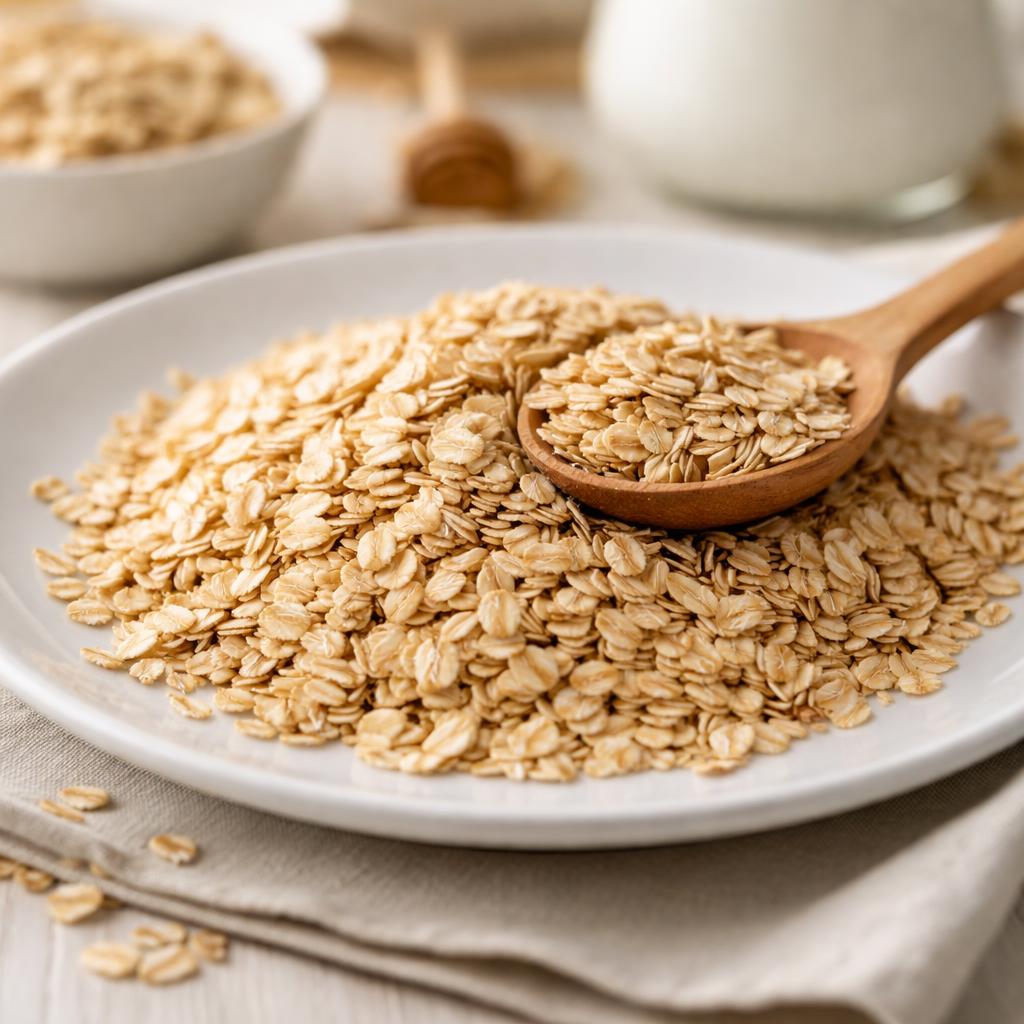
Rolled Oats
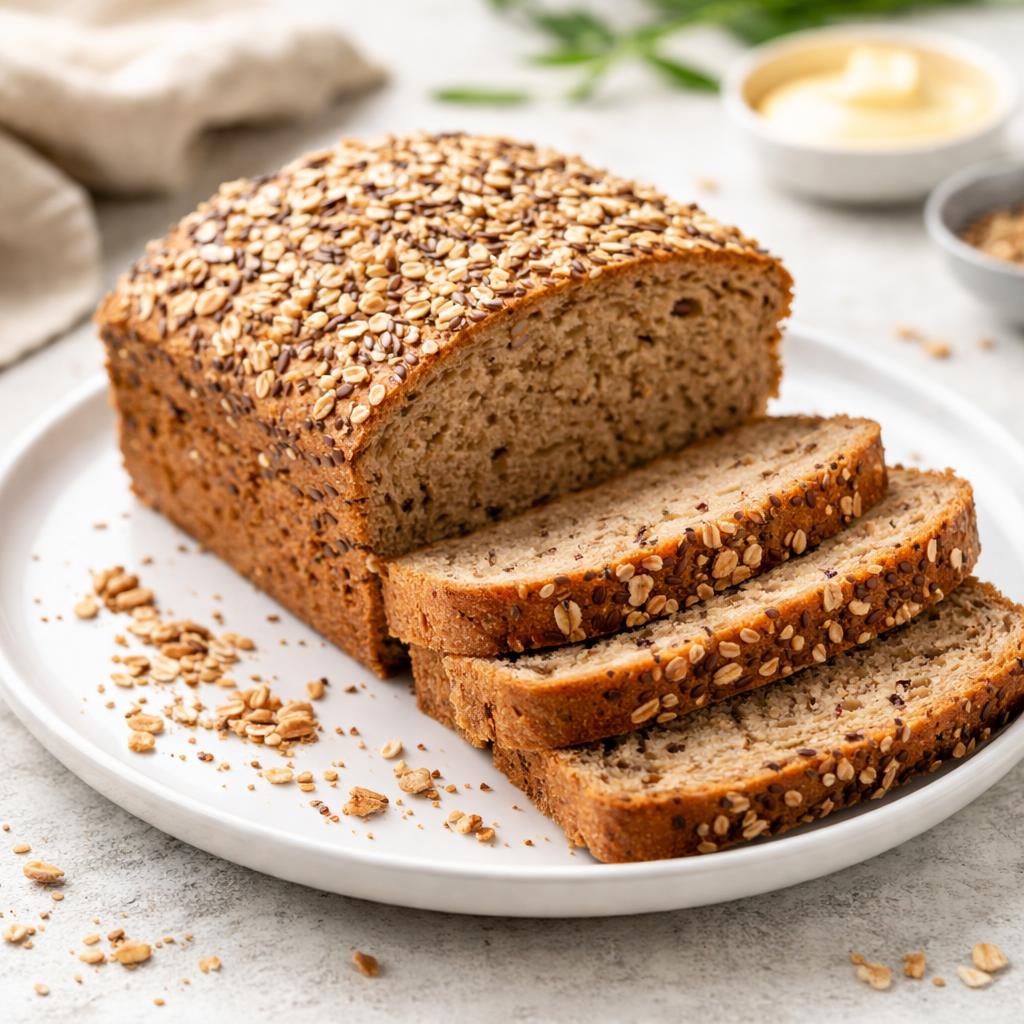
Whole Grain Bread
🎯 Quick Verdict
Rolled oats and whole grain bread both offer excellent nutritional value but differ in macronutrient composition. Rolled oats are lower in calories and higher in vitamins, making them a top choice for nutrient-dense breakfasts and weight management. Whole grain bread offers slightly more protein and is better for sandwiches or quick meals, and supports heart health due to its whole grain content.

Smart Nutrition Tracking with SnapCalorie

📊 Nutritional Comparison
Macronutrients
| Nutrient | Food 1 | Food 2 | Winner |
|---|---|---|---|
| Calories | 154 | 200 | ✓ |
| Protein | 5.5g | 7g | ✓ |
| Carbs | 27g | 34g | ✓ |
| Fat | 2.6g | 1.7g | ✓ |
| Fiber | 4g | 4g | − |
Vitamins & Minerals
| Nutrient | Food 1 | Food 2 | Winner |
|---|---|---|---|
| Vitamin D | 0mcg | 0mcg | − |
| Calcium | 20mg | 150mg | ✓ |
| Iron | 1.7mg | 2mg | ✓ |
🏆 Category Winners
Protein
Whole grain bread has 27% more protein per serving, supporting muscle health.
Fiber
Both foods provide 4g of fiber per serving, promoting digestion.
Calories
Rolled oats have 23% fewer calories per serving, ideal for weight management.
Vitamins
Whole grain bread is higher in calcium and iron, supporting bone health.
🥗 Diet Compatibility
Keto
Food 1: Not Compatible
Food 2: Not Compatible
Both foods are high-carb, unsuitable for keto diets.
Vegan
Food 1: Compatible
Food 2: Compatible
Both are plant-based foods.
Gluten Free
Food 1: Compatible
Food 2: Not Compatible
Rolled oats can be gluten-free, while whole grain bread contains gluten unless specified otherwise.
Paleo
Food 1: Not Compatible
Food 2: Not Compatible
Grains are not allowed on a paleo diet.
Low-Carb
Food 1: Not Compatible
Food 2: Not Compatible
Both foods have relatively high carbohydrate content.
💪 Health Benefits Comparison
Food 1 Benefits
- Rich in beta-glucans for heart health and cholesterol management
- Supports weight loss and sustained energy due to its low glycemic index
- Provides a good source of fiber for digestive health
Food 2 Benefits
- Contains whole grains to promote heart health
- Good source of iron to assist with oxygen transport and energy production
- Rich in complex carbs for sustained energy throughout the day
✅ The Bottom Line
Rolled oats are better for nutrient-dense, low-calorie meals, particularly breakfasts like oatmeal or smoothies. Whole grain bread is a convenient option for quick meals while providing higher protein and calcium content. Choose oats for weight management and sustained energy, and bread for versatility and heart health support.
Choose Food 1 for: Weight management, hearty breakfasts, gut health
Choose Food 2 for: Quick meals, protein support, heart health


