Rolled Oats VS Wheat Toast
A detailed nutritional comparison
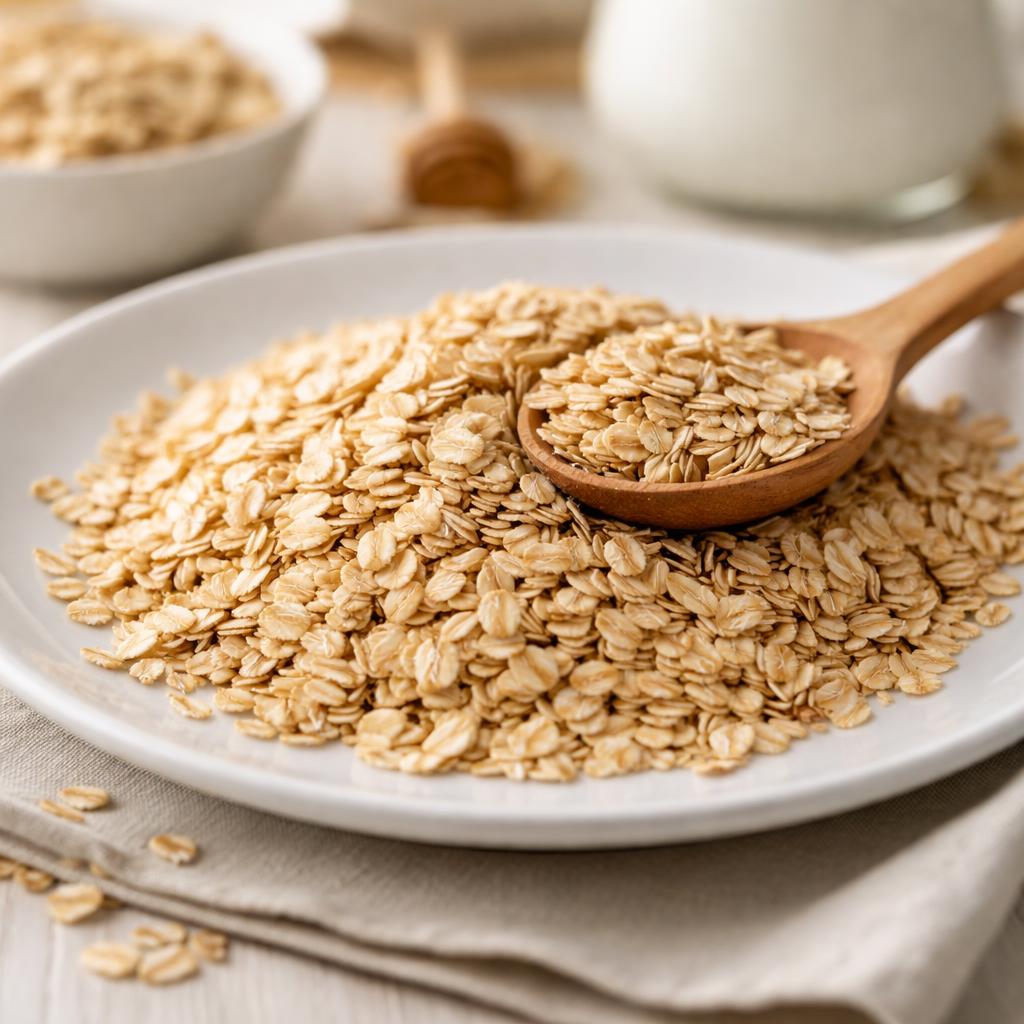
Rolled Oats
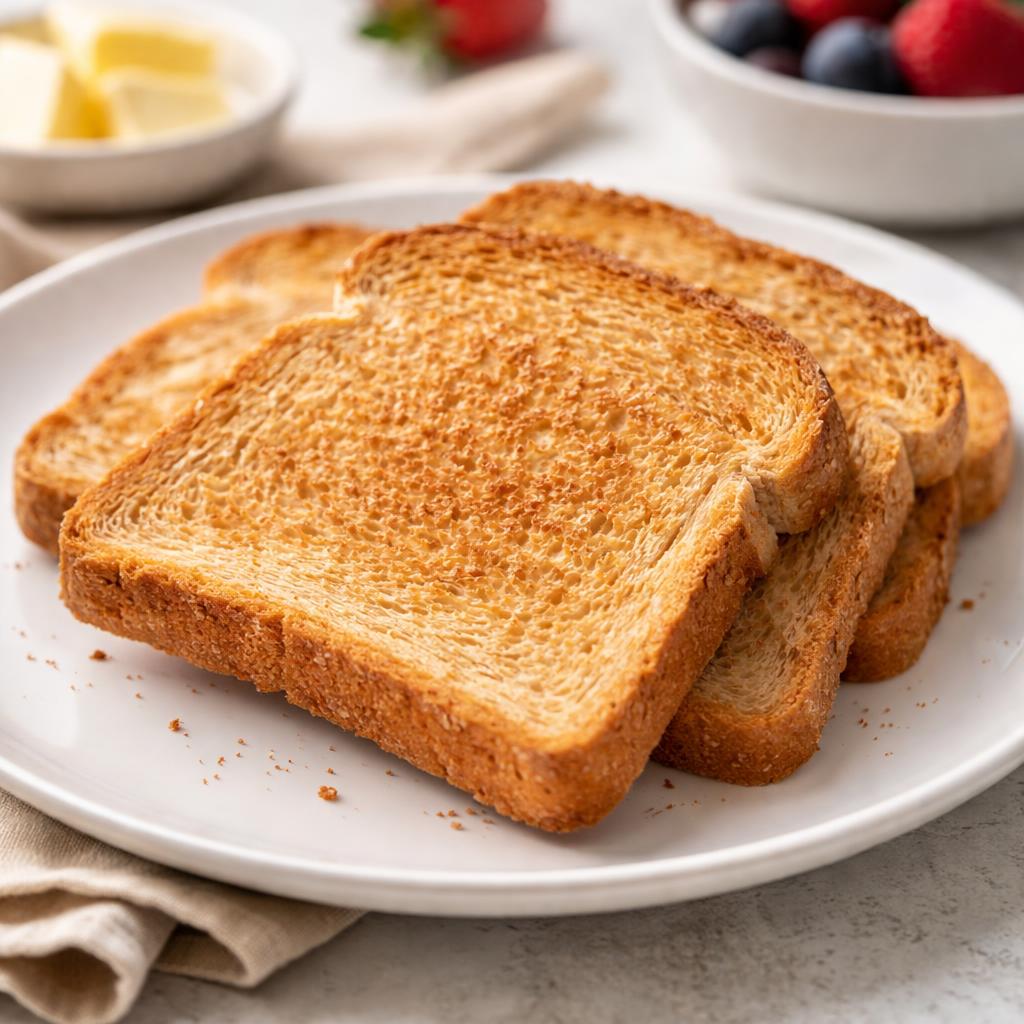
Wheat Toast
🎯 Quick Verdict
Rolled oats and wheat toast are both healthy choices, but rolled oats have a lower calorie count, higher protein, and significantly more fiber, making them ideal for sustained energy and digestion. Wheat toast, however, can be a convenient option for quick meals and provides more versatility for toppings and sandwiches.

Smart Nutrition Tracking with SnapCalorie

📊 Nutritional Comparison
Macronutrients
| Nutrient | Food 1 | Food 2 | Winner |
|---|---|---|---|
| Calories | 154 per ½ cup (dry) | 90 per slice | ✓ |
| Protein | 5g | 3.5g | ✓ |
| Carbs | 27g | 18g | ✓ |
| Fat | 3g | 0.7g | ✓ |
| Fiber | 4g | 1.2g | ✓ |
Vitamins & Minerals
| Nutrient | Food 1 | Food 2 | Winner |
|---|---|---|---|
| Vitamin B1 (Thiamine) | 0.1mg | 0.14mg | ✓ |
| Vitamin B6 | 0.1mg | 0.03mg | ✓ |
| Iron | 1.7mg | 0.9mg | ✓ |
| Magnesium | 70mg | 23mg | ✓ |
🏆 Category Winners
Protein
Rolled oats have 43% more protein per serving than wheat toast.
Fiber
Rolled oats are rich in fiber, offering more than 3 times the fiber of wheat toast.
Calories
Food2 has fewer calories per serving overall.
Vitamins
Rolled oats provide more beneficial micronutrients like iron and magnesium.
🥗 Diet Compatibility
Keto
Food 1: Not Compatible
Food 2: Not Compatible
Both are high-carb foods unsuitable for keto diets.
Vegan
Food 1: Compatible
Food 2: Compatible
Both are plant-based options.
Gluten Free
Food 1: Compatible if certified gluten-free
Food 2: Not Compatible
Food2 contains gluten; food1 may need verification.
Paleo
Food 1: Not Compatible
Food 2: Not Compatible
Both are grain products, which are excluded on paleo diets.
Low-Carb
Food 1: Not Compatible
Food 2: Not Compatible
Both foods are relatively high in carbohydrates.
💪 Health Benefits Comparison
Food 1 Benefits
- High fiber for improved digestion and heart health
- Provides slow-digesting carbs for sustained energy
- Rich in iron and magnesium for muscle and nerve function
- Contains plant-based protein for muscle repair
Food 2 Benefits
- Lower in total fats for maintaining heart health
- Offers thiamine (Vitamin B1) for energy metabolism
- Easy to pair with nutrient-dense toppings (like avocado or nut butter)
- Provides quick carbohydrates for immediate energy
✅ The Bottom Line
Rolled oats are the better choice for nutrient density, especially for energy, digestion, and protein needs. Wheat toast, while less nutrient-dense, can still be a convenient base for balanced meals when paired with healthy toppings. Choose rolled oats for a hearty breakfast or weight loss; go with wheat toast for quick meals or light snacks.
Choose Food 1 for: Weight loss, high-fiber diets, meal prep, sustained energy
Choose Food 2 for: Quick meals, light snacks, versatility in recipes


