Rolled Oats VS Cooked Oats
A detailed nutritional comparison
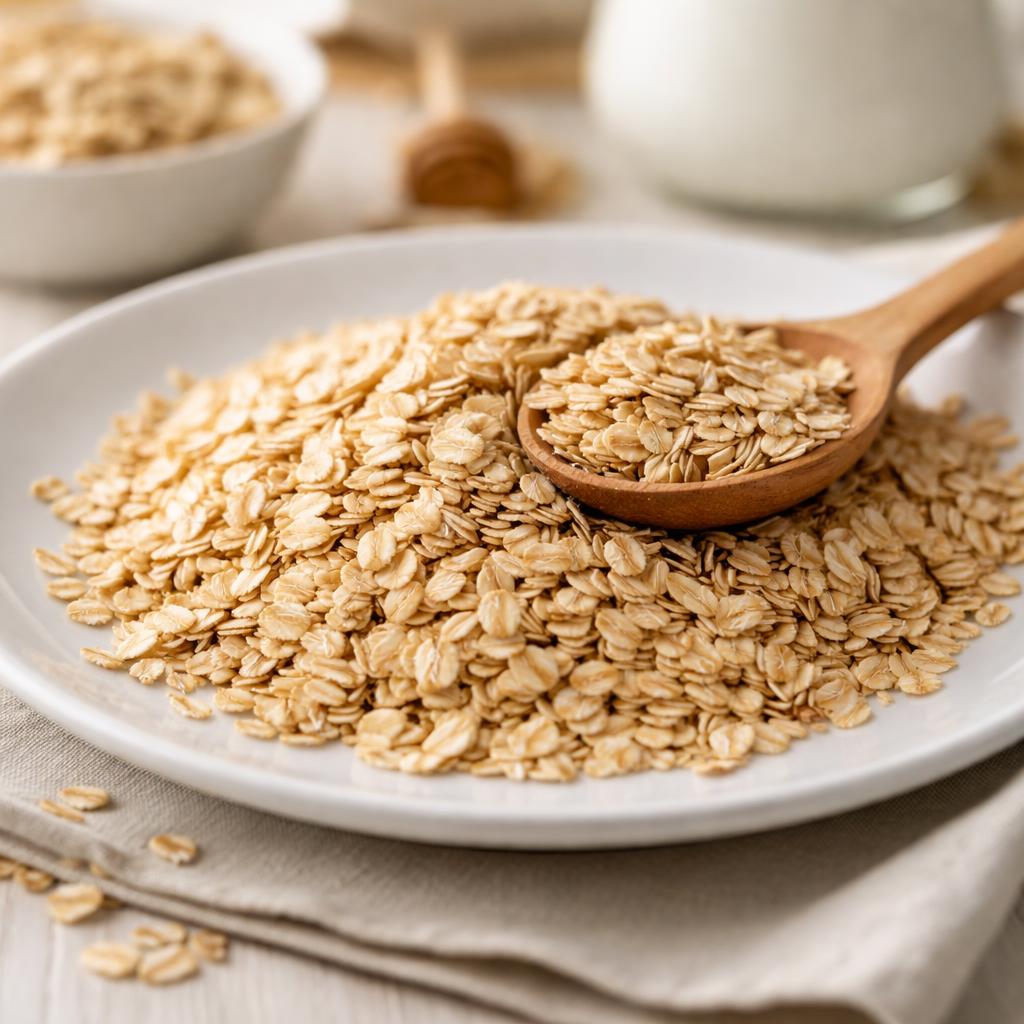
Rolled Oats
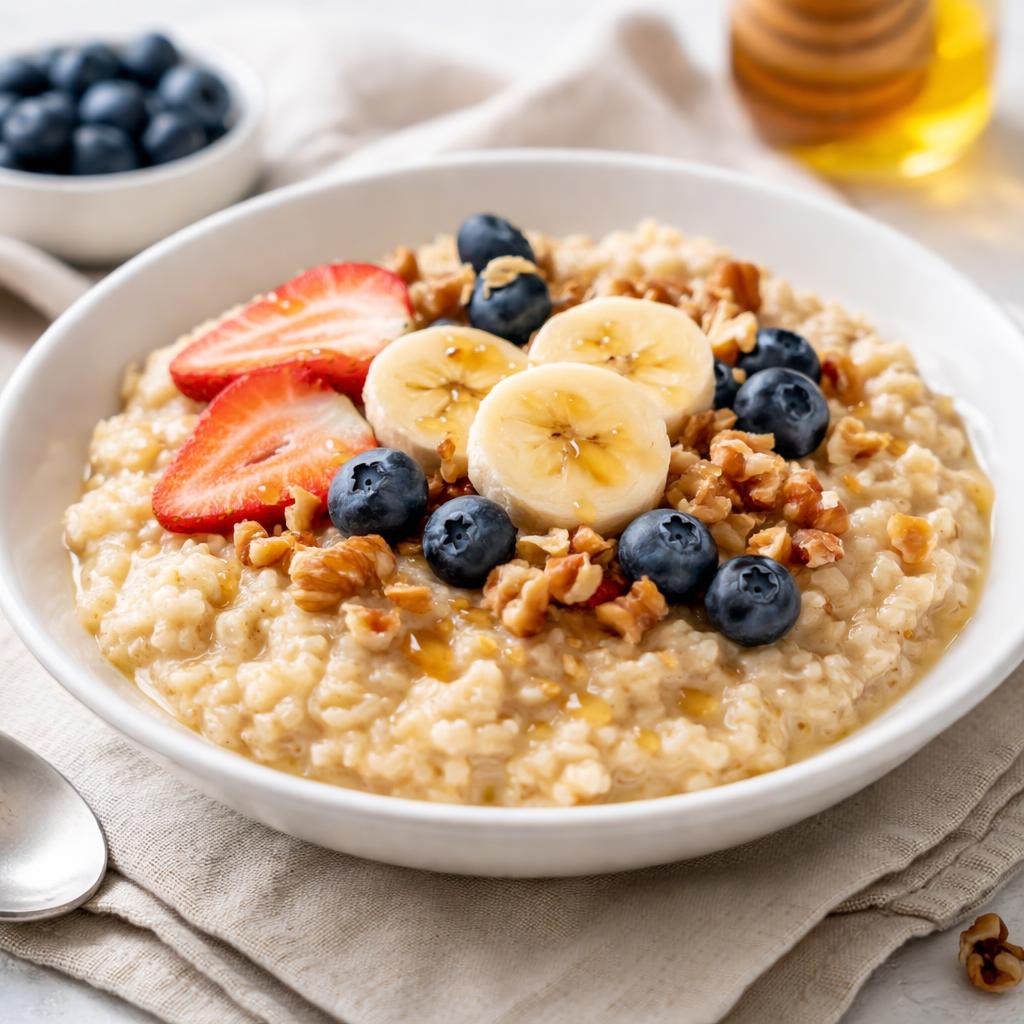
Cooked Oats
🎯 Quick Verdict
Rolled oats and cooked oats are nutritionally similar, with rolled oats containing slightly higher amounts of protein and fiber per dry 100g, while cooked oats have fewer calories per serving due to higher water content. Rolled oats are ideal for meal prep, while cooked oats provide convenience and lower-calorie servings for weight management.

Smart Nutrition Tracking with SnapCalorie

📊 Nutritional Comparison
Macronutrients
| Nutrient | Food 1 | Food 2 | Winner |
|---|---|---|---|
| Calories | 380 per 100g (dry) | 150 per 100g (cooked) | ✓ |
| Protein | 13g per 100g | 2.5g per 100g | − |
| Carbs | 68g per 100g | 27g per 100g | ✓ |
| Fat | 6g per 100g | 1g per 100g | ✓ |
| Fiber | 10g per 100g | 2g per 100g | ✓ |
Vitamins & Minerals
| Nutrient | Food 1 | Food 2 | Winner |
|---|---|---|---|
| Vitamin A | 0mcg | 0mcg | − |
| Calcium | 50mg per 100g | 16mg per 100g | ✓ |
| Iron | 4mg per 100g | 1mg per 100g | ✓ |
🏆 Category Winners
Protein
Protein content is comparable when adjusted to serving size.
Fiber
Rolled oats have 5 times more fiber per 100g compared to cooked oats.
Calories
Cooked oats have significantly fewer calories due to higher water content.
Vitamins
Rolled oats contain more calcium and iron compared to cooked oats.
🥗 Diet Compatibility
Keto
Food 1: Not Compatible
Food 2: Not Compatible
Both are high-carb foods and not suitable for keto diets.
Vegan
Food 1: Compatible
Food 2: Compatible
Both are plant-based and suitable for vegan diets.
Gluten Free
Food 1: Typically Compatible
Food 2: Typically Compatible
Oats are gluten-free unless cross-contaminated; check label for certification.
Paleo
Food 1: Not Compatible
Food 2: Not Compatible
Oats are not allowed in strict paleo diets.
Low-Carb
Food 1: Not Compatible
Food 2: Not Compatible
Oats are high in carbohydrates and not suitable for low-carb diets.
💪 Health Benefits Comparison
Food 1 Benefits
- Rich in fiber for better digestion and cholesterol reduction
- Good source of complex carbohydrates for sustained energy
- Provides iron and calcium for bone health
Food 2 Benefits
- Lower-calorie option for weight management
- Convenient and hydrating due to high water content
- Gentle on digestion, ideal for sensitive stomachs
✅ The Bottom Line
Choose rolled oats for nutrient density and meal prep when you can control serving size. Opt for cooked oats when looking for a convenient, lower-calorie option that's easy on the stomach.
Choose Food 1 for: High-fiber diets, meal prep, nutrient density
Choose Food 2 for: Weight management, quick breakfast, digestion-sensitive diets


