Rigatoni Pasta VS Tomato Pasta
A detailed nutritional comparison
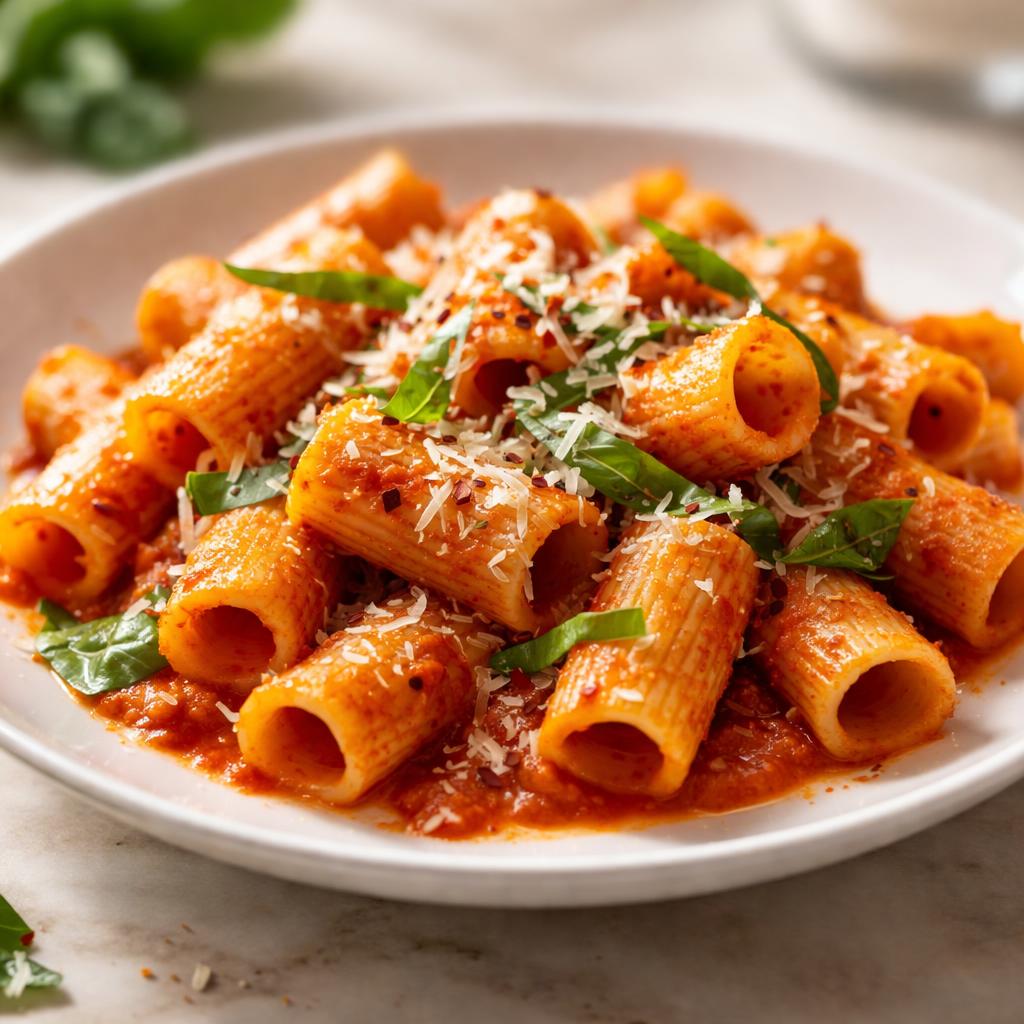
Rigatoni Pasta
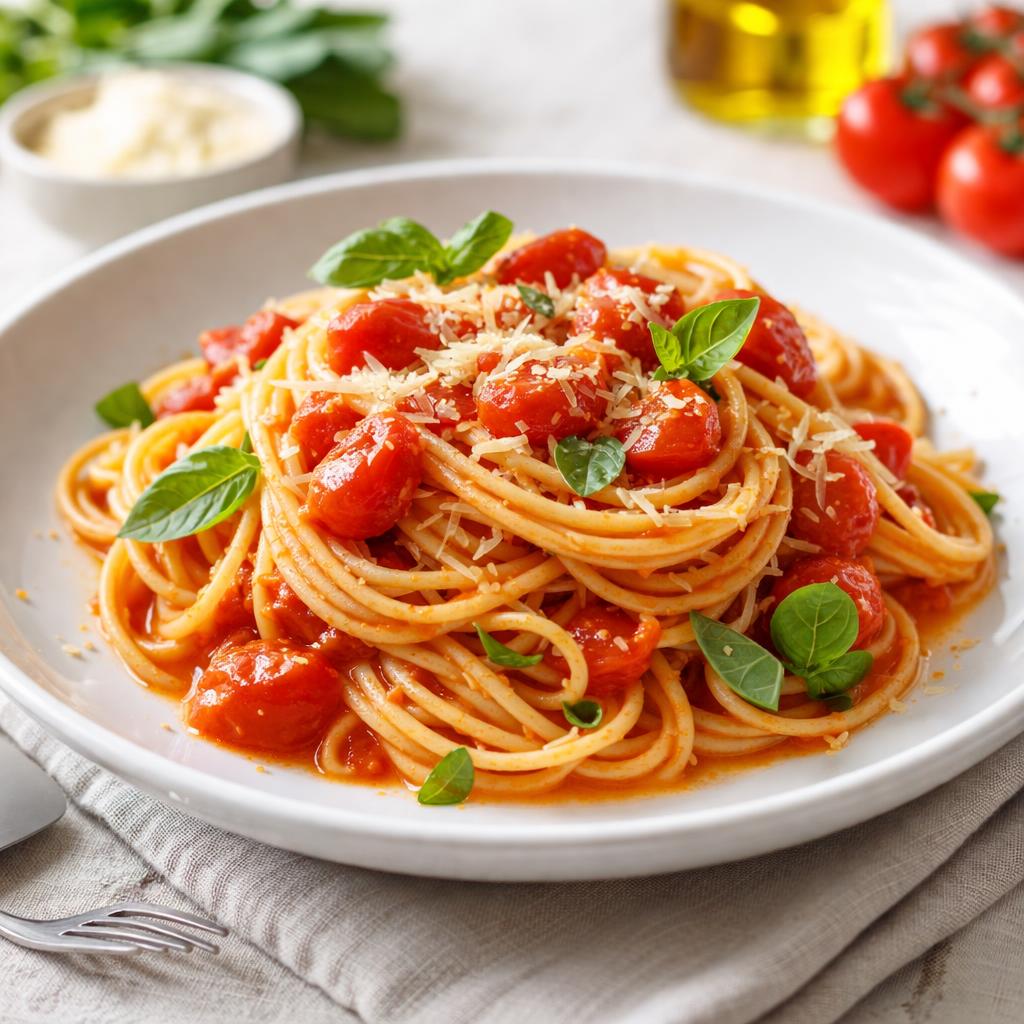
Tomato Pasta
🎯 Quick Verdict
Rigatoni pasta is higher in protein and carbs, making it ideal for energy and muscle rebuilding, but lacks fiber. Tomato pasta is lower in calories and richer in fiber, making it a more balanced option for digestion and weight management. Both are plant-based and versatile for different diets, but tomato pasta offers a better nutrient balance overall.

Smart Nutrition Tracking with SnapCalorie

📊 Nutritional Comparison
Macronutrients
| Nutrient | Food 1 | Food 2 | Winner |
|---|---|---|---|
| Calories | 220 | 180 | ✓ |
| Protein | 8g | 4g | ✓ |
| Carbs | 43g | 33g | ✓ |
| Fat | 1g | 2g | ✓ |
| Fiber | 2g | 4g | ✓ |
Vitamins & Minerals
| Nutrient | Food 1 | Food 2 | Winner |
|---|---|---|---|
| Vitamin A | 0mcg | 500mcg | ✓ |
| Vitamin C | 0mg | 15mg | ✓ |
| Iron | 2mg | 1mg | ✓ |
🏆 Category Winners
Protein
Rigatoni pasta contains twice as much protein as tomato pasta, supporting muscle growth.
Fiber
Tomato pasta has twice the fiber content, making it better for digestion.
Calories
Tomato pasta is 18% lower in calories, suitable for weight management.
Vitamins
Tomato pasta is rich in Vitamin A and C, promoting immunity and skin health.
🥗 Diet Compatibility
Keto
Food 1: Not Compatible
Food 2: Not Compatible
Both foods are high in carbohydrates and not suitable for a keto diet.
Vegan
Food 1: Compatible
Food 2: Compatible
Both are plant-based and suitable for vegans.
Gluten Free
Food 1: Not Compatible
Food 2: Depends
Rigatoni pasta contains gluten, while tomato pasta may vary based on ingredients.
Paleo
Food 1: Not Compatible
Food 2: Depends
Rigatoni pasta is not paleo-friendly, while tomato pasta might qualify if grain-free.
Low Carb
Food 1: Not Compatible
Food 2: Not Compatible
Both are carbohydrate-rich and unsuitable for low-carb diets.
💪 Health Benefits Comparison
Food 1 Benefits
- Provides a high amount of energy due to its carb content
- Good source of protein for muscle preservation
- Contains iron for oxygen transport and energy production
Food 2 Benefits
- Rich in Vitamin A for eye and skin health
- Provides Vitamin C for immune function and collagen synthesis
- Supports digestion with higher fiber content
✅ The Bottom Line
Choose rigatoni pasta for energy and muscle recovery due to its protein and carb content, especially after workouts. Tomato pasta, with its lower calorie count and higher fiber, is ideal for weight loss, digestion, and nutrient balance. Tomato pasta also offers more vitamins, making it better for overall health.
Choose Food 1 for: Energy needs, post-workout meals, carb loading
Choose Food 2 for: Weight management, balanced digestion, nutrient-rich meals


