Rigatoni Pasta VS Seafood Pasta
A detailed nutritional comparison
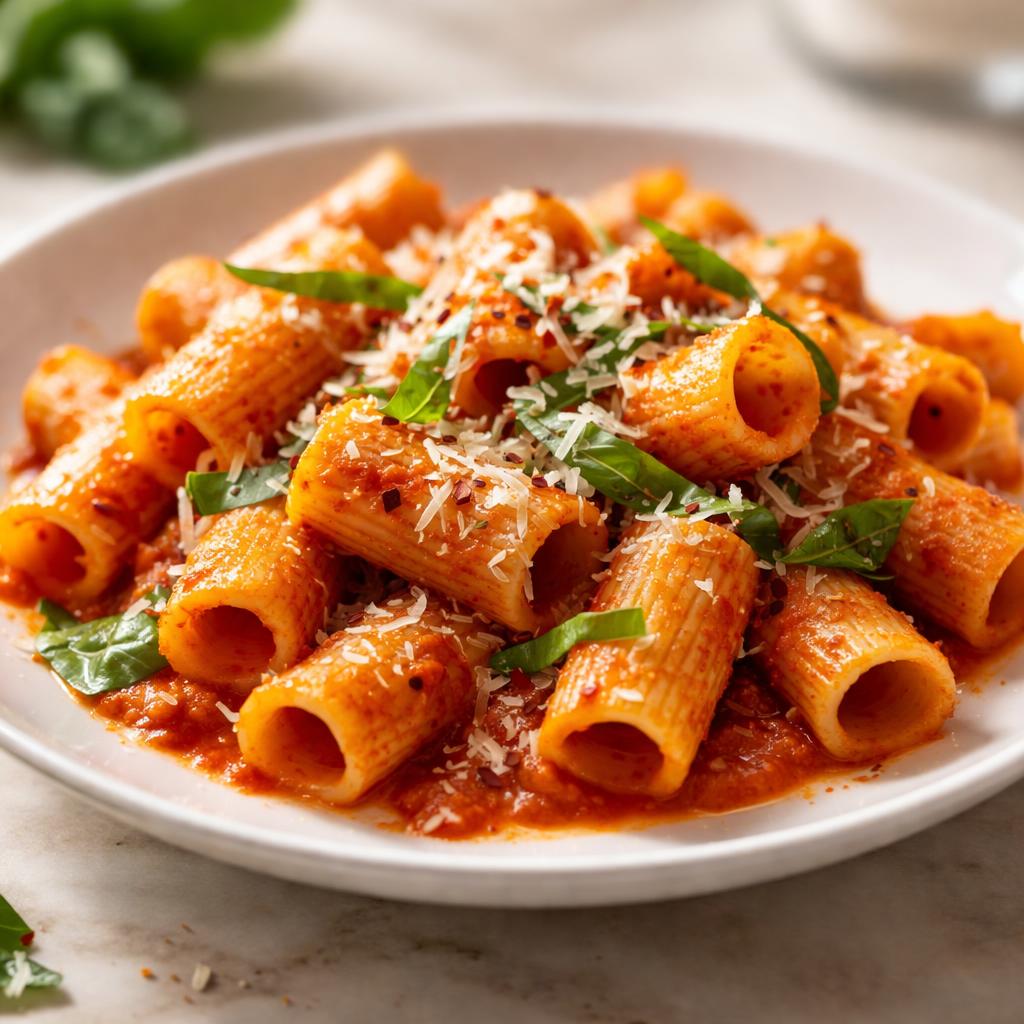
Rigatoni Pasta
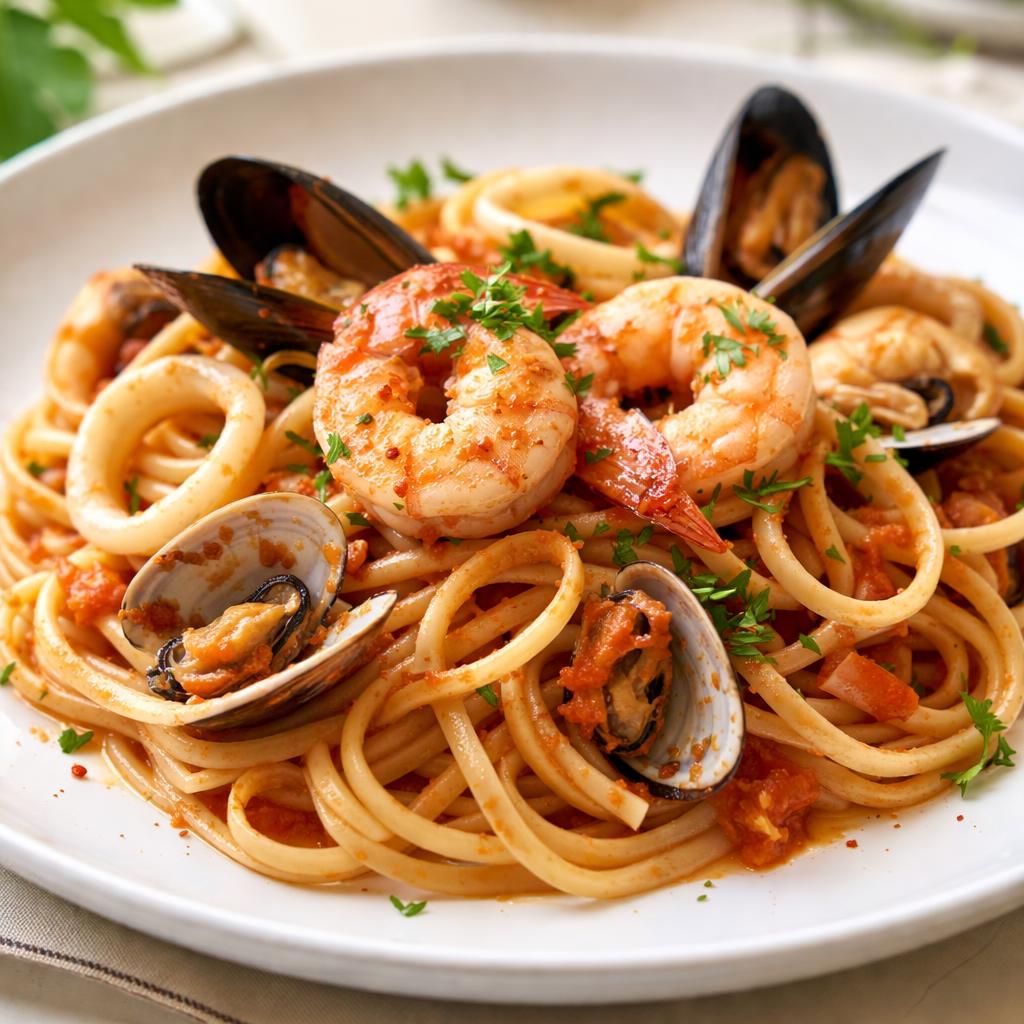
Seafood Pasta
🎯 Quick Verdict
Seafood pasta offers higher protein and more nutrient density due to the seafood content, making it ideal for muscle maintenance and overall nutrition. Rigatoni pasta is lower in calories and can be a better choice for lighter meals or those focused on calorie control. Fiber content is comparable in both foods, making it a balanced comparison in terms of digestion support.

Smart Nutrition Tracking with SnapCalorie

📊 Nutritional Comparison
Macronutrients
| Nutrient | Food 1 | Food 2 | Winner |
|---|---|---|---|
| Calories | 220 | 350 | ✓ |
| Protein | 7g | 20g | ✓ |
| Carbs | 43g | 45g | − |
| Fat | 1g | 10g | ✓ |
| Fiber | 3g | 3g | − |
Vitamins & Minerals
| Nutrient | Food 1 | Food 2 | Winner |
|---|---|---|---|
| Vitamin B12 | 0mcg | 3mcg | ✓ |
| Iron | 1mg | 5mg | ✓ |
| Calcium | 15mg | 50mg | ✓ |
🏆 Category Winners
Protein
Food2 has nearly 3 times more protein, thanks to the inclusion of seafood.
Fiber
Both foods provide equal amounts of fiber at 3g per serving.
Calories
Rigatoni pasta has significantly fewer calories, making it ideal for calorie-conscious diets.
Vitamins
Seafood pasta provides higher levels of Vitamin B12, iron, and calcium due to the nutrient profile of seafood.
🥗 Diet Compatibility
Keto
Food 1: Not Compatible
Food 2: Not Compatible
Both are high in carbs, exceeding keto-friendly limits.
Vegan
Food 1: Compatible
Food 2: Not Compatible
Food1 is completely plant-based, while food2 contains seafood.
Gluten Free
Food 1: Not Compatible
Food 2: Not Compatible
Both are made with wheat-based pasta, which contains gluten.
Paleo
Food 1: Not Compatible
Food 2: Not Compatible
Wheat-based pasta and seafood pasta are not compatible with Paleo guidelines.
Low Carb
Food 1: Not Compatible
Food 2: Not Compatible
Both foods are too high in carbs to fit into a low-carb diet.
💪 Health Benefits Comparison
Food 1 Benefits
- Lower in calories for weight management
- Provides sustained energy from complex carbohydrates
- Contains fiber for digestion support
Food 2 Benefits
- High in protein for muscle repair and maintenance
- Rich in Vitamin B12 for nerve and blood health
- Good source of iron for oxygen transport and energy
✅ The Bottom Line
Choose seafood pasta if you prioritize protein intake, nutrient density, and a filling meal for activity recovery. Opt for rigatoni pasta if your goal is calorie control, light meals, or following a vegan diet.
Choose Food 1 for: Weight management, vegan diets, energy from carbs
Choose Food 2 for: Muscle building, nutrient-rich meals, post-workout recovery


