Rice With Vegetables VS Pita Bread
A detailed nutritional comparison
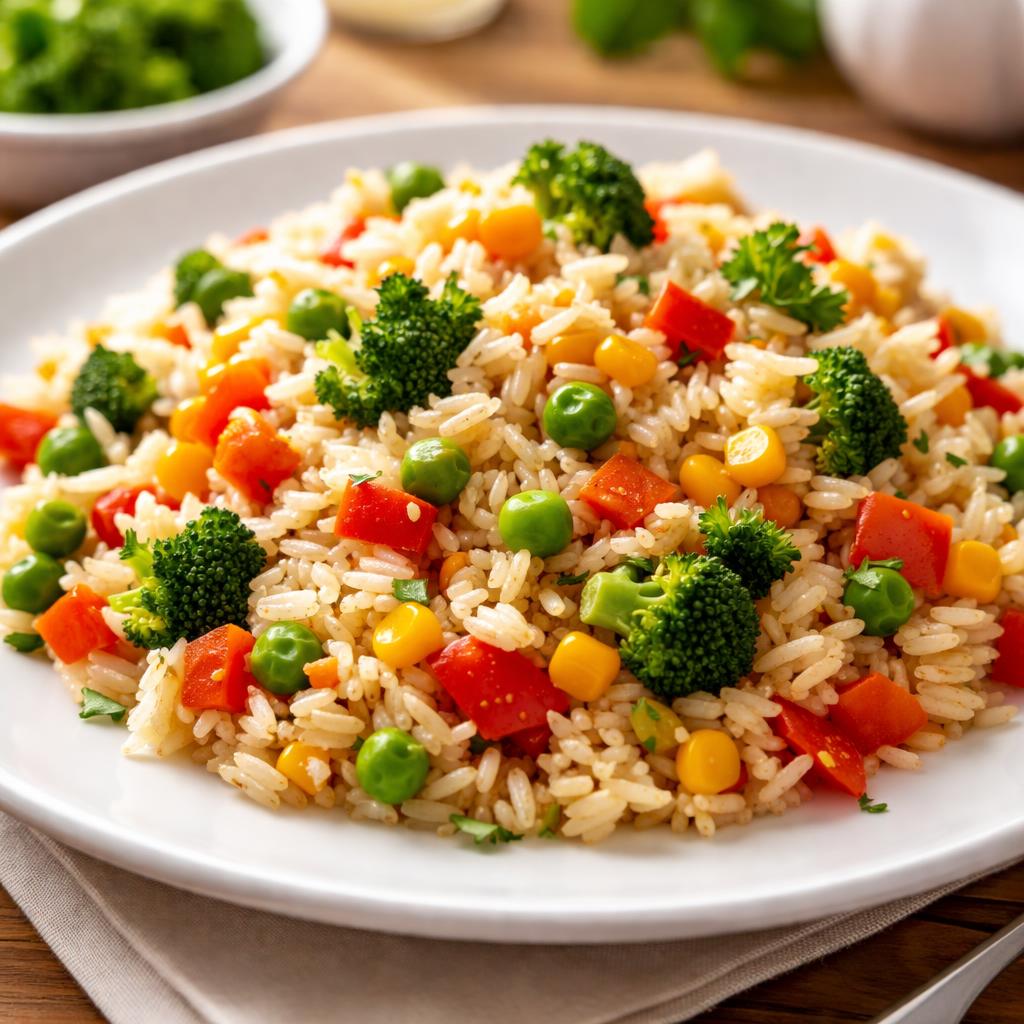
Rice With Vegetables
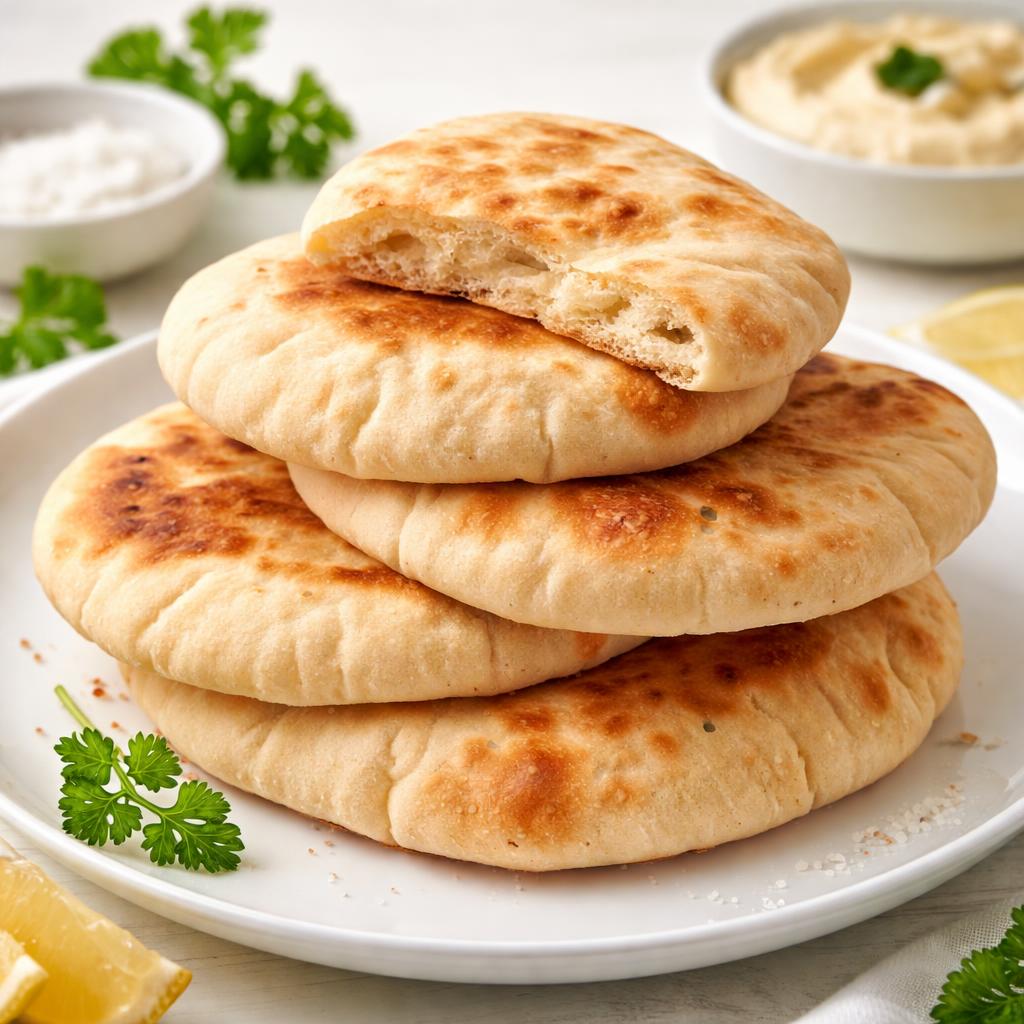
Pita Bread
🎯 Quick Verdict
Rice with vegetables provides a lower-calorie, higher-fiber, and higher-protein option compared to pita bread, making it better suited for weight loss and balanced meals. Pita bread is higher in carbohydrates and offers a convenient energy source for sustained energy during physical activity.

Smart Nutrition Tracking with SnapCalorie

📊 Nutritional Comparison
Macronutrients
| Nutrient | Food 1 | Food 2 | Winner |
|---|---|---|---|
| Calories | 250 | 275 | ✓ |
| Protein | 8g | 6g | ✓ |
| Carbs | 45g | 55g | ✓ |
| Fat | 4g | 2g | ✓ |
| Fiber | 5g | 1g | ✓ |
Vitamins & Minerals
| Nutrient | Food 1 | Food 2 | Winner |
|---|---|---|---|
| Vitamin C | 15mg | 0mg | ✓ |
| Vitamin A | 300 IU | 0 IU | ✓ |
| Calcium | 50mg | 80mg | ✓ |
| Iron | 1.5mg | 2mg | ✓ |
🏆 Category Winners
Protein
Rice with vegetables has 33% more protein per serving compared to pita bread.
Fiber
Rice with vegetables provides 5x more dietary fiber, supporting digestive health.
Calories
Rice with vegetables contains fewer calories per serving.
Vitamins
Rice with vegetables offers superior amounts of Vitamin C and Vitamin A.
🥗 Diet Compatibility
Keto
Food 1: Not Compatible
Food 2: Not Compatible
Both are high in carbohydrates.
Vegan
Food 1: Compatible
Food 2: Compatible
Both foods are plant-based and free of animal products.
Gluten Free
Food 1: Compatible
Food 2: Not Compatible
Rice with vegetables is naturally gluten-free, but pita bread contains gluten.
Paleo
Food 1: Compatible
Food 2: Not Compatible
Rice with vegetables aligns with the paleo diet, while pita bread does not due to processed grains.
Low Carb
Food 1: Not Compatible
Food 2: Not Compatible
Both foods are high in carbohydrates and not suitable for low-carb diets.
💪 Health Benefits Comparison
Food 1 Benefits
- High in fiber for gut health and digestion
- Low in calories, supporting weight management
- Rich in Vitamin C and Vitamin A for immune and vision health
Food 2 Benefits
- Quick source of energy from easily digestible carbohydrates
- Contains iron, supporting red blood cell function
- Low in fat, making it a lighter option for a snack
✅ The Bottom Line
Rice with vegetables is ideal for balanced meals, weight-conscious eating, and obtaining more essential nutrients like vitamins and fiber. Pita bread is better suited for quick energy needs and portability, such as for pre-workout snacks or on-the-go food options.
Choose Food 1 for: Balanced meals, weight loss diets, immune health support
Choose Food 2 for: Sustained energy, fast snacks, portable meals


