Rice With Vegetables VS Penne Pasta
A detailed nutritional comparison
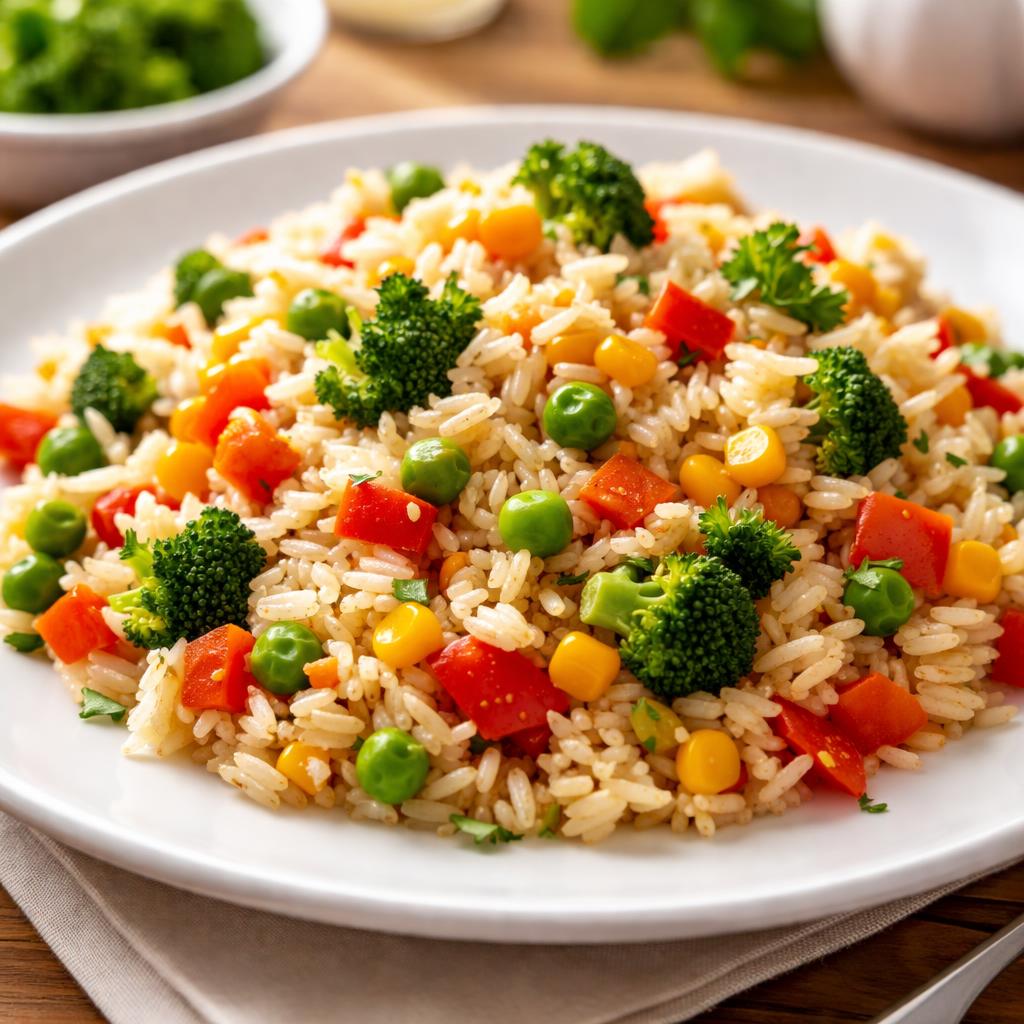
Rice With Vegetables
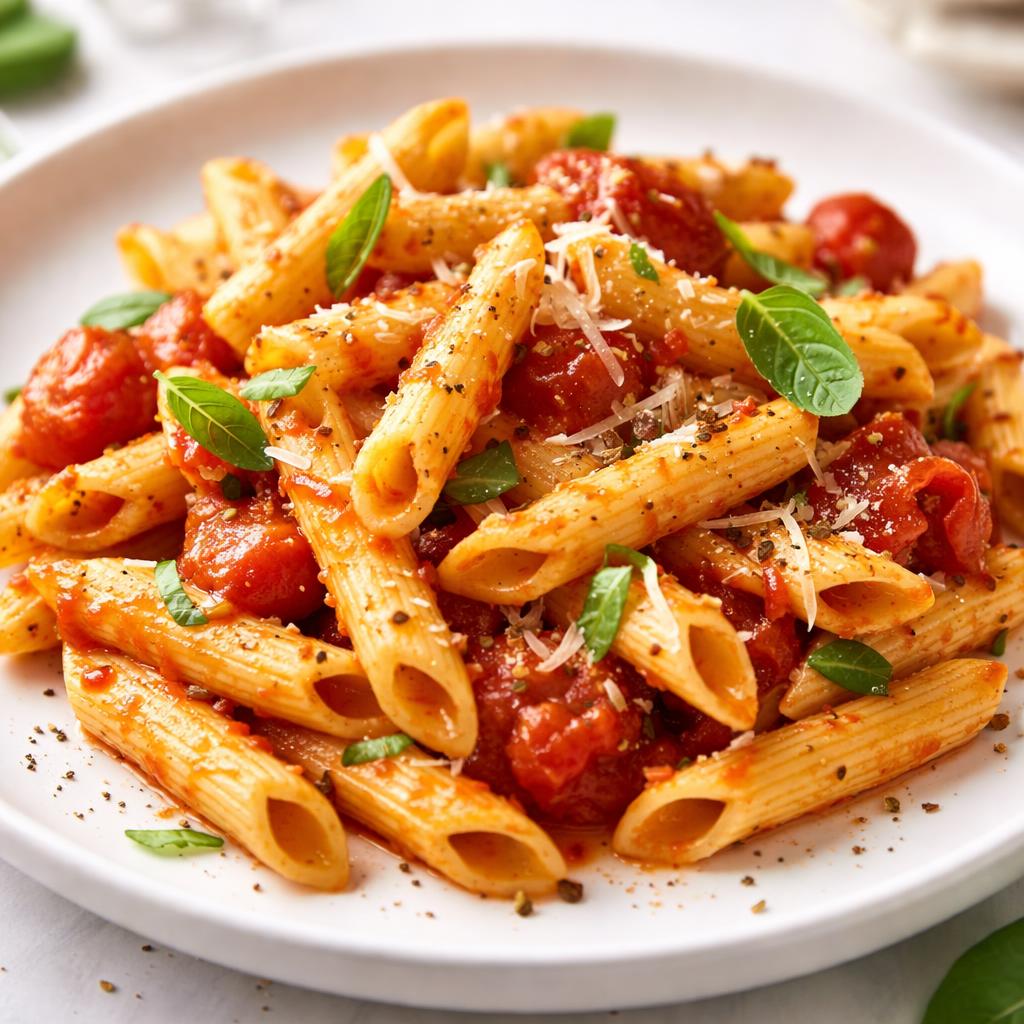
Penne Pasta
🎯 Quick Verdict
Rice with vegetables tends to be lower in calories, higher in fiber, and packed with vitamins due to the vegetables. Penne pasta is better for higher protein needs but contains more calories and fewer micronutrients. Choose food1 for a nutrient-dense, lighter meal and food2 for energy-dense meals or post-workout recovery.

Smart Nutrition Tracking with SnapCalorie

📊 Nutritional Comparison
Macronutrients
| Nutrient | Food 1 | Food 2 | Winner |
|---|---|---|---|
| Calories | 180 | 220 | ✓ |
| Protein | 5g | 7g | ✓ |
| Carbs | 35g | 43g | ✓ |
| Fat | 3g | 2g | ✓ |
| Fiber | 4g | 2g | ✓ |
Vitamins & Minerals
| Nutrient | Food 1 | Food 2 | Winner |
|---|---|---|---|
| Vitamin C | 10mg | 0mg | ✓ |
| Vitamin A | 50mcg | 0mcg | ✓ |
| Iron | 1.5mg | 0.8mg | ✓ |
🏆 Category Winners
Protein
Food2 has 40% more protein per serving.
Fiber
Food1 provides double the fiber due to vegetable content.
Calories
Food1 is 18% lower in calories.
Vitamins
Food1 is richer in vitamin C, vitamin A, and iron.
🥗 Diet Compatibility
Keto
Food 1: Not Compatible
Food 2: Not Compatible
Both are high-carb.
Vegan
Food 1: Compatible
Food 2: Compatible
Both are plant-based foods.
Gluten Free
Food 1: Compatible
Food 2: Not Compatible
Food1 uses rice which is naturally gluten-free, while food2 is wheat-based pasta.
Paleo
Food 1: Compatible
Food 2: Not Compatible
Food1 aligns with paleo principles if vegetables are unprocessed.
Low-Carb
Food 1: Not Compatible
Food 2: Not Compatible
Both foods are high in carbohydrates.
💪 Health Benefits Comparison
Food 1 Benefits
- Low in calories for weight management
- High fiber content promotes digestion
- Rich in vitamins C and A for immune and eye health
- Naturally gluten-free, suitable for sensitive diets
Food 2 Benefits
- Higher protein content supports muscle repair
- Energy-dense for active lifestyles or athletes
- Source of iron for improved oxygen transport
- Contains fewer fats, making it heart-friendly
✅ The Bottom Line
Rice with vegetables is ideal for nutrient density, weight loss, and digestive benefits, while penne pasta excels in protein content and energy provision. Choose food1 for a light, nutrient-rich meal and food2 for pre- or post-workout fueling.
Choose Food 1 for: Low-calorie meals, nutrient density, vegetarian diets
Choose Food 2 for: Energy demands, protein-focused meals, active lifestyles


