Rice With Vegetables VS Pearl Barley
A detailed nutritional comparison
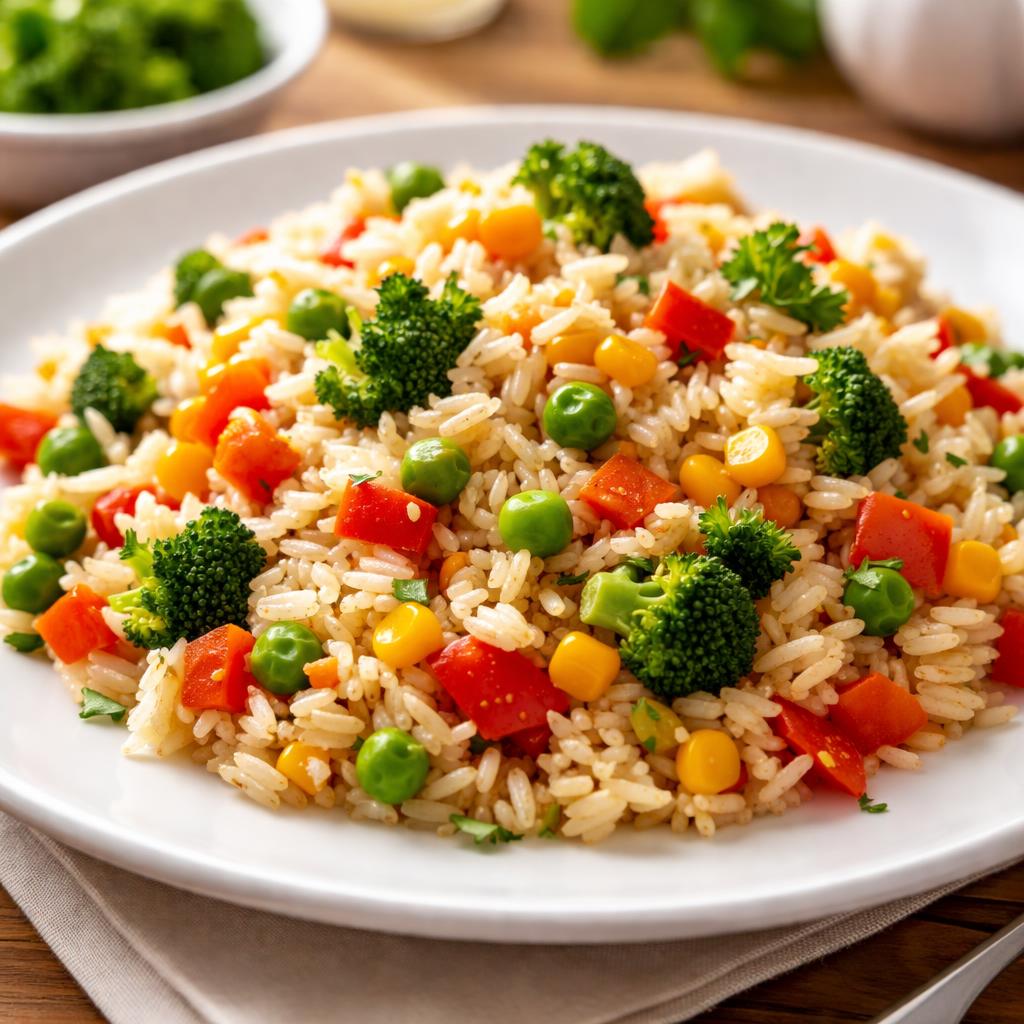
Rice With Vegetables
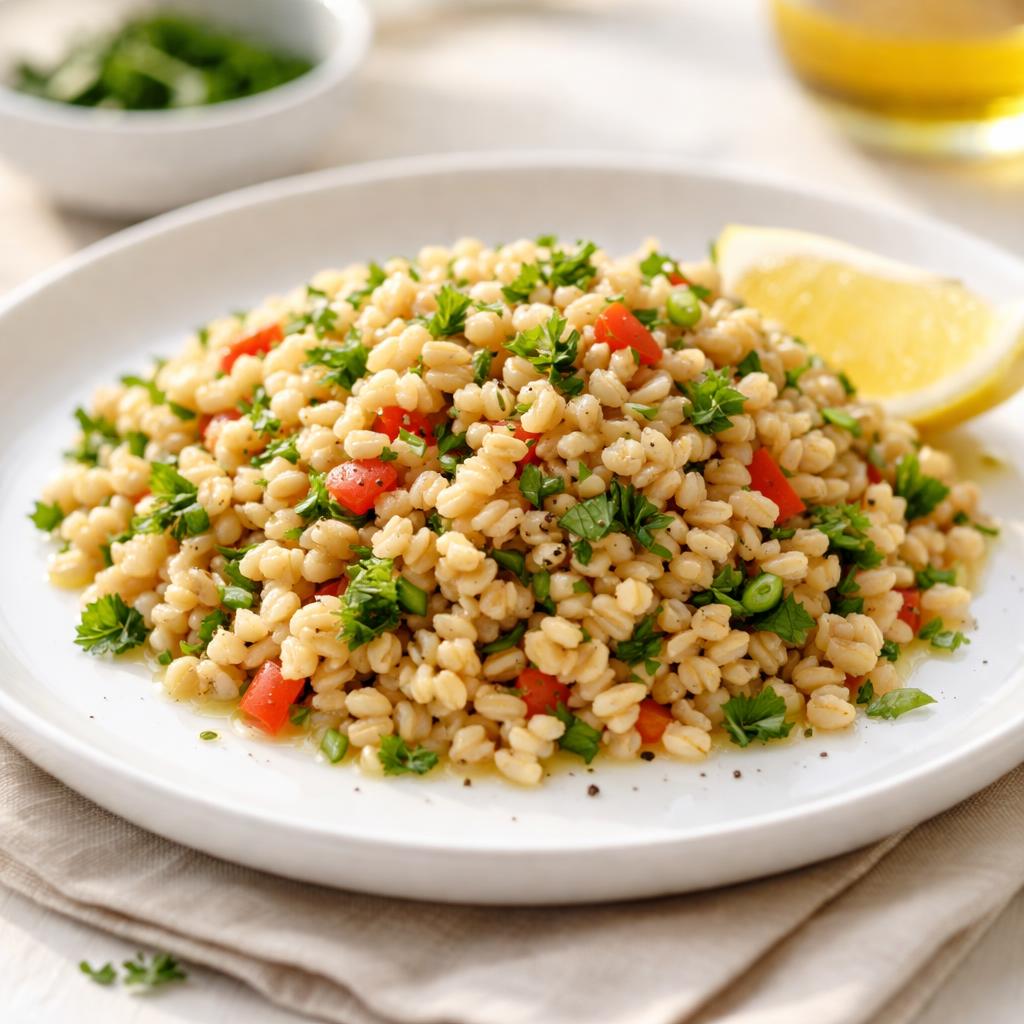
Pearl Barley
🎯 Quick Verdict
Rice with vegetables is a low-calorie, gluten-free food, ideal for weight-conscious individuals or those seeking a versatile, light meal. Pearl barley, on the other hand, offers superior protein and fiber content, making it better suited for sustained energy and promoting healthy digestion. Both foods can fit into a balanced diet but cater to different nutritional priorities.

Smart Nutrition Tracking with SnapCalorie

📊 Nutritional Comparison
Macronutrients
| Nutrient | Food 1 | Food 2 | Winner |
|---|---|---|---|
| Calories | 120 | 150 | ✓ |
| Protein | 3g | 5g | ✓ |
| Carbs | 25g | 28g | ✓ |
| Fat | 1g | 0.5g | ✓ |
| Fiber | 2g | 4g | ✓ |
Vitamins & Minerals
| Nutrient | Food 1 | Food 2 | Winner |
|---|---|---|---|
| Vitamin D | 0mcg | 0mcg | − |
| Calcium | 20mg | 33mg | ✓ |
| Iron | 1mg | 2mg | ✓ |
| Magnesium | 13mg | 33mg | ✓ |
🏆 Category Winners
Protein
Pearl barley has 67% more protein per serving.
Fiber
Pearl barley provides double the fiber content (4g vs 2g).
Calories
Rice with vegetables has 20% fewer calories (120 vs 150).
Vitamins
Pearl barley has higher calcium, iron, and magnesium concentrations.
🥗 Diet Compatibility
Keto
Food 1: Not Compatible
Food 2: Not Compatible
Both are high-carb foods, unsuitable for keto diets.
Vegan
Food 1: Compatible
Food 2: Compatible
Both are plant-based foods.
Gluten Free
Food 1: Compatible
Food 2: Not Compatible
Pearl barley contains gluten, while rice with vegetables is gluten-free.
Paleo
Food 1: Compatible
Food 2: Not Compatible
Rice with vegetables fits Paleo guidelines, while pearl barley does not as it is a cultivated grain.
Low-Carb
Food 1: Not Compatible
Food 2: Not Compatible
Both foods are primarily carbohydrate-based and unsuitable for low-carb diets.
💪 Health Benefits Comparison
Food 1 Benefits
- Low in calories, ideal for weight management
- Contains moderate fiber for supporting digestion
- Provides essential nutrients depending on vegetable selection (e.g., Vitamin C or beta-carotene from vegetables)
Food 2 Benefits
- Rich in fiber to promote gut health
- Good source of plant-based protein for sustained energy
- Contains minerals like magnesium and iron for bone and blood health
- Helps in lowering cholesterol due to its soluble fiber content
✅ The Bottom Line
Choose rice with vegetables if you're aiming for weight loss, a gluten-free option, or a versatile complement to meals. Opt for pearl barley for higher protein and fiber intake, sustained energy, and better mineral content. Both foods have unique strengths depending on your dietary goals.
Choose Food 1 for: Weight loss, gluten-free diets, light meals
Choose Food 2 for: Gut health, heart health, sustained energy


