Rice With Vegetables VS Flatbread Sandwich
A detailed nutritional comparison
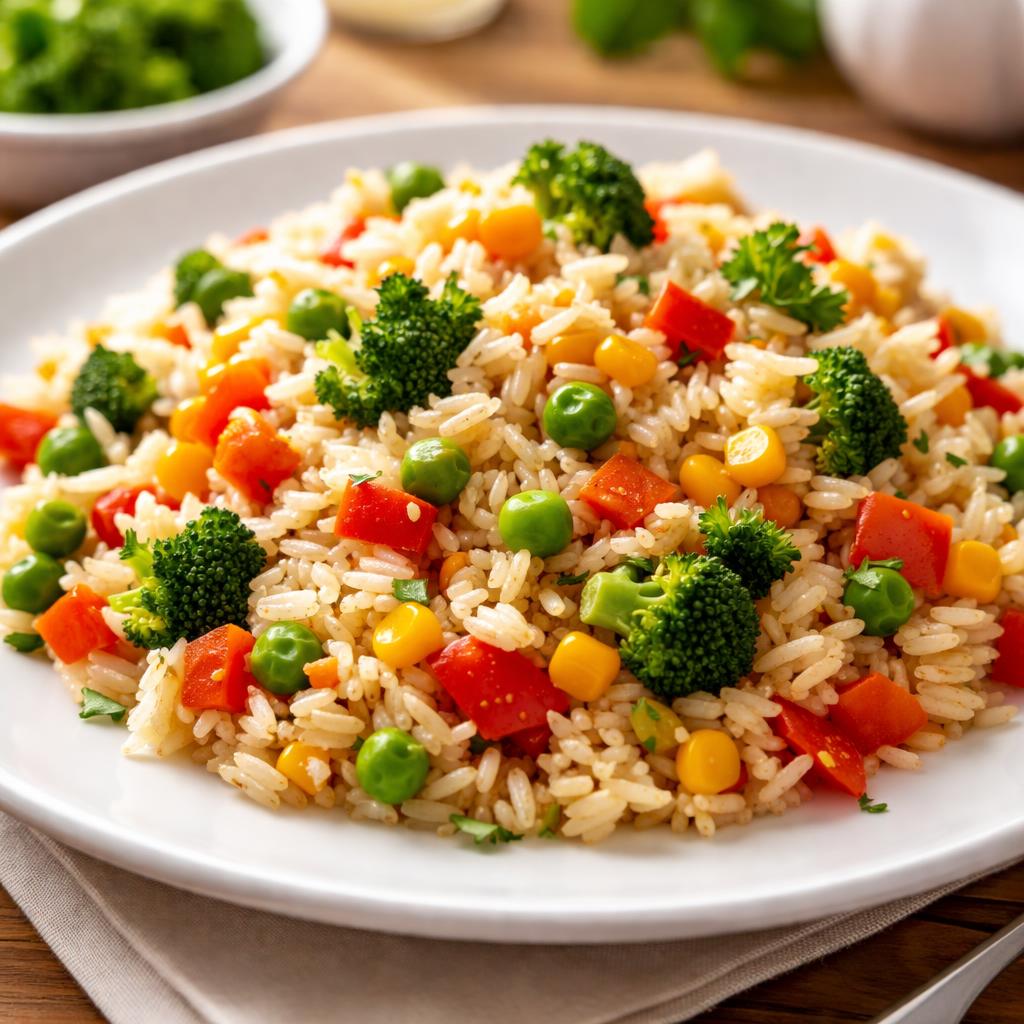
Rice With Vegetables
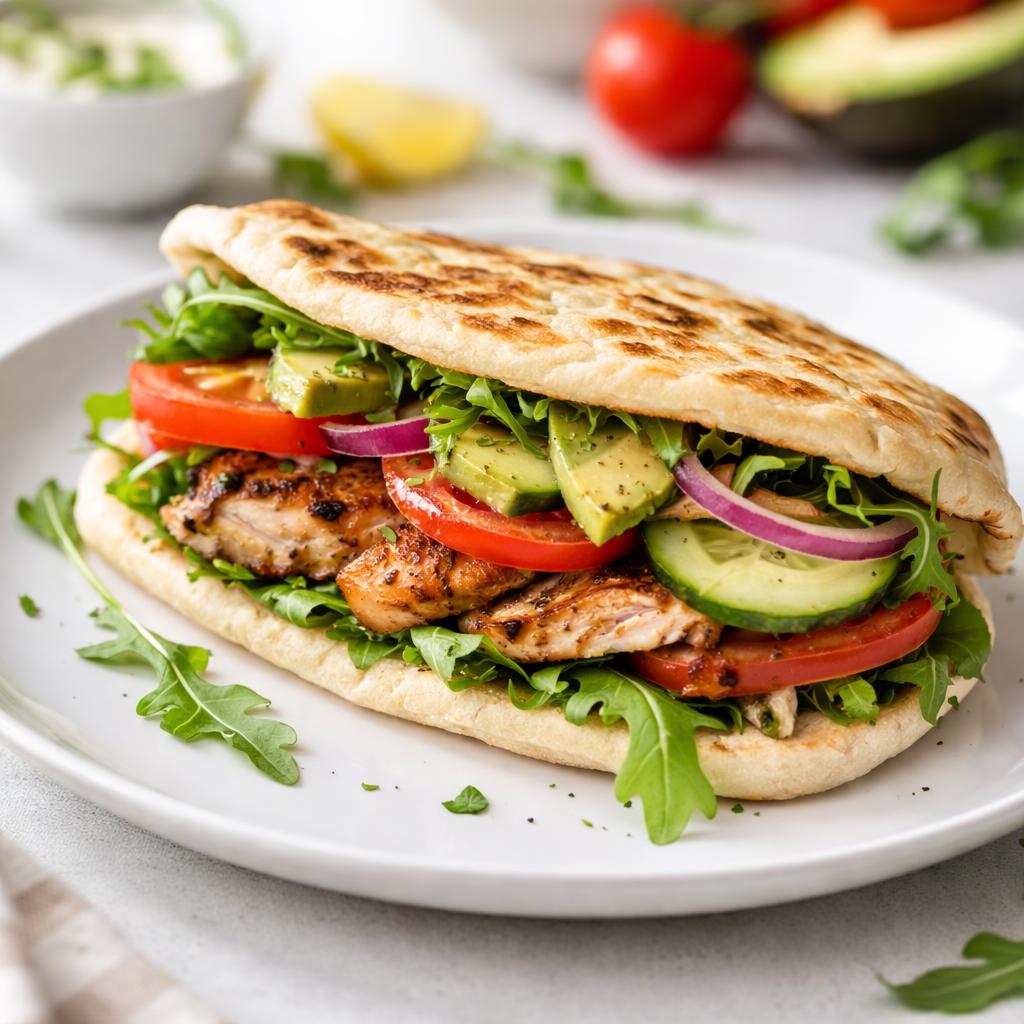
Flatbread Sandwich
🎯 Quick Verdict
Rice with vegetables is lower in calories and higher in fiber, making it ideal for weight loss and digestive health. The flatbread sandwich has more protein per serving, which is beneficial for muscle repair and energy. Both foods cater to different dietary needs depending on your priorities for meal composition.

Smart Nutrition Tracking with SnapCalorie

📊 Nutritional Comparison
Macronutrients
| Nutrient | Food 1 | Food 2 | Winner |
|---|---|---|---|
| Calories | 200 | 320 | ✓ |
| Protein | 6g | 12g | ✓ |
| Carbs | 36g | 42g | ✓ |
| Fat | 3g | 10g | ✓ |
| Fiber | 4g | 2g | ✓ |
Vitamins & Minerals
| Nutrient | Food 1 | Food 2 | Winner |
|---|---|---|---|
| Vitamin C | 15mg | 5mg | ✓ |
| Vitamin A | 200mcg | 50mcg | ✓ |
| Iron | 2mg | 1mg | ✓ |
🏆 Category Winners
Protein
The flatbread sandwich has double the protein content, making it a better option for muscle repair and energy needs.
Fiber
Rice with vegetables contains twice the fiber, aiding in digestion and promoting satiety.
Calories
Rice with vegetables has 37.5% fewer calories, ideal for calorie-conscious diets.
🥗 Diet Compatibility
Keto
Food 1: Not Compatible
Food 2: Not Compatible
Both foods are high in carbohydrates and not suitable for ketogenic diets.
Vegan
Food 1: Compatible
Food 2: Depends on preparation
Rice with vegetables is vegan-friendly by default, while some flatbread sandwiches may contain non-vegan fillings.
Gluten Free
Food 1: Compatible
Food 2: Not Compatible
Food1 is naturally gluten-free, whereas flatbread often contains gluten.
Paleo
Food 1: Not Compatible
Food 2: Not Compatible
Neither food aligns with paleo guidelines due to grain content.
Low-Carb
Food 1: Not Compatible
Food 2: Not Compatible
Both foods are moderate to high in carbs and unsuitable for low-carb diets.
💪 Health Benefits Comparison
Food 1 Benefits
- Low in calories, supporting weight management
- High in fiber, promoting digestion and gut health
- Rich in vitamins A and C, boosting immune health
Food 2 Benefits
- High protein content, aiding muscle repair and energy
- Contains healthy fats (if prepared with quality toppings like avocado or hummus)
- Versatile option for energy-packed meals
✅ The Bottom Line
Rice with vegetables works best for weight loss, digestion-focused diets, or those seeking a low-calorie, high-fiber meal. Flatbread sandwiches are better for active individuals or those seeking a higher-protein option with versatile toppings.
Choose Food 1 for: Weight loss, digestive health, vegan diets
Choose Food 2 for: High-protein diets, energy needs, flexible customization


