Rice VS Yogurt
A detailed nutritional comparison
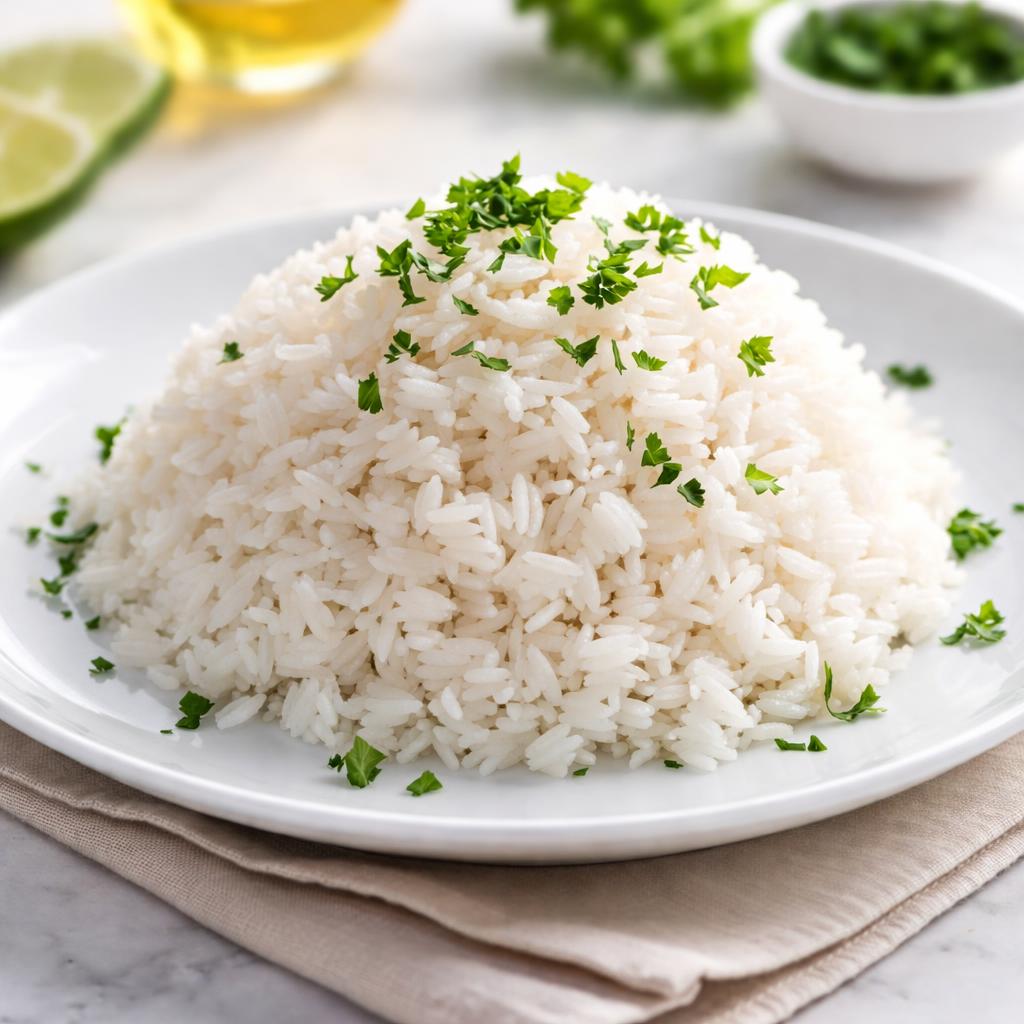
Rice

Yogurt
🎯 Quick Verdict
Rice and yogurt serve different nutritional purposes. Rice is higher in carbohydrates and fiber, making it a better choice for energy and digestion, while yogurt is protein-rich and lower in calories, supporting muscle repair and weight management. Each food is ideal for distinct dietary needs based on goals and preferences.

Smart Nutrition Tracking with SnapCalorie

📊 Nutritional Comparison
Macronutrients
| Nutrient | Food 1 | Food 2 | Winner |
|---|---|---|---|
| Calories | 206 (per cup, cooked) | 150 (per cup, plain) | ✓ |
| Protein | 4.3g | 8.5g | ✓ |
| Carbs | 44.5g | 11.4g | ✓ |
| Fat | 0.4g | 3.8g | ✓ |
| Fiber | 0.6g | 0g | ✓ |
Vitamins & Minerals
| Nutrient | Food 1 | Food 2 | Winner |
|---|---|---|---|
| Vitamin D | 0mcg | 3mcg | ✓ |
| Calcium | 20mg | 300mg | ✓ |
| Iron | 0.4mg | 0.1mg | ✓ |
🏆 Category Winners
Protein
Yogurt has double the protein compared to rice per serving.
Fiber
Rice contains some dietary fiber, while yogurt has none.
Calories
Yogurt contains fewer calories per serving compared to rice.
Vitamins
Yogurt provides higher levels of Vitamin D and Calcium, making it superior in micronutrient density.
🥗 Diet Compatibility
Keto
Food 1: Not Compatible
Food 2: Partially Compatible
Rice is high-carb, while yogurt is lower-carb but contains some carbohydrates.
Vegan
Food 1: Compatible
Food 2: Not Compatible
Rice is plant-based, while yogurt typically comes from dairy, unless it's a plant-based alternative.
Gluten Free
Food 1: Compatible
Food 2: Compatible
Both rice and yogurt are naturally gluten-free.
Paleo
Food 1: Compatible
Food 2: Compatible
Both foods fit paleo diets depending on yogurt variety (unsweetened/plain).
Low-Carb
Food 1: Not Compatible
Food 2: Partially Compatible
Rice is high-carb, but yogurt is relatively low-carb, making it easier to fit into low-carb diets.
💪 Health Benefits Comparison
Food 1 Benefits
- High in carbohydrates for sustained energy
- Provides small amounts of fiber for digestion
- Naturally gluten-free and easy to digest
Food 2 Benefits
- Rich in protein to support muscle repair and growth
- Contains calcium and Vitamin D for bone health
- Contains probiotics, promoting gut health
✅ The Bottom Line
Rice is a staple carbohydrate source, perfect for providing quick energy in meals or for carb-heavy diets. Yogurt shines as a high-protein and low-calorie option, great for muscle recovery, bone health, and gut support. Choose rice for energy needs and yogurt for nutrient density and light meals.
Choose Food 1 for: Athletes needing quick energy, high-carb diets, gluten-free meal bases
Choose Food 2 for: Weight management, post-workout recovery, supporting gut and bone health


