Rice VS Wrap
A detailed nutritional comparison
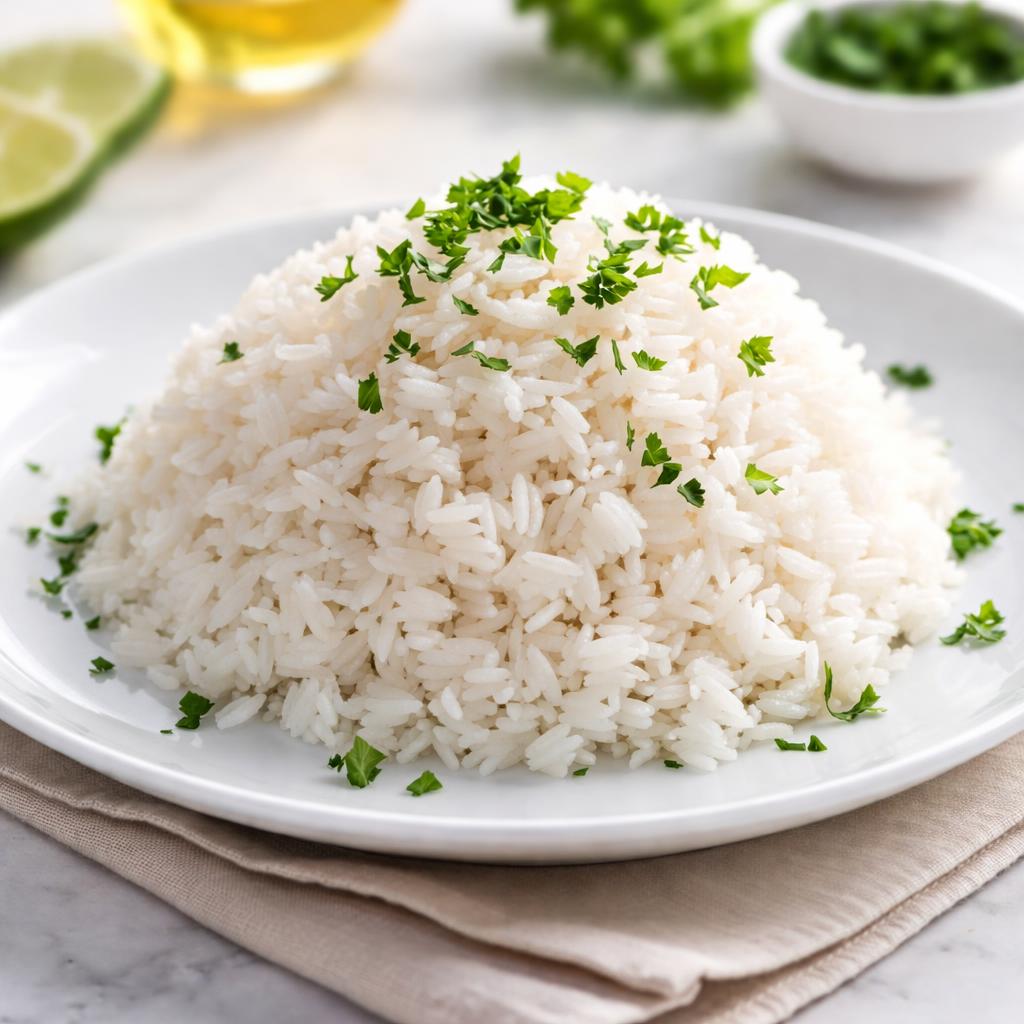
Rice
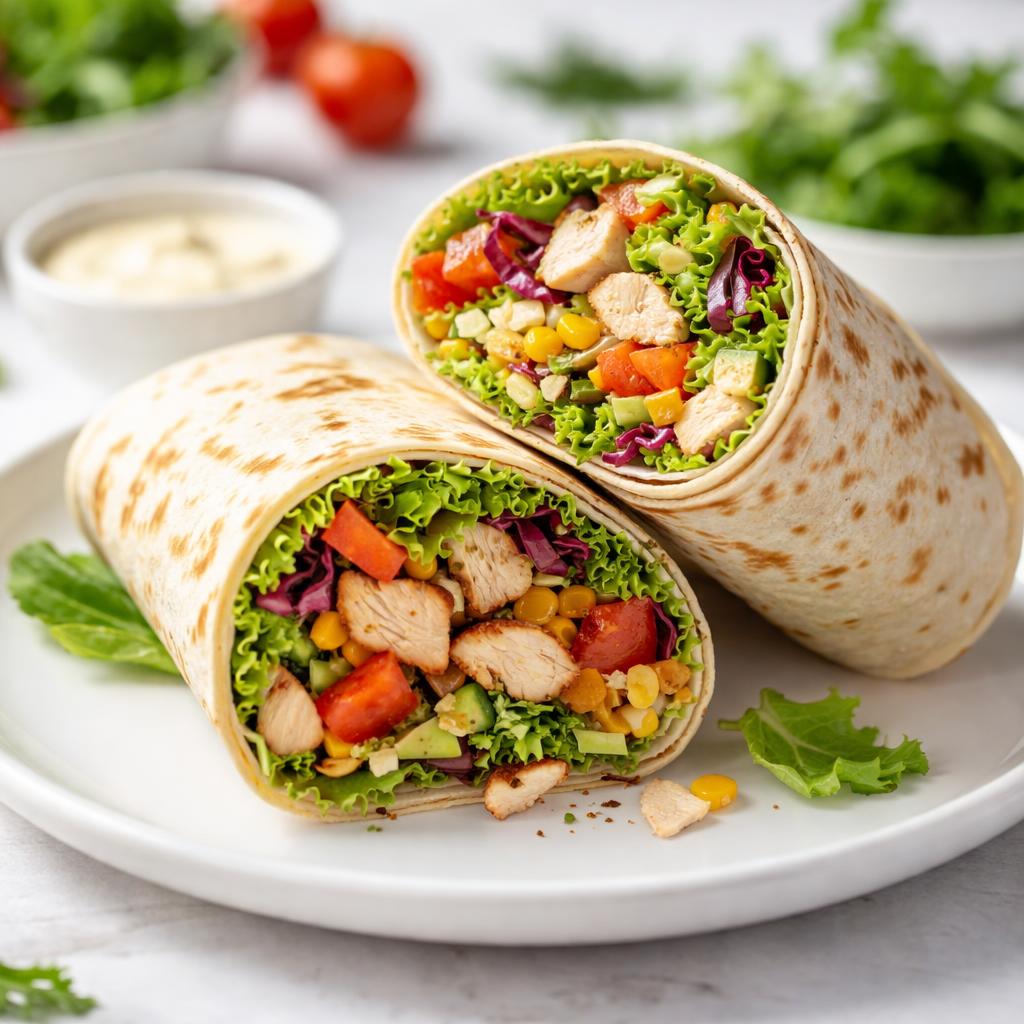
Wrap
🎯 Quick Verdict
Rice is a lower-calorie option primarily composed of carbohydrates, making it ideal for energy supply and lighter meals. Wraps tend to be higher in protein and fiber, providing more satiety and nutrients overall. Wraps are more versatile for nutrient-dense meals, while rice is better for controlled calorie intake and easy digestion.

Smart Nutrition Tracking with SnapCalorie

📊 Nutritional Comparison
Macronutrients
| Nutrient | Food 1 | Food 2 | Winner |
|---|---|---|---|
| Calories | 130 (per 100g cooked) | 200 (per 60g tortilla) | ✓ |
| Protein | 2.7g | 7g | ✓ |
| Carbs | 28g | 30g | ✓ |
| Fat | 0.3g | 5g | ✓ |
| Fiber | 0.4g | 2g | ✓ |
Vitamins & Minerals
| Nutrient | Food 1 | Food 2 | Winner |
|---|---|---|---|
| Vitamin D | 0mcg | 0mcg | − |
| Calcium | 5mg | 100mg | ✓ |
| Iron | 0.2mg | 1.5mg | ✓ |
🏆 Category Winners
Protein
Wraps contain 160% more protein per serving compared to rice.
Fiber
Wraps provide five times more fiber than rice, supporting digestive health.
Calories
Rice is 35% lower in calories per serving compared to wraps.
🥗 Diet Compatibility
Keto
Food 1: Not Compatible
Food 2: Not Compatible
Both are high in carbohydrates.
Vegan
Food 1: Compatible
Food 2: Compatible
Both foods are plant-based.
Gluten Free
Food 1: Compatible
Food 2: Not Compatible
Rice is naturally gluten-free, but wraps often contain wheat unless labeled gluten-free.
Paleo
Food 1: Compatible
Food 2: Not Compatible
Rice aligns with paleo principles, while wraps often contain processed grains.
Low-Carb
Food 1: Not Compatible
Food 2: Not Compatible
Both foods are high-carb options unsuitable for low-carb diets.
💪 Health Benefits Comparison
Food 1 Benefits
- Low in calories, aiding in weight management
- Easily digestible for sensitive stomachs
- Source of quick energy to fuel physical activity
Food 2 Benefits
- Higher protein content supports muscle repair
- Rich in fiber for improved digestion
- Provides calcium and iron, essential for bone health and oxygen transport
✅ The Bottom Line
Choose rice if you need a low-calorie, energy-dense option that is gluten-free and easily digestible. Opt for wraps if you want a higher-protein and higher-fiber food that is nutrient-dense and more versatile for meals like burritos or sandwiches.
Choose Food 1 for: Weight management, easy digestion, gluten-free diets
Choose Food 2 for: High-protein diets, nutrient-dense meals, muscle repair


