Rice VS Watermelon
A detailed nutritional comparison
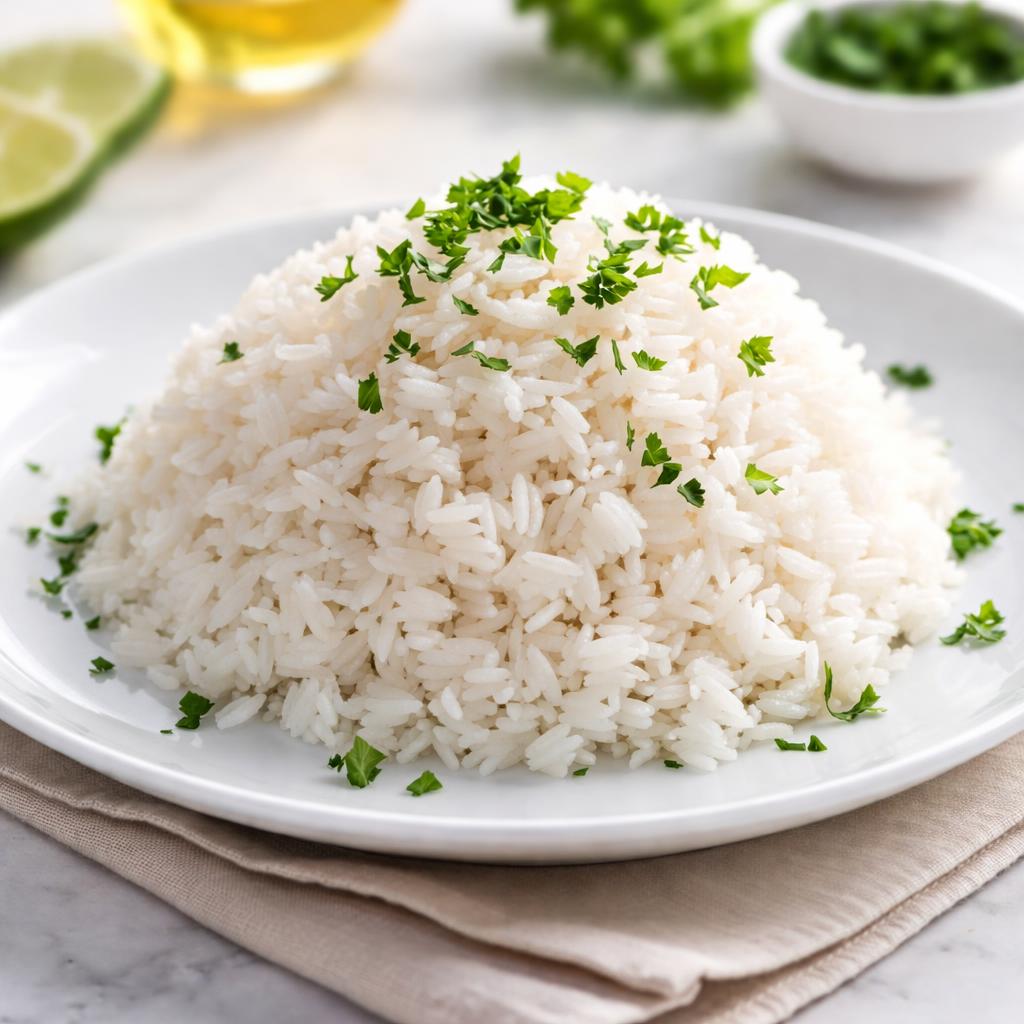
Rice
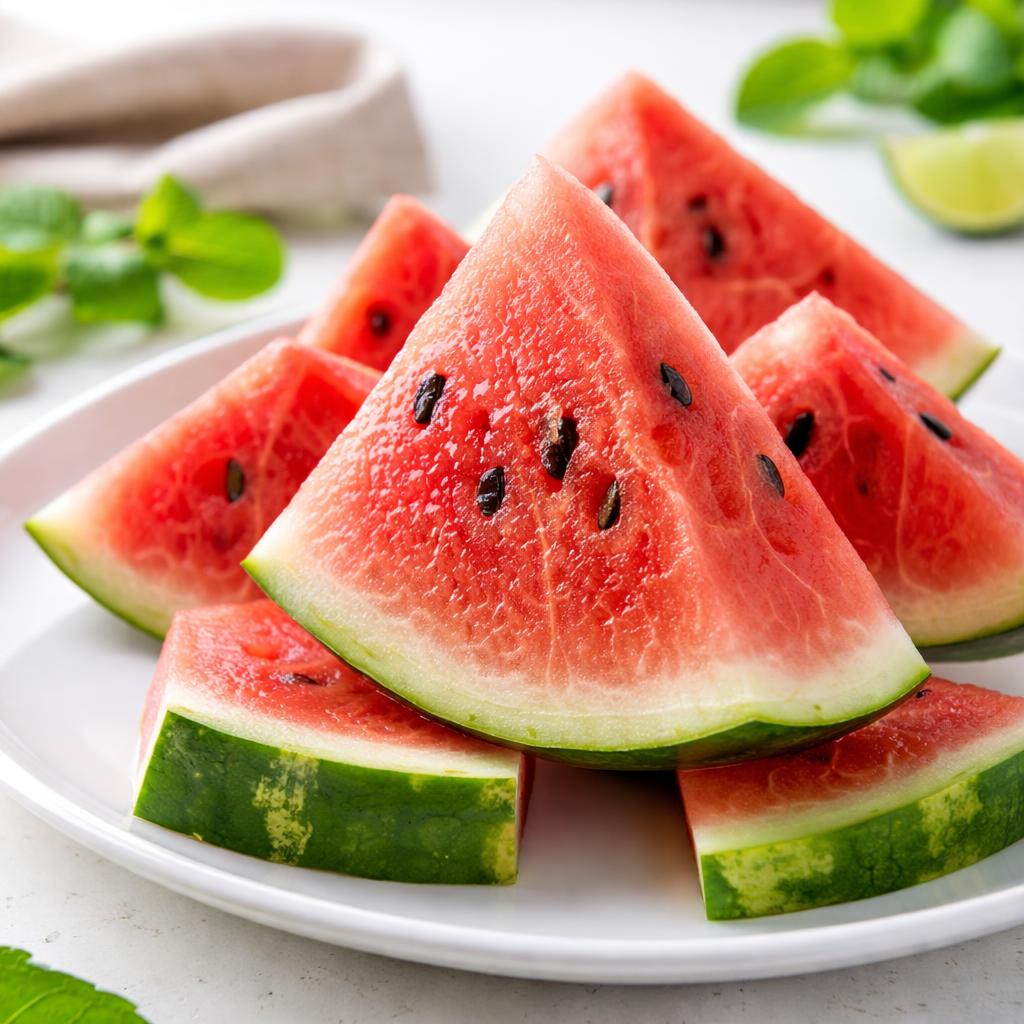
Watermelon
🎯 Quick Verdict
Rice and watermelon differ significantly in nutritional composition. Rice is higher in protein, fiber, and energy, making it suitable for meals requiring sustained carbohydrates. Watermelon is lower in calories, offers hydration, and delivers essential vitamins, especially vitamin C. Choose rice for energy and satiety, and watermelon for refreshment and a light snack.

Smart Nutrition Tracking with SnapCalorie

📊 Nutritional Comparison
Macronutrients
| Nutrient | Food 1 | Food 2 | Winner |
|---|---|---|---|
| Calories | 130 | 30 | ✓ |
| Protein | 2.7g | 0.6g | ✓ |
| Carbs | 28g | 8g | ✓ |
| Fat | 0.3g | 0.2g | − |
| Fiber | 0.4g | 0.3g | ✓ |
Vitamins & Minerals
| Nutrient | Food 1 | Food 2 | Winner |
|---|---|---|---|
| Vitamin C | 0mg | 9mg | ✓ |
| Vitamin A | 0mcg | 28mcg | ✓ |
| Potassium | 35mg | 112mg | ✓ |
🏆 Category Winners
Protein
Rice has over 4 times more protein per serving than watermelon.
Fiber
Rice contains slightly more fiber than watermelon per serving.
Calories
Watermelon contains significantly fewer calories, suitable for low-calorie diets.
Vitamins
Watermelon is richer in vitamin C, A, and potassium, providing more micronutrient benefits.
🥗 Diet Compatibility
Keto
Food 1: Not Compatible
Food 2: Not Compatible
Both foods are high in carbohydrates, making them unsuitable for ketogenic diets.
Vegan
Food 1: Compatible
Food 2: Compatible
Both foods are plant-based and suitable for vegan diets.
Gluten Free
Food 1: Compatible
Food 2: Compatible
Neither rice nor watermelon contains gluten.
Paleo
Food 1: Compatible
Food 2: Compatible
Both foods fit within typical paleo diet guidelines.
Low Carb
Food 1: Not Compatible
Food 2: Compatible
Watermelon is lower in carbohydrates compared to rice, making it more suitable for low-carb diets.
💪 Health Benefits Comparison
Food 1 Benefits
- Provides sustained energy through complex carbohydrates
- Serves as a gluten-free grain alternative
- Small amount of protein supports muscle repair
Food 2 Benefits
- Rich in vitamin C for immune function
- High water content supports hydration
- Contains antioxidants like lycopene
- Low-calorie option for weight management
✅ The Bottom Line
Rice is a better choice for meals requiring energy and satiety due to its higher carbohydrate and protein content. In contrast, watermelon is ideal as a refreshing snack or dessert with low calories and hydration benefits. Choose rice for main meals and watermelon for light, nutrient-rich snacking.
Choose Food 1 for: Sustained energy, gluten-free cooking, meal side dishes
Choose Food 2 for: Low-calorie diets, hydration, antioxidant intake


