Rice VS Vegetable Pizza
A detailed nutritional comparison
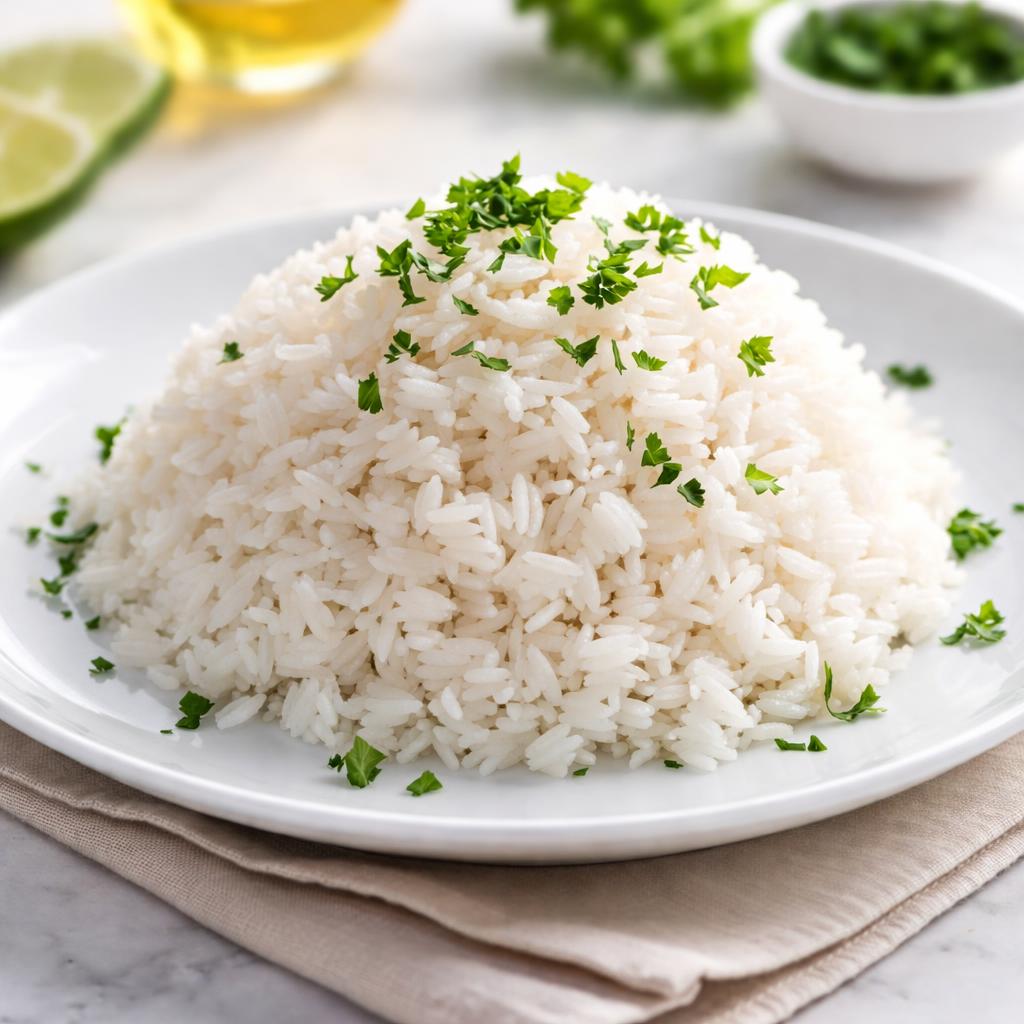
Rice
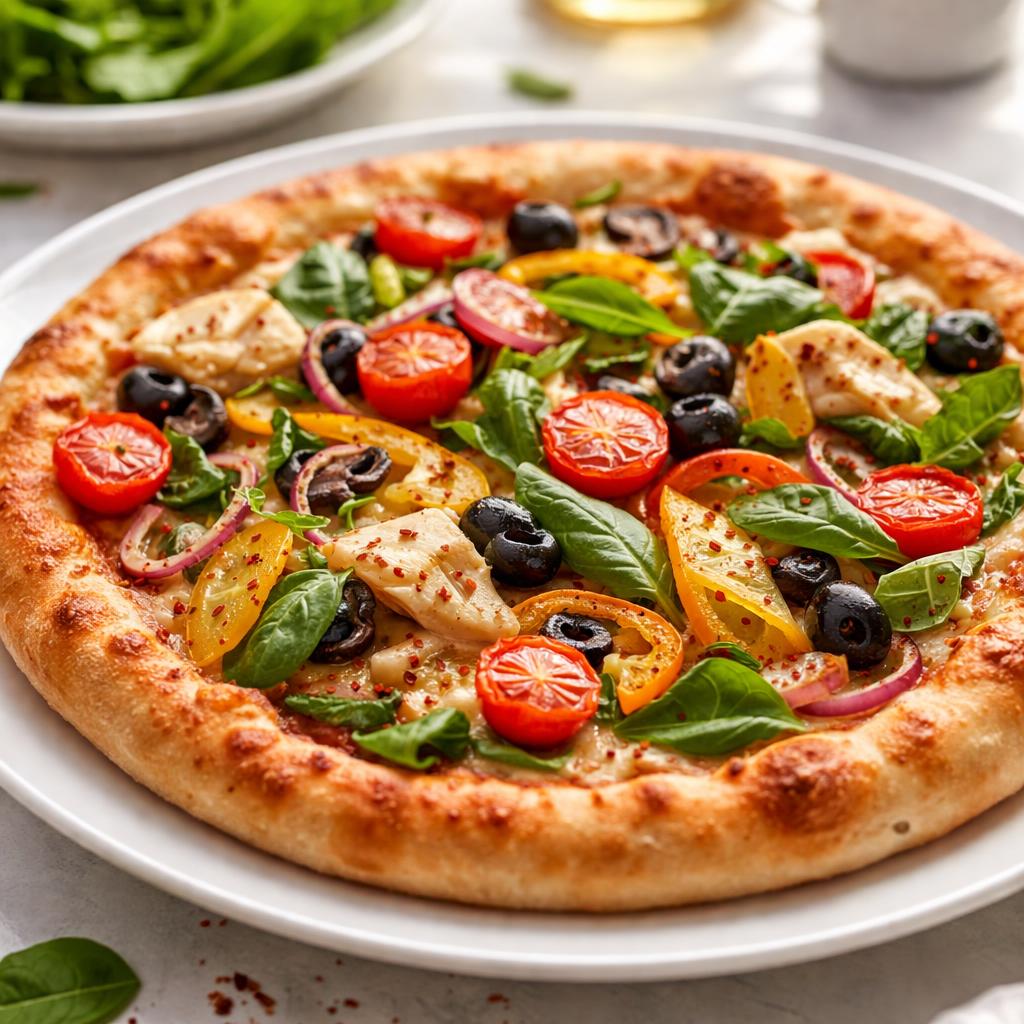
Vegetable Pizza
🎯 Quick Verdict
Rice offers lower calories, making it ideal for weight management. Vegetable pizza, on the other hand, delivers higher protein, fiber, and micronutrients, making it better for overall nutrient density and satiety. Choose rice for simple, quick energy and pizza for a more balanced, nutrient-dense meal option.

Smart Nutrition Tracking with SnapCalorie

📊 Nutritional Comparison
Macronutrients
| Nutrient | Food 1 | Food 2 | Winner |
|---|---|---|---|
| Calories | 205 | 300 | ✓ |
| Protein | 4.3g | 12g | ✓ |
| Carbs | 45g | 36g | ✓ |
| Fat | 0.5g | 8g | ✓ |
| Fiber | 0.6g | 4g | ✓ |
Vitamins & Minerals
| Nutrient | Food 1 | Food 2 | Winner |
|---|---|---|---|
| Vitamin A | 0IU | 500IU | ✓ |
| Vitamin C | 0mg | 20mg | ✓ |
| Calcium | 10mg | 200mg | ✓ |
| Iron | 1mg | 1.5mg | ✓ |
🏆 Category Winners
Protein
Pizza contains 12g of protein per serving, nearly 3x that of rice.
Fiber
Pizza offers 4g of fiber compared to 0.6g in rice.
Calories
Rice has 95 fewer calories per serving compared to pizza.
Vitamins
Pizza has superior micronutrient content, including high Vitamin A, C, and calcium.
🥗 Diet Compatibility
Keto
Food 1: Not Compatible
Food 2: Not Compatible
Both are high in carbs.
Vegan
Food 1: Compatible
Food 2: Depends
Rice is inherently vegan, pizza may not be depending on cheese or toppings used.
Gluten Free
Food 1: Compatible
Food 2: Not Compatible
Rice is naturally gluten-free, while pizza crust is typically made with wheat.
Paleo
Food 1: Not Compatible
Food 2: Not Compatible
Both contain grains and are not paleo-friendly.
Low-Carb
Food 1: Not Compatible
Food 2: Not Compatible
Both have high carbohydrate content.
💪 Health Benefits Comparison
Food 1 Benefits
- Low in calories for weight management
- Provides easily digestible energy from carbohydrates
- Naturally gluten-free for those with sensitivities
Food 2 Benefits
- Higher in protein for satiety and muscle repair
- Rich in fiber for digestion and gut health
- Provides essential vitamins like A and C for immune support
✅ The Bottom Line
Choose rice if you are focused on managing calories, eating gluten-free, or need a simple carbohydrate source. Opt for vegetable pizza if you want a nutrient-dense, filling meal with higher protein and vitamins. Balance your choice based on dietary needs and meal composition.
Choose Food 1 for: Weight management, gluten-free diets, simple meals
Choose Food 2 for: Balanced nutrition, satiety, muscle repair


