Rice VS Tortillas
A detailed nutritional comparison
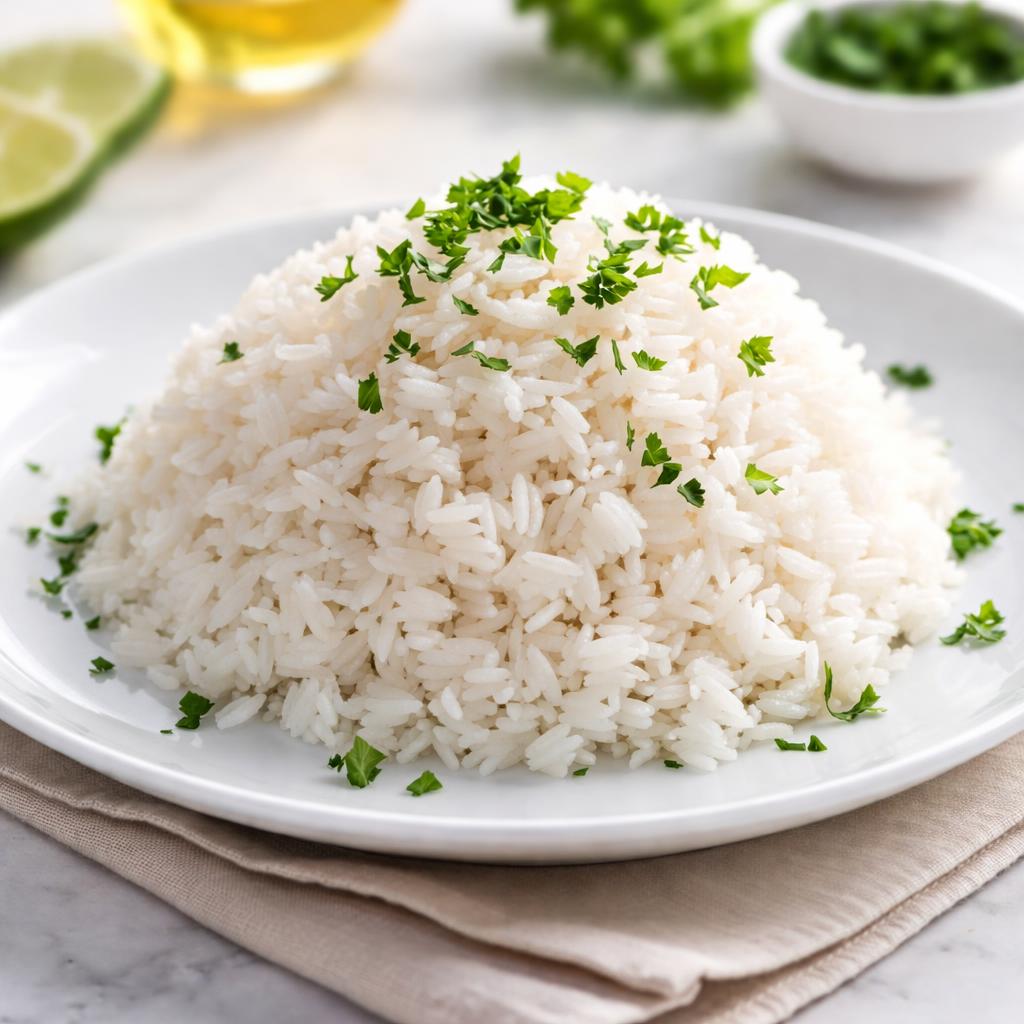
Rice
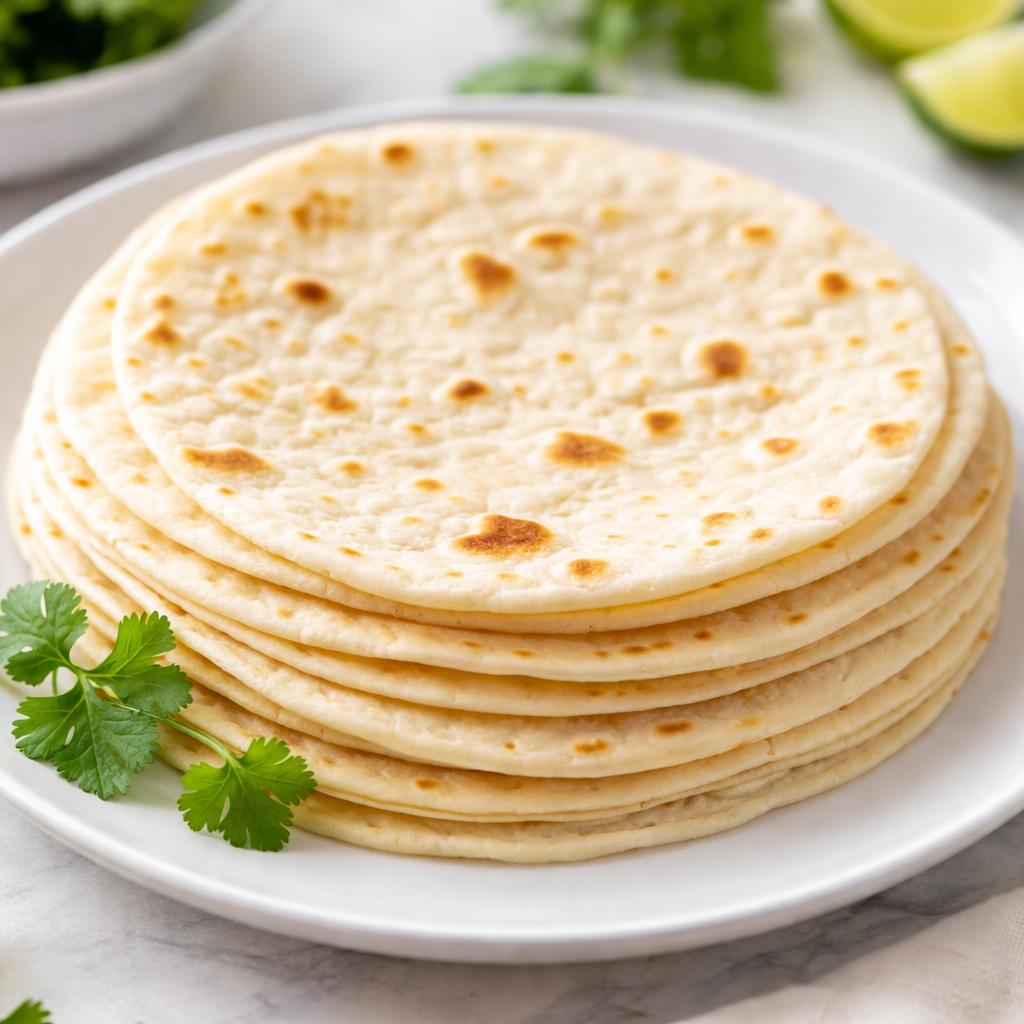
Tortillas
🎯 Quick Verdict
Rice is lower in calories and fat, making it a good choice for low-calorie diets. Tortillas offer more protein and fiber, providing sustained energy and supporting digestion. Both foods are versatile staples with unique strengths depending on dietary needs and cooking preferences.

Smart Nutrition Tracking with SnapCalorie

📊 Nutritional Comparison
Macronutrients
| Nutrient | Food 1 | Food 2 | Winner |
|---|---|---|---|
| Calories | 206 (1 cup cooked) | 140 (1 medium tortilla) | ✓ |
| Protein | 4.5g | 4g | ✓ |
| Carbs | 45g | 25g | ✓ |
| Fat | 0.4g | 3g | ✓ |
| Fiber | 0.6g | 3g | ✓ |
Vitamins & Minerals
| Nutrient | Food 1 | Food 2 | Winner |
|---|---|---|---|
| Vitamin D | 0mcg | 0mcg | − |
| Calcium | 10mg | 50mg | ✓ |
| Iron | 0.4mg | 1mg | ✓ |
🏆 Category Winners
Protein
Rice has slightly more grams of protein per serving.
Fiber
Tortillas contain significantly more fiber.
Calories
Tortillas have fewer calories per serving.
🥗 Diet Compatibility
Keto
Food 1: Not Compatible
Food 2: Not Compatible
Both are high in carbohydrates.
Vegan
Food 1: Compatible
Food 2: Compatible
Both are plant-based foods.
Gluten Free
Food 1: Compatible
Food 2: Not Compatible
Rice is naturally gluten-free, but traditional tortillas often contain gluten.
Paleo
Food 1: Not Compatible
Food 2: Not Compatible
Neither food fits the paleo diet due to processing or high carb content.
Low-Carb
Food 1: Not Compatible
Food 2: Not Compatible
Both foods are high in carbohydrates.
💪 Health Benefits Comparison
Food 1 Benefits
- Low in fat, suitable for heart health.
- Provides a quick source of energy due to high carbohydrate content.
- Gluten-free and easily digestible for most people.
Food 2 Benefits
- Higher fiber content promotes digestive health.
- Contains more calcium and iron for bone health and oxygen transport.
- Versatile base for nutrient-dense wraps and meals.
✅ The Bottom Line
Rice and tortillas both occupy important roles in various diets. Rice is excellent for low-fat eating patterns, while tortillas offer slightly more fiber and are often quicker to prepare for portable meals. Choose rice for lighter, gluten-free meals and tortillas for more fiber and versatility.
Choose Food 1 for: Low-fat diets, gluten-free meals, energy-rich side dishes.
Choose Food 2 for: Quick meals, wraps, fiber-rich eating patterns.


