Rice VS Tapioca Pearls
A detailed nutritional comparison
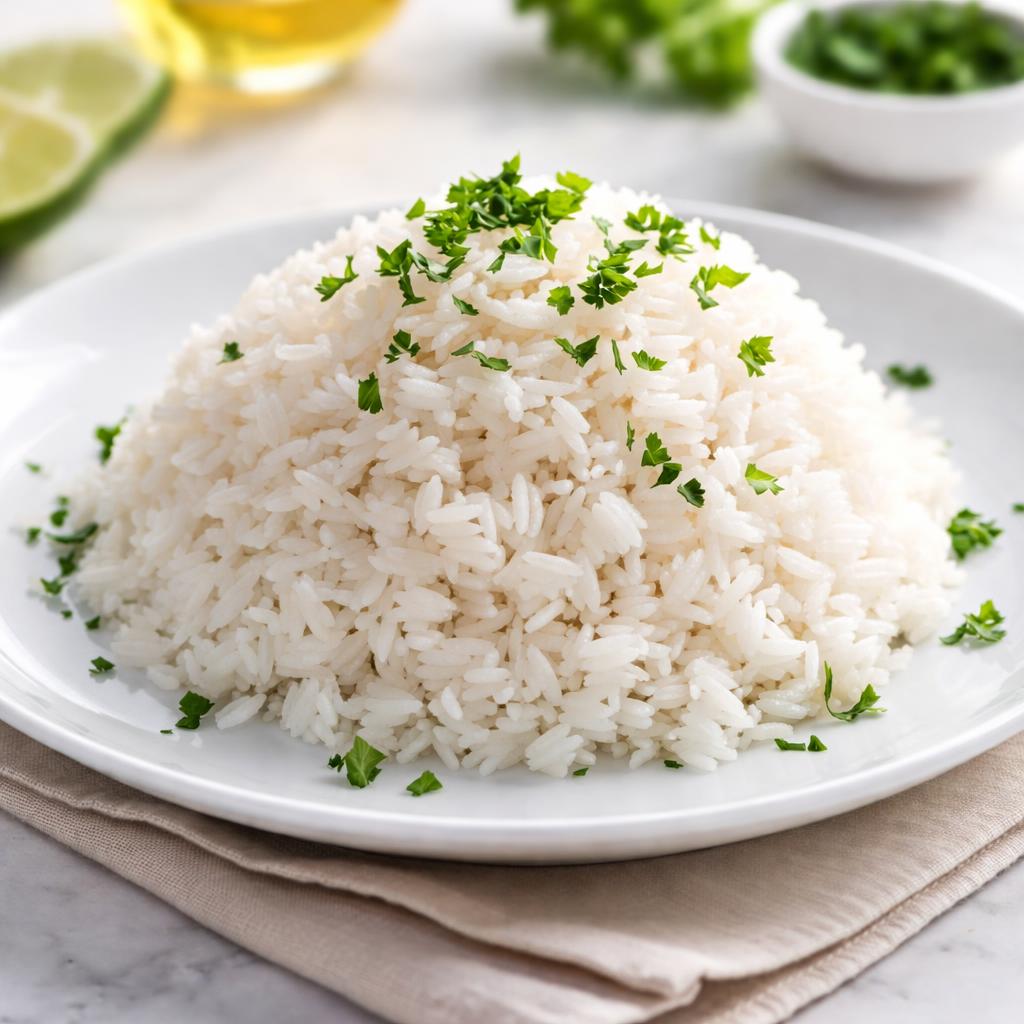
Rice
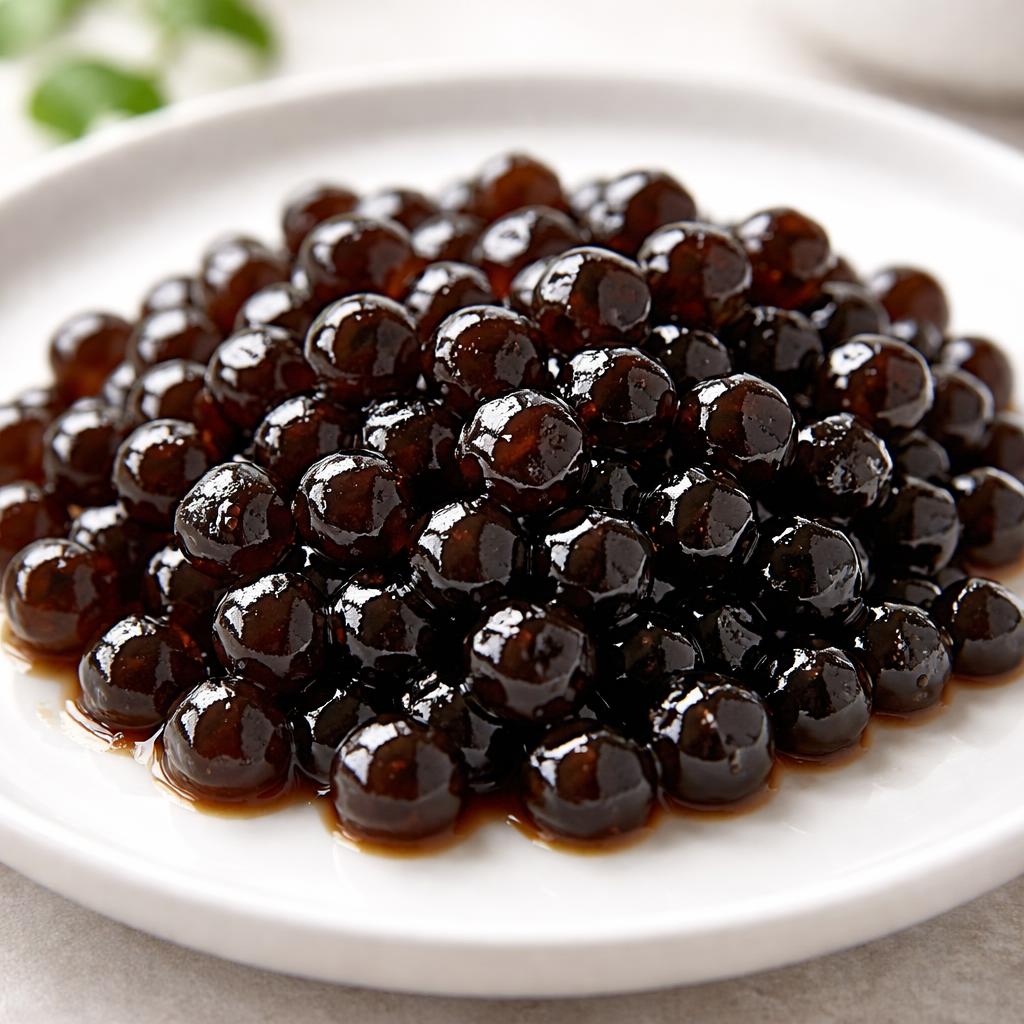
Tapioca Pearls
🎯 Quick Verdict
Rice and tapioca pearls differ significantly in their nutritional profiles. Rice is higher in protein, fiber, and vitamins, making it more suitable for balanced diets. Tapioca pearls are lower in calories and carbs per serving, making them a lighter option, especially for gluten-free dessert recipes or snack preparation. Each food serves a unique purpose depending on your dietary needs.

Smart Nutrition Tracking with SnapCalorie

📊 Nutritional Comparison
Macronutrients
| Nutrient | Food 1 | Food 2 | Winner |
|---|---|---|---|
| Calories | 130 per 100g cooked | 100 per 100g cooked | − |
| Protein | 2.7g per 100g | 0g per 100g | − |
| Carbs | 28g per 100g | 24g per 100g | − |
| Fat | 0.3g per 100g | 0g per 100g | − |
| Fiber | 0.4g per 100g | 0g per 100g | − |
Vitamins & Minerals
| Nutrient | Food 1 | Food 2 | Winner |
|---|---|---|---|
| Vitamin D | 0mcg | 0mcg | − |
| Calcium | 10mg per 100g | 8mg per 100g | − |
| Iron | 1.5mg per 100g | 0.2mg per 100g | − |
🏆 Category Winners
Protein
Rice contains 2.7g of protein per serving, whereas tapioca pearls contain none.
Fiber
Rice offers a small amount of dietary fiber (0.4g) not present in tapioca pearls, aiding digestion.
Calories
Tapioca pearls are 23% lower in calories compared to rice per 100g serving.
Vitamins
Rice contains slightly more calcium and iron, contributing to stronger bones and better oxygen transportation in the body.
🥗 Diet Compatibility
Keto
Food 1: Not Compatible
Food 2: Not Compatible
Both foods are high in carbs, making them unsuitable for keto diets.
Vegan
Food 1: Compatible
Food 2: Compatible
Both foods are plant-based and free of animal products.
Gluten Free
Food 1: Compatible
Food 2: Compatible
Neither rice nor tapioca pearls contain gluten, making them viable options for gluten-free diets.
Paleo
Food 1: Compatible
Food 2: Compatible
Both rice and tapioca pearls fit within a paleo diet that includes minimally processed foods.
Low-Carb
Food 1: Not Compatible
Food 2: Not Compatible
Both foods have high carbohydrate content, not aligning with low-carb diets.
💪 Health Benefits Comparison
Food 1 Benefits
- Provides protein for energy and muscle development
- Contains small amounts of iron for oxygen transport
- Good source of quick-digesting carbohydrates for energy
Food 2 Benefits
- Low-calorie option suitable for light meals
- Gluten-free and allergen-friendly for a wide range of diets
- Offers carbohydrates for sustained energy, especially in desserts
✅ The Bottom Line
Choose rice for more versatile applications such as main dishes, better protein, and vitamin content. Tapioca pearls are ideal for snacks, desserts, and lighter meals when calories are a concern. Both align well with vegan and gluten-free lifestyles.
Choose Food 1 for: Balanced diets, energy needs, nutrient density
Choose Food 2 for: Desserts, lighter meals, allergen-friendly options


