Rice VS Tamarind
A detailed nutritional comparison
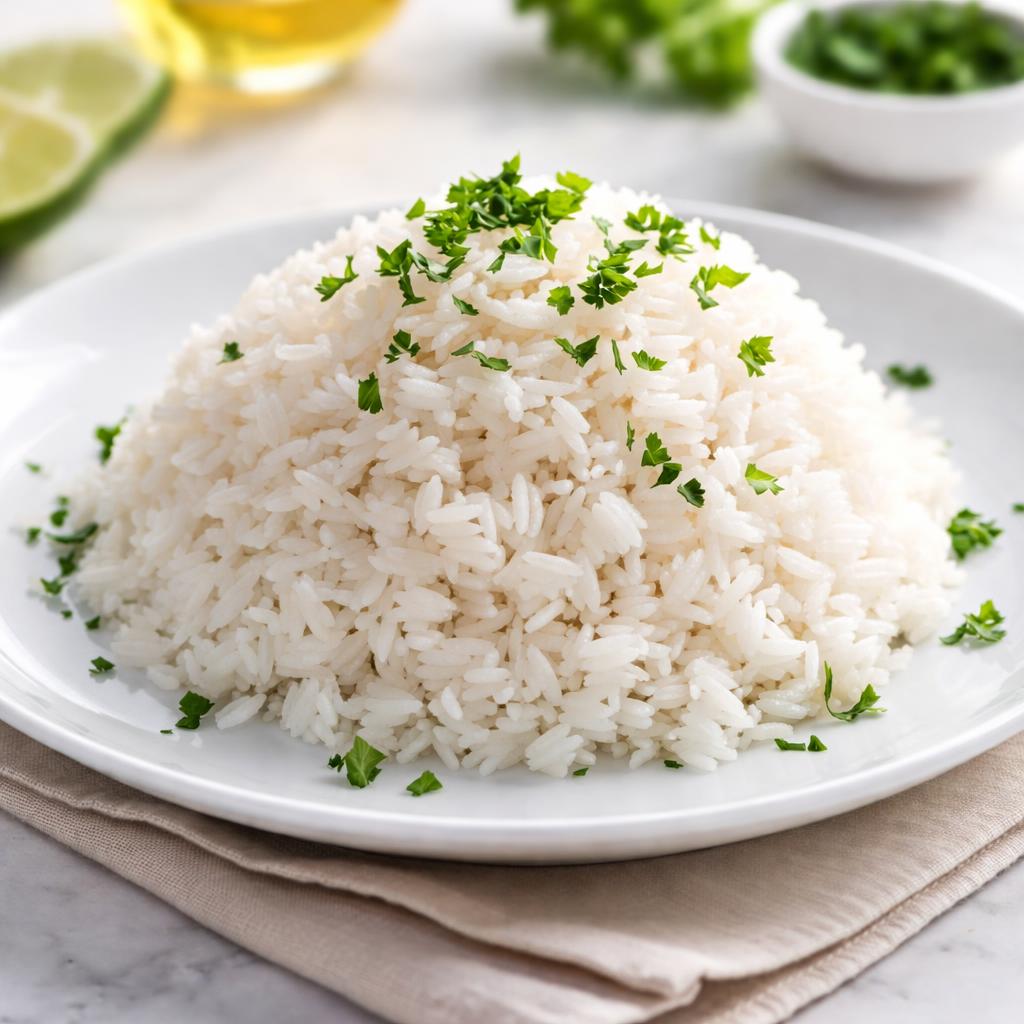
Rice
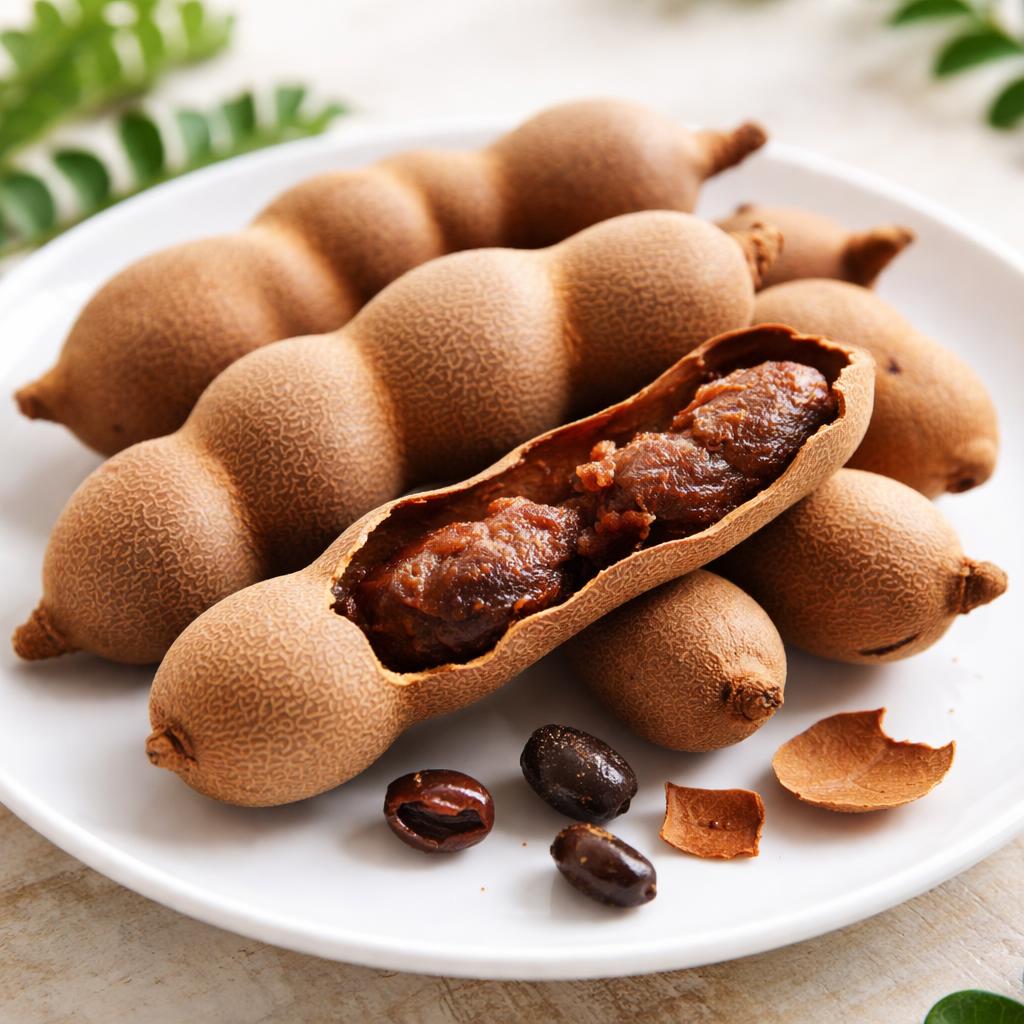
Tamarind
🎯 Quick Verdict
Rice and tamarind differ significantly in their nutritional profiles. Rice is primarily a carbohydrate source with moderate protein and low fiber, making it ideal for energy needs. Tamarind, on the other hand, is lower in calories, higher in fiber, and rich in vitamins like vitamin C and potassium, making it suitable for digestive health and immune support. Choose rice for sustained energy and tamarind for antioxidant-rich flavor enhancements and gut health benefits.

Smart Nutrition Tracking with SnapCalorie

📊 Nutritional Comparison
Macronutrients
| Nutrient | Food 1 | Food 2 | Winner |
|---|---|---|---|
| Calories | 130 (per cooked cup) | 20 (per 1 oz pulp) | ✓ |
| Protein | 2.7g | 1g | ✓ |
| Carbs | 28g | 5.5g | ✓ |
| Fat | 0.3g | 0.1g | ✓ |
| Fiber | 0.4g | 1.6g | ✓ |
Vitamins & Minerals
| Nutrient | Food 1 | Food 2 | Winner |
|---|---|---|---|
| Vitamin C | 0mg | 5mg | ✓ |
| Potassium | 35mg | 170mg | ✓ |
| Calcium | 10mg | 13mg | ✓ |
| Iron | 0mg | 0.6mg | ✓ |
🏆 Category Winners
Protein
Rice provides nearly three times more protein per serving compared to tamarind.
Fiber
Tamarind offers over four times more fiber than rice per serving.
Calories
Tamarind is significantly lower in calories, with only 20 calories per ounce compared to 130 calories in a cooked cup of rice.
Vitamins
Tamarind is richer in key vitamins and minerals like vitamin C, potassium, calcium, and iron.
🥗 Diet Compatibility
Keto
Food 1: Not Compatible
Food 2: Not Compatible
Both rice and tamarind are relatively high in carbohydrates.
Vegan
Food 1: Compatible
Food 2: Compatible
Both rice and tamarind are plant-based foods suitable for vegan diets.
Gluten Free
Food 1: Compatible
Food 2: Compatible
Neither food contains gluten and is safe for gluten-free diets.
Paleo
Food 1: Compatible
Food 2: Compatible
Both foods align with paleo principles as whole, unprocessed foods.
Low-Carb
Food 1: Not Compatible
Food 2: Partially Compatible
Rice is high in carbs, while tamarind has fewer carbs and can fit into limited-carb diets.
💪 Health Benefits Comparison
Food 1 Benefits
- Provides sustained energy from complex carbohydrates
- Source of moderate protein for muscle repair
- Low in fat, making it suitable for calorie-conscious diets
Food 2 Benefits
- High in dietary fiber for improved digestion
- Rich source of antioxidants and vitamin C for immune support
- Contains potassium for supporting heart and muscle health
- Iron content aids in red blood cell production
✅ The Bottom Line
Rice is ideal for energy needs and pairs well with meals as a carbohydrate base, making it suitable for active individuals or those focusing on calorie-controlled diets. Tamarind is a nutrient-dense option that is lower in calories, higher in fiber, and packed with antioxidants, making it an excellent choice for digestive health, flavor enhancement, and immune-boosting benefits.
Choose Food 1 for: Energy needs, meal bases, active lifestyles
Choose Food 2 for: Digestive health, immune support, flavor enhancement


