Rice VS Taco Bell
A detailed nutritional comparison
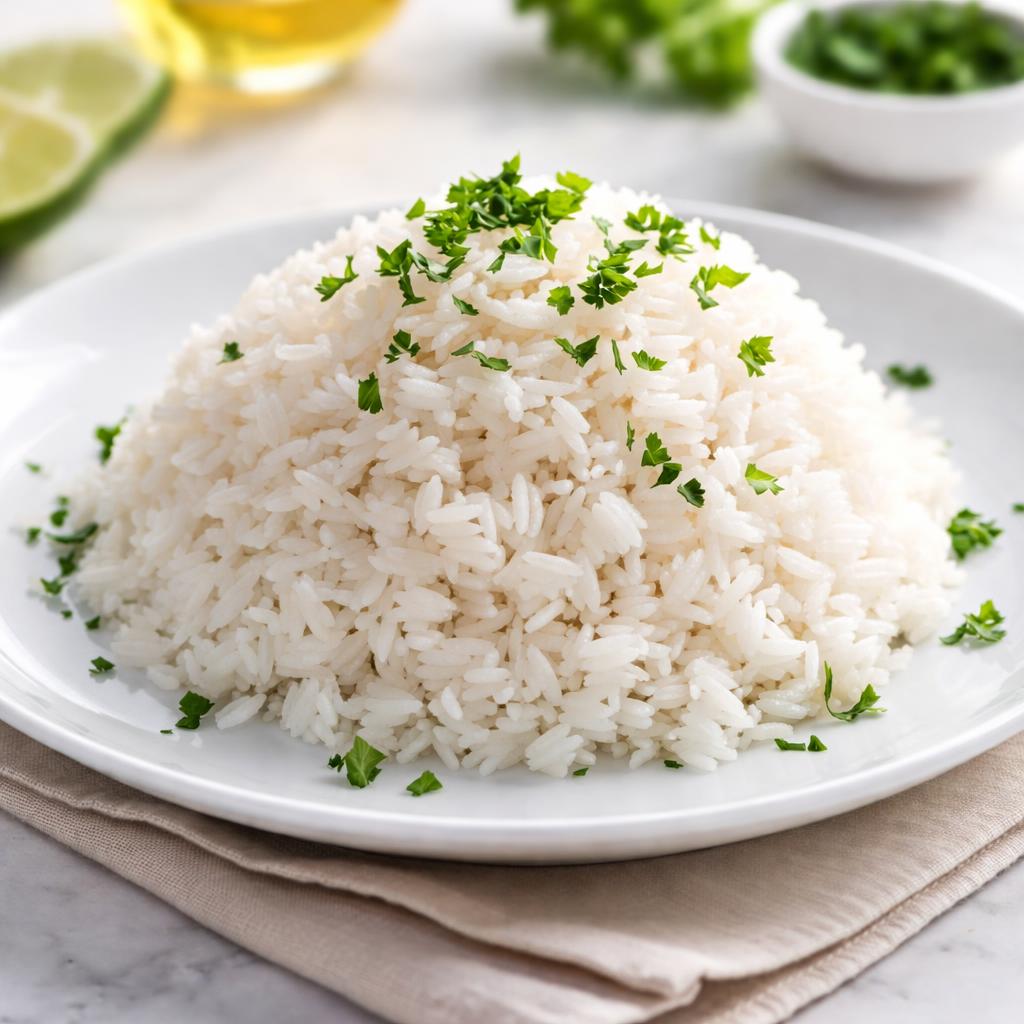
Rice

Taco Bell
🎯 Quick Verdict
Rice is lower in calories, higher in fiber, and free of added fats, making it better for weight control. Taco Bell provides more protein and fats, making it suitable for energy-dense or protein-focused meals. Rice is better for clean eating and meal versatility, while Taco Bell is a quick option for higher calorie needs.

Smart Nutrition Tracking with SnapCalorie

📊 Nutritional Comparison
Macronutrients
| Nutrient | Food 1 | Food 2 | Winner |
|---|---|---|---|
| Calories | 205 | 400 | − |
| Protein | 4.2g | 12g | − |
| Carbs | 44.5g | 50g | − |
| Fat | 0.5g | 18g | − |
| Fiber | 0.6g | 0.4g | − |
Vitamins & Minerals
| Nutrient | Food 1 | Food 2 | Winner |
|---|---|---|---|
| Vitamin D | 0mcg | 0.2mcg | − |
| Calcium | 20mg | 150mg | − |
| Iron | 2mg | 3mg | − |
🏆 Category Winners
Protein
Taco Bell offers 3x more protein per serving compared to rice.
Fiber
Rice has slightly more fiber despite being lower calorie.
Calories
Rice provides half the calories of a typical Taco Bell serving.
Vitamins
Taco Bell contains more calcium, iron, and trace amounts of Vitamin D.
🥗 Diet Compatibility
Keto
Food 1: Not Compatible
Food 2: Not Compatible
Both are high in carbs and not keto-friendly.
Vegan
Food 1: Compatible
Food 2: Not Compatible
Rice is plant-based, but Taco Bell commonly includes animal products.
Gluten Free
Food 1: Compatible
Food 2: Not Compatible
Full rice is gluten-free; Taco Bell items may contain gluten.
Paleo
Food 1: Compatible
Food 2: Not Compatible
Rice fits paleo principles; Taco Bell ingredients do not.
Low Carb
Food 1: Not Compatible
Food 2: Not Compatible
Neither option is low-carb due to high carb content.
💪 Health Benefits Comparison
Food 1 Benefits
- Low in fat for heart health
- Provides clean energy from complex carbs
- Gluten-free and easy to digest
Food 2 Benefits
- High in protein to support muscle growth
- Contains calcium for bone health
- Rich in iron for oxygen transport
✅ The Bottom Line
Rice is ideal for those seeking a lower calorie, high carb, vegan, or paleo-friendly option without added fats. Taco Bell, on the other hand, is better for quick protein-rich meals in higher calorie diets. Both have unique strengths depending on dietary goals and convenience needs.
Choose Food 1 for: Clean eating, vegan diets, weight management
Choose Food 2 for: Quick energy, protein focus, indulgence


