Rice VS Sweet Potato Noodles
A detailed nutritional comparison
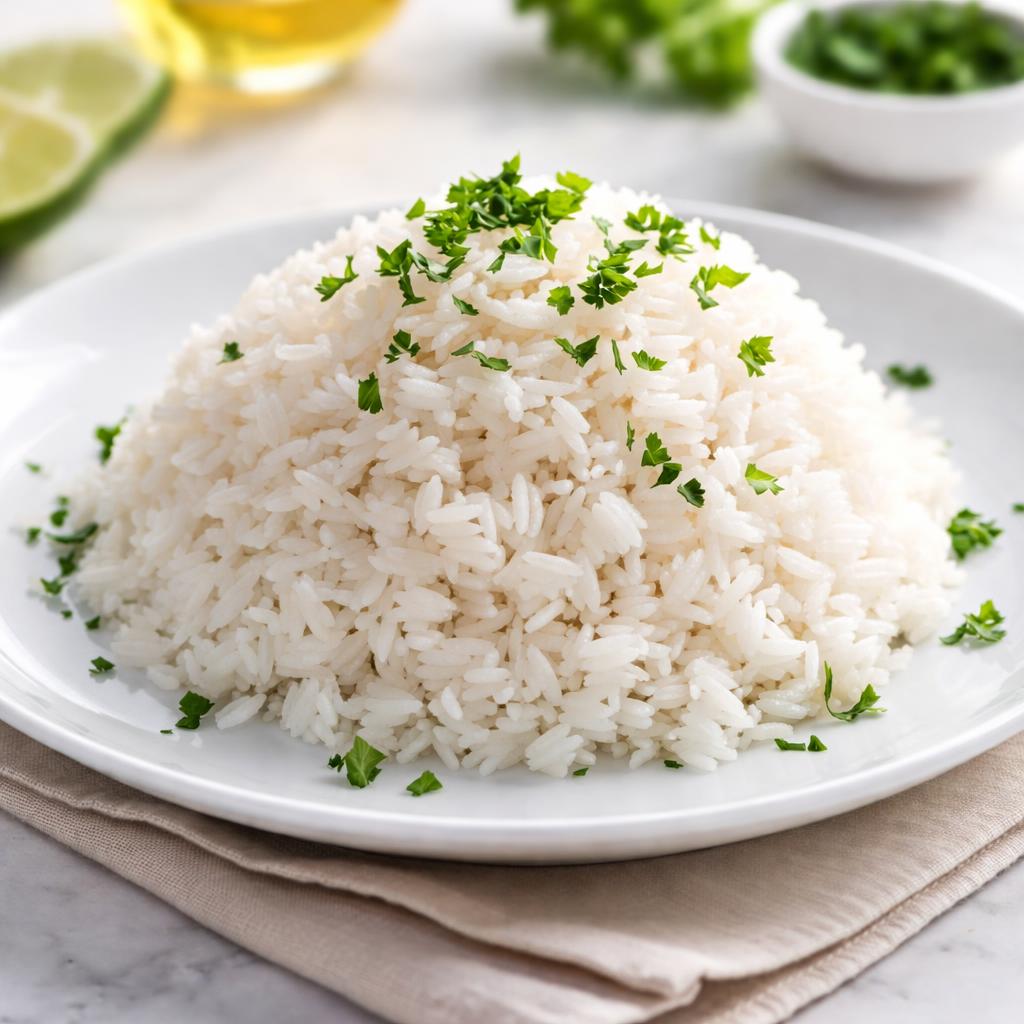
Rice
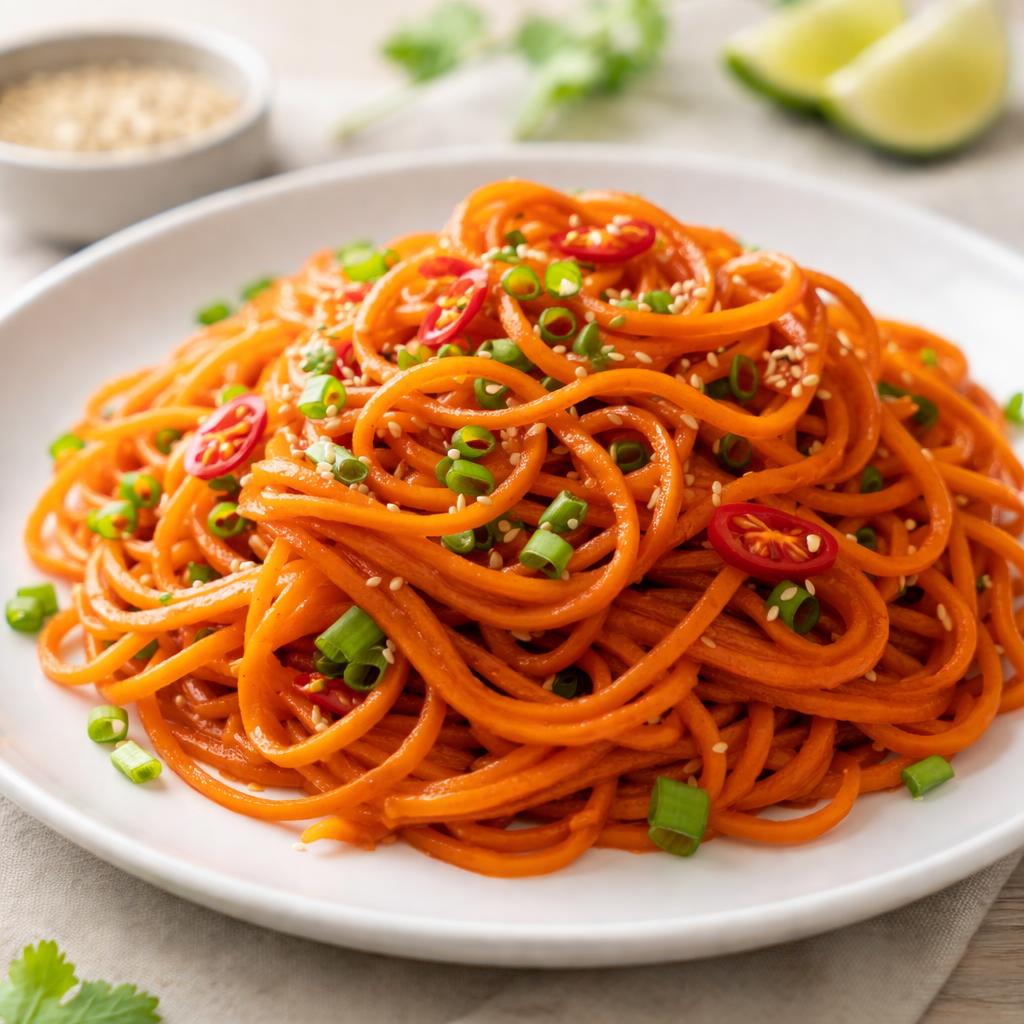
Sweet Potato Noodles
🎯 Quick Verdict
Rice is lower in calories and slightly higher in protein, making it a good choice for energy-controlled meals. Sweet potato noodles are richer in fiber and micronutrients like vitamin A, ideal for better digestion and nutrient diversity. Both are gluten-free and versatile but suit different dietary priorities.

Smart Nutrition Tracking with SnapCalorie

📊 Nutritional Comparison
Macronutrients
| Nutrient | Food 1 | Food 2 | Winner |
|---|---|---|---|
| Calories | 130 per 100g | 150 per 100g | − |
| Protein | 2.7g per 100g | 1.3g per 100g | − |
| Carbs | 28g per 100g | 35g per 100g | − |
| Fat | 0.3g per 100g | 0g per 100g | − |
| Fiber | 0.4g per 100g | 2g per 100g | − |
Vitamins & Minerals
| Nutrient | Food 1 | Food 2 | Winner |
|---|---|---|---|
| Vitamin A | 0 IU | 2400 IU per 100g | − |
| Vitamin C | 0mg | 2.4mg per 100g | − |
| Calcium | 10mg per 100g | 20mg per 100g | − |
| Iron | 1mg per 100g | 0.5mg per 100g | − |
🏆 Category Winners
Protein
Rice provides over twice the protein compared to sweet potato noodles (2.7g vs 1.3g per 100g).
Fiber
Sweet potato noodles contain five times more fiber than rice (2g vs 0.4g per 100g).
Calories
Rice has 13% fewer calories compared to sweet potato noodles (130 vs 150 per 100g).
Vitamins
Sweet potato noodles are significantly higher in vitamin A and offer trace amounts of vitamin C, which rice lacks entirely.
🥗 Diet Compatibility
Keto
Food 1: Not Compatible
Food 2: Not Compatible
Both foods are high in carbohydrates and not suitable for keto diets.
Vegan
Food 1: Compatible
Food 2: Compatible
Both rice and sweet potato noodles are plant-based and vegan-friendly.
Gluten Free
Food 1: Compatible
Food 2: Compatible
Neither rice nor sweet potato noodles contain gluten.
Paleo
Food 1: Not Compatible
Food 2: Compatible
Rice is excluded from Paleo diets, while sweet potato noodles are acceptable.
Low Carb
Food 1: Not Compatible
Food 2: Not Compatible
Both foods are moderate-to-high in carbohydrates and unsuitable for low-carb diets.
💪 Health Benefits Comparison
Food 1 Benefits
- Provides quick and sustained energy from carbohydrates.
- Low in fat, supportive of heart health.
- Gluten-free, suitable for individuals with gluten sensitivities.
Food 2 Benefits
- High in fiber, promoting healthier digestion.
- Rich in vitamin A, supporting eye health and immune function.
- Contains antioxidants, which protect against cellular damage.
✅ The Bottom Line
Choose rice for lower-calorie meals with slightly more protein, especially for energy-dense diets or post-workout recovery. Opt for sweet potato noodles when fiber, vitamins (particularly vitamin A), and nutrient variety are prioritized in your meal plan.
Choose Food 1 for: Energy control, high-protein meals, quick digestion
Choose Food 2 for: Digestive health, eye health, nutrient-rich diets


