Rice VS Stuffing
A detailed nutritional comparison
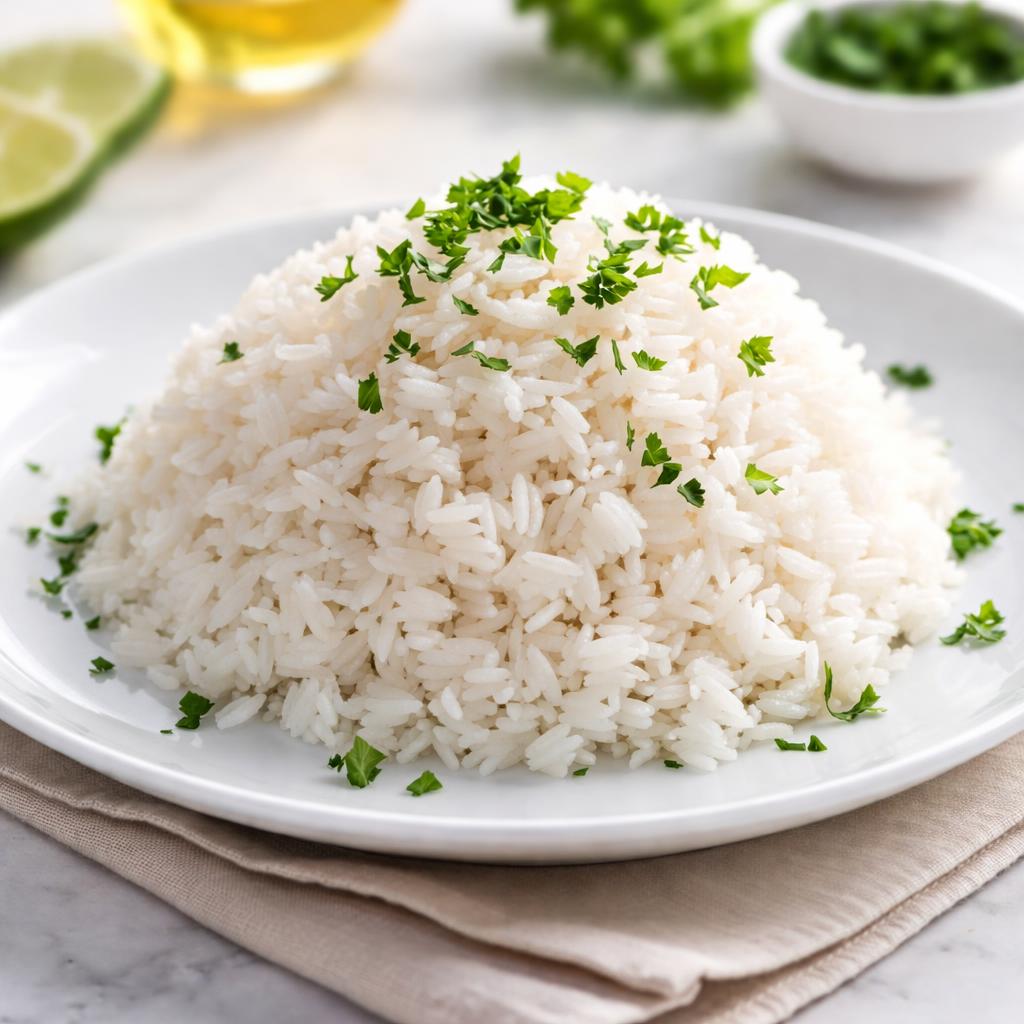
Rice
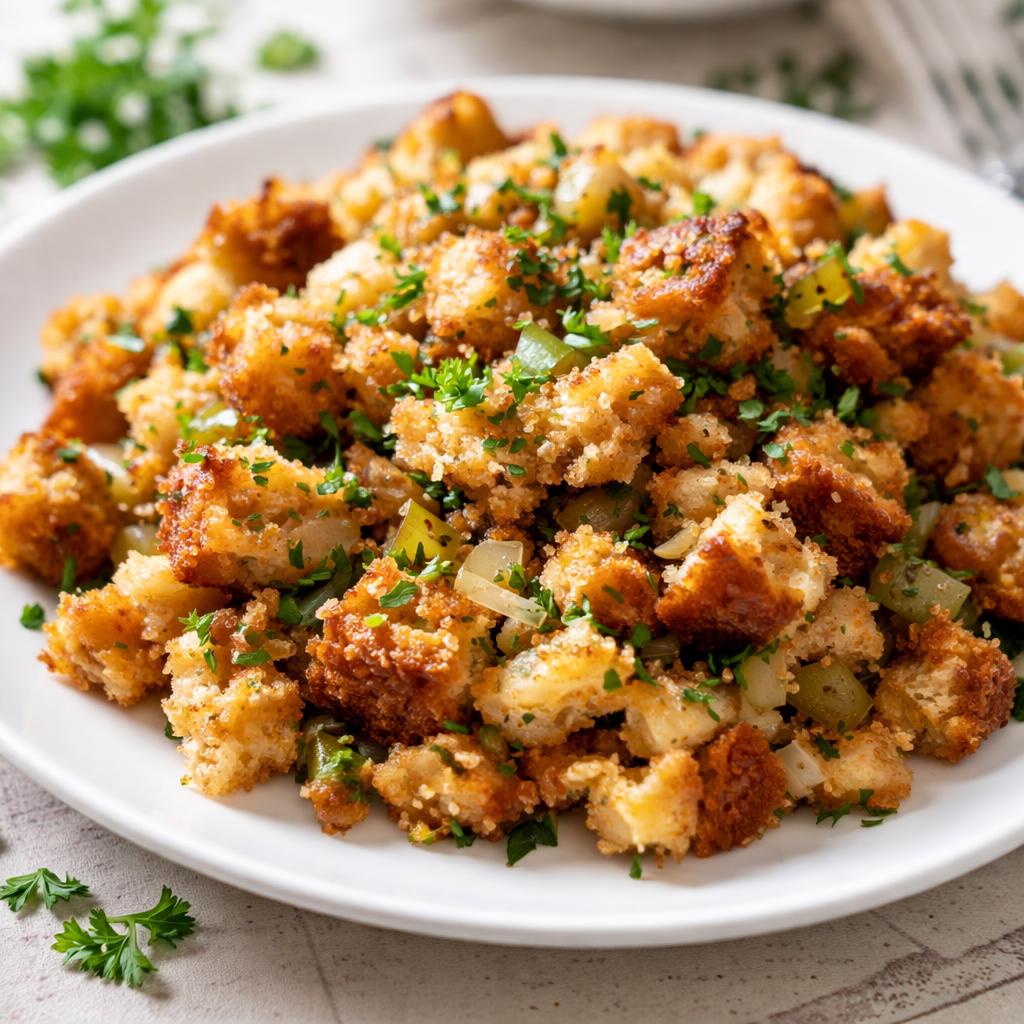
Stuffing
🎯 Quick Verdict
Rice is simpler and lower in calories, making it suitable for weight loss and low-carb diets. Stuffing offers a richer nutritional profile with more protein and fiber, ideal for a more filling and nutrient-dense side dish. Both have unique benefits depending on dietary needs and flavor preferences.

Smart Nutrition Tracking with SnapCalorie

📊 Nutritional Comparison
Macronutrients
| Nutrient | Food 1 | Food 2 | Winner |
|---|---|---|---|
| Calories | 130 | 250 | ✓ |
| Protein | 2.7g | 6g | ✓ |
| Carbs | 28g | 30g | ✓ |
| Fat | 0.3g | 10g | ✓ |
| Fiber | 0.4g | 3g | ✓ |
Vitamins & Minerals
| Nutrient | Food 1 | Food 2 | Winner |
|---|---|---|---|
| Vitamin C | 0mg | 2mg | ✓ |
| Vitamin A | 0mcg | 50mcg | ✓ |
| Calcium | 10mg | 25mg | ✓ |
| Iron | 0.2mg | 2mg | ✓ |
🏆 Category Winners
Protein
Stuffing contains over twice the protein per serving compared to rice.
Fiber
Stuffing is higher in fiber, supporting better digestion.
Calories
Rice is significantly lower in calories.
Vitamins
Stuffing has more vitamins like Vitamin A, C, and calcium.
🥗 Diet Compatibility
Keto
Food 1: Not Compatible
Food 2: Not Compatible
Both foods are high in carbs and do not fit a keto diet.
Vegan
Food 1: Compatible
Food 2: Check Ingredients
Rice is plant-based; stuffing may contain animal-based broth or butter.
Gluten Free
Food 1: Compatible
Food 2: Not Compatible
Rice is naturally gluten-free, while stuffing often contains wheat-based bread.
Paleo
Food 1: Compatible
Food 2: Not Compatible
Rice fits the paleo diet; stuffing does not due to processed ingredients.
Low-Carb
Food 1: Not Compatible
Food 2: Not Compatible
Both foods are high in carbs and unsuitable for low-carb diets.
💪 Health Benefits Comparison
Food 1 Benefits
- Provides quick energy from complex carbohydrates
- Low in fat and cholesterol, supporting heart health
- Naturally gluten-free, suitable for individuals with gluten intolerance
Food 2 Benefits
- Higher in protein, supports muscle maintenance
- Contains fiber for improved digestion
- Rich in vitamins and minerals like Calcium, Iron, and Vitamin A
✅ The Bottom Line
Choose rice for lighter meals and low-calorie options, especially for weight management or gluten-free diets. Opt for stuffing when looking for a more nutrient-dense, filling side dish with higher protein and fiber, particularly for festive meals.
Choose Food 1 for: Weight management, gluten-free diets, simple meals
Choose Food 2 for: Festive occasions, nutrient-dense side dishes, muscle maintenance


