Rice VS Steamed Mixed Vegetables
A detailed nutritional comparison
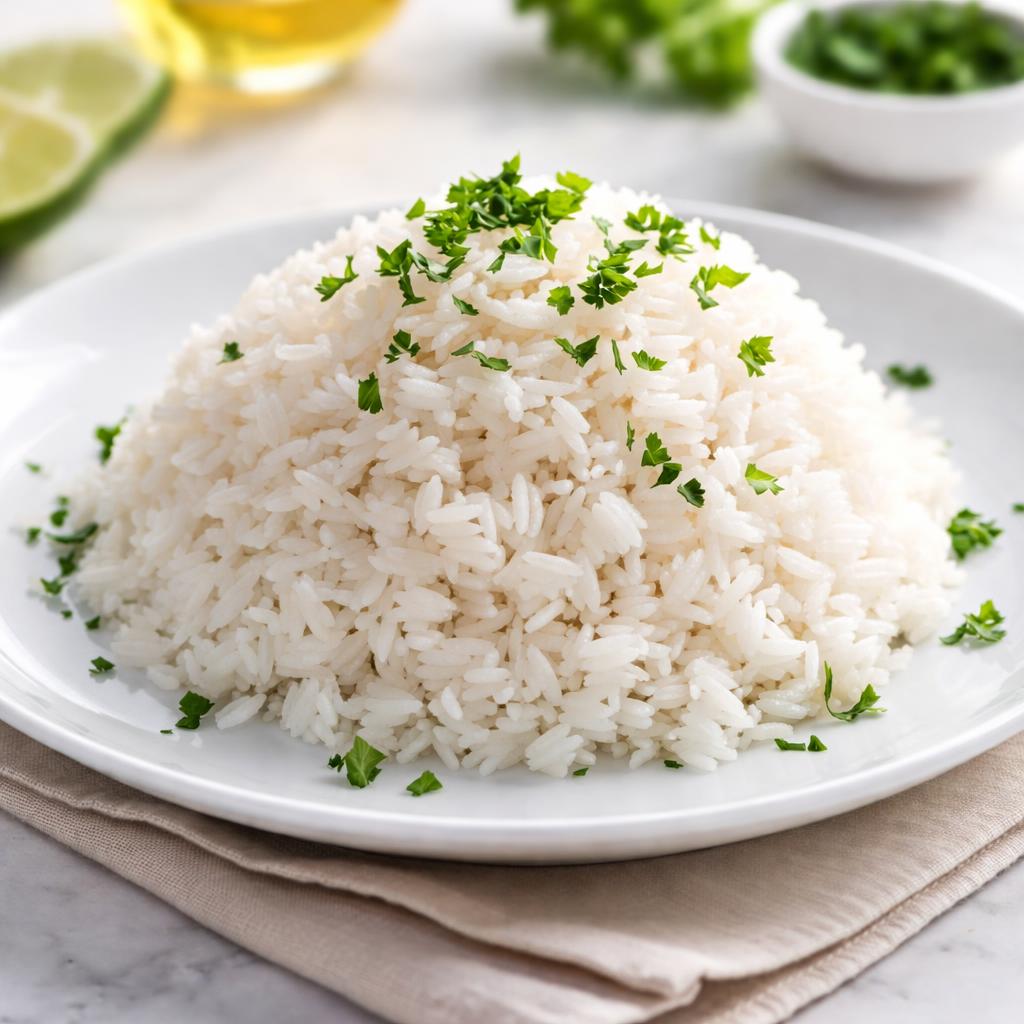
Rice
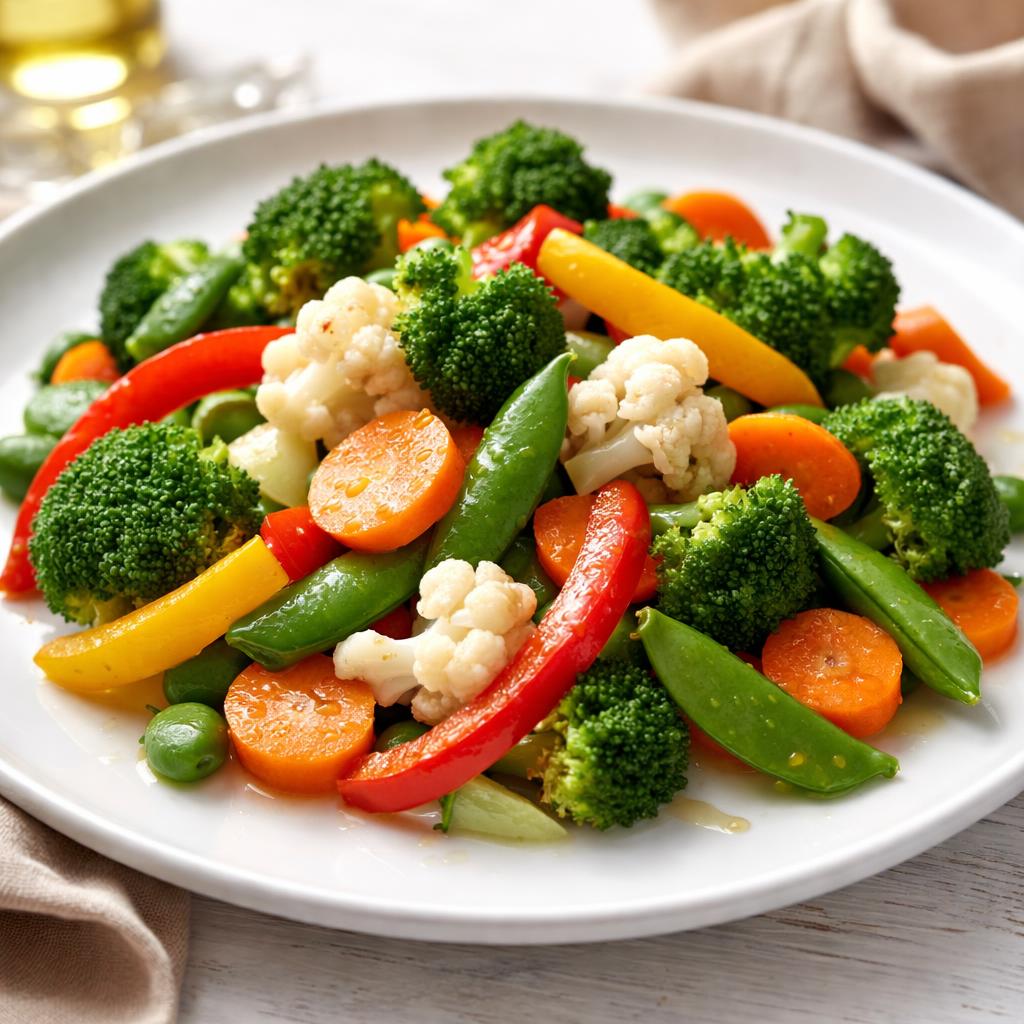
Steamed Mixed Vegetables
🎯 Quick Verdict
Steamed mixed vegetables are generally more nutrient dense than rice, offering more fiber and fewer calories. Rice is higher in carbohydrates, making it a good energy source, but more suitable for those needing extra calories. Vegetables are versatile and complement a variety of diets while providing essential vitamins and minerals.

Smart Nutrition Tracking with SnapCalorie

📊 Nutritional Comparison
Macronutrients
| Nutrient | Food 1 | Food 2 | Winner |
|---|---|---|---|
| Calories | 205 per cup | 50 per cup | ✓ |
| Protein | 4.5g per cup | 4g per cup | − |
| Carbs | 45g per cup | 10g per cup | ✓ |
| Fat | 0.4g per cup | 0.5g per cup | − |
| Fiber | 0.6g per cup | 4g per cup | ✓ |
Vitamins & Minerals
| Nutrient | Food 1 | Food 2 | Winner |
|---|---|---|---|
| Vitamin C | 0mg | 60mg per cup | ✓ |
| Vitamin A | 0IU | 3000IU per cup | ✓ |
| Iron | 0.5mg per cup | 1.1mg per cup | ✓ |
🏆 Category Winners
Protein
Both foods provide roughly equal protein per serving.
Fiber
Food2 has over 6x more fiber per serving than rice.
Calories
Food2 has significantly fewer calories per serving compared to rice.
Vitamins
Food2 is higher in key vitamins like Vitamin C and Vitamin A.
🥗 Diet Compatibility
Keto
Food 1: Not Compatible
Food 2: Compatible
Food2 is low in carbs, whereas rice is high-carb.
Vegan
Food 1: Compatible
Food 2: Compatible
Both foods are plant-based and vegan-friendly.
Gluten Free
Food 1: Compatible
Food 2: Compatible
Neither contains gluten.
Paleo
Food 1: Not Compatible
Food 2: Compatible
Rice is considered a grain and not approved for paleo diets, while vegetables are allowed.
Low-Carb
Food 1: Not Compatible
Food 2: Compatible
Food2 fits low-carb diets due to its minimal carbohydrate content.
💪 Health Benefits Comparison
Food 1 Benefits
- Provides quick energy due to high carbohydrates
- Low in fat, suitable for low-fat diets
- Versatile and easy to pair with various dishes
Food 2 Benefits
- High in fiber for digestive health
- Packed with vitamins like Vitamin C and Vitamin A for immunity and vision
- Low-calorie option beneficial for weight management
- Rich in antioxidants for overall health enhancement
✅ The Bottom Line
Steamed mixed vegetables offer more nutrients, fewer calories, and higher fiber compared to rice, making them the healthier option overall. Choose rice for energy-heavy meals or when carbohydrates are the priority, and steamed vegetables for nutrient density and better diet compatibility.
Choose Food 1 for: Energy source, high-calorie meals, pairing with protein-heavy dishes
Choose Food 2 for: Low-calorie diets, nutrient-dense meals, improving overall health


