Rice VS Spicy Tuna
A detailed nutritional comparison
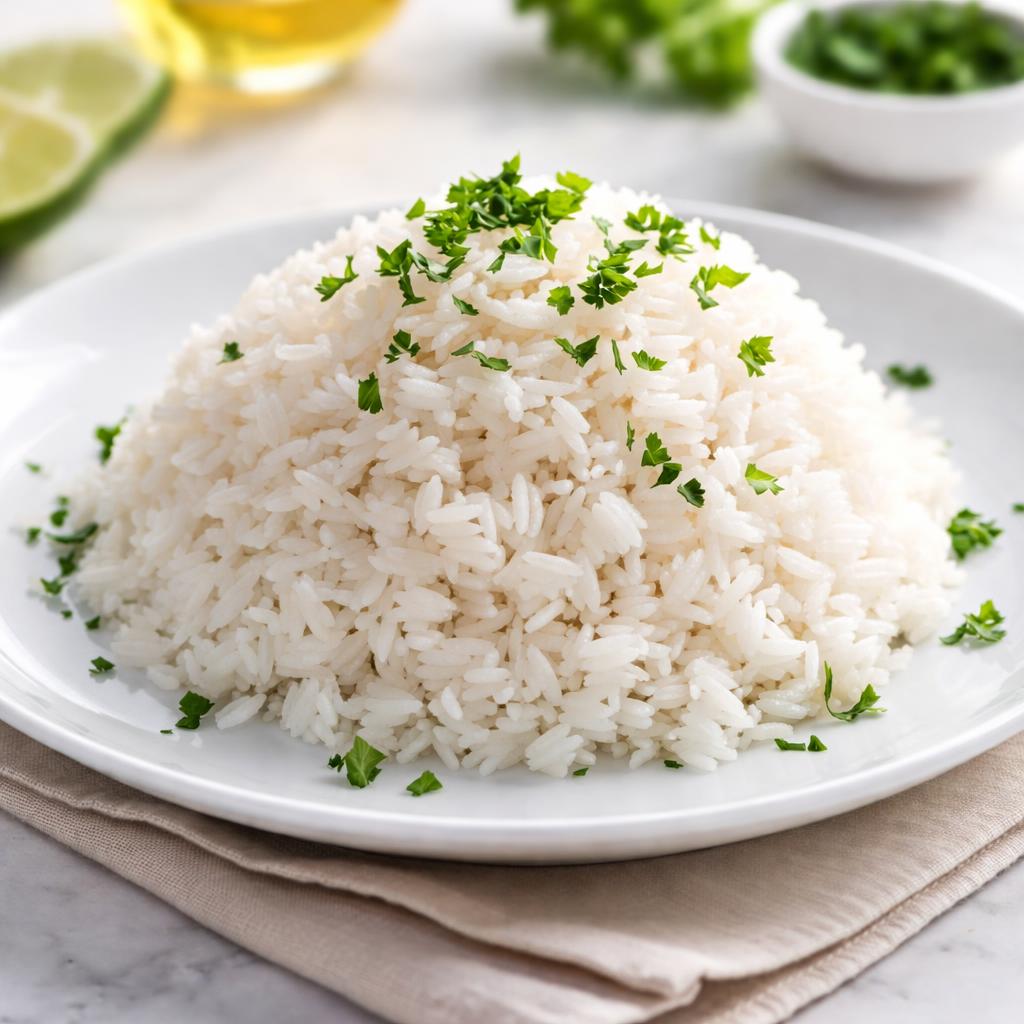
Rice
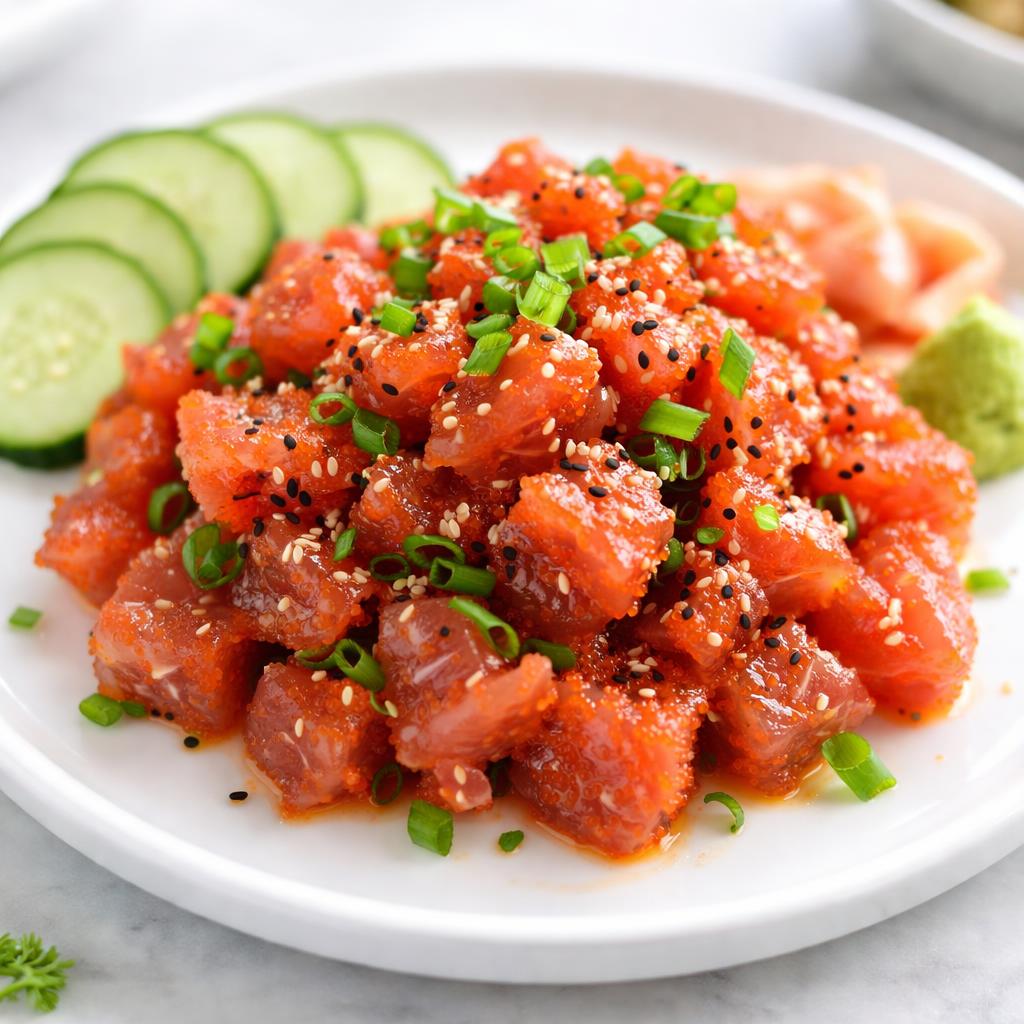
Spicy Tuna
🎯 Quick Verdict
Spicy tuna is notably higher in protein and healthy fats compared to rice, making it a better option for muscle building and overall nutrient density. Rice, on the other hand, is lower in calories and contains more fiber, making it suitable for energy without excess fat or protein, especially for plant-based diets or as a carb complement in meals.

Smart Nutrition Tracking with SnapCalorie

📊 Nutritional Comparison
Macronutrients
| Nutrient | Food 1 | Food 2 | Winner |
|---|---|---|---|
| Calories | 120 | 250 | ✓ |
| Protein | 2.6g | 24g | ✓ |
| Carbs | 28g | 6g | ✓ |
| Fat | 0.3g | 14g | ✓ |
| Fiber | 0.4g | 0.1g | ✓ |
Vitamins & Minerals
| Nutrient | Food 1 | Food 2 | Winner |
|---|---|---|---|
| Vitamin D | 0mcg | 3.2mcg | ✓ |
| Calcium | 10mg | 15mg | ✓ |
| Iron | 0.1mg | 1.1mg | ✓ |
🏆 Category Winners
Protein
Food2 (spicy tuna) has almost 10x more protein than food1 (rice).
Fiber
Food1 provides 4x more fiber than food2 per serving.
Calories
Food1 has 52% fewer calories than food2.
🥗 Diet Compatibility
Keto
Food 1: Not Compatible
Food 2: Compatible
Food2 is low-carb, while food1 is high-carb.
Vegan
Food 1: Compatible
Food 2: Not Compatible
Food1 is plant-based, but food2 is animal-based.
Gluten Free
Food 1: Compatible
Food 2: Compatible
Neither contains gluten.
Paleo
Food 1: Not Compatible
Food 2: Compatible
Food2 is in line with paleo guidelines, whereas rice is not.
Low-Carb
Food 1: Not Compatible
Food 2: Compatible
Food2 contains only 6g of carbs per serving, while food1 has 28g.
💪 Health Benefits Comparison
Food 1 Benefits
- Provides a quick source of energy due to its carbohydrate content
- Low in fat, making it suitable for low-fat diets
- Contains minor amounts of important minerals like manganese
Food 2 Benefits
- High in protein for muscle repair and growth
- Rich in healthy omega-3 fats for heart and brain health
- Contains vitamin D for stronger bones and calcium absorption
- Provides antioxidants and minerals like selenium
✅ The Bottom Line
Rice is better suited for those needing a quick, low-fat carbohydrate source, especially in plant-based diets or energy-focused meals. Spicy tuna is more nutrient-dense, with higher protein, healthy fats, and vitamins, making it ideal for muscle building, keto, and paleo diets. Choose depending on caloric needs and dietary goals.
Choose Food 1 for: High-carb meals, weight loss diets needing low-calorie foods, vegan dietary plans
Choose Food 2 for: High-protein diets, post-workout recovery, heart and brain health


