Rice VS Spicy Mayo
A detailed nutritional comparison
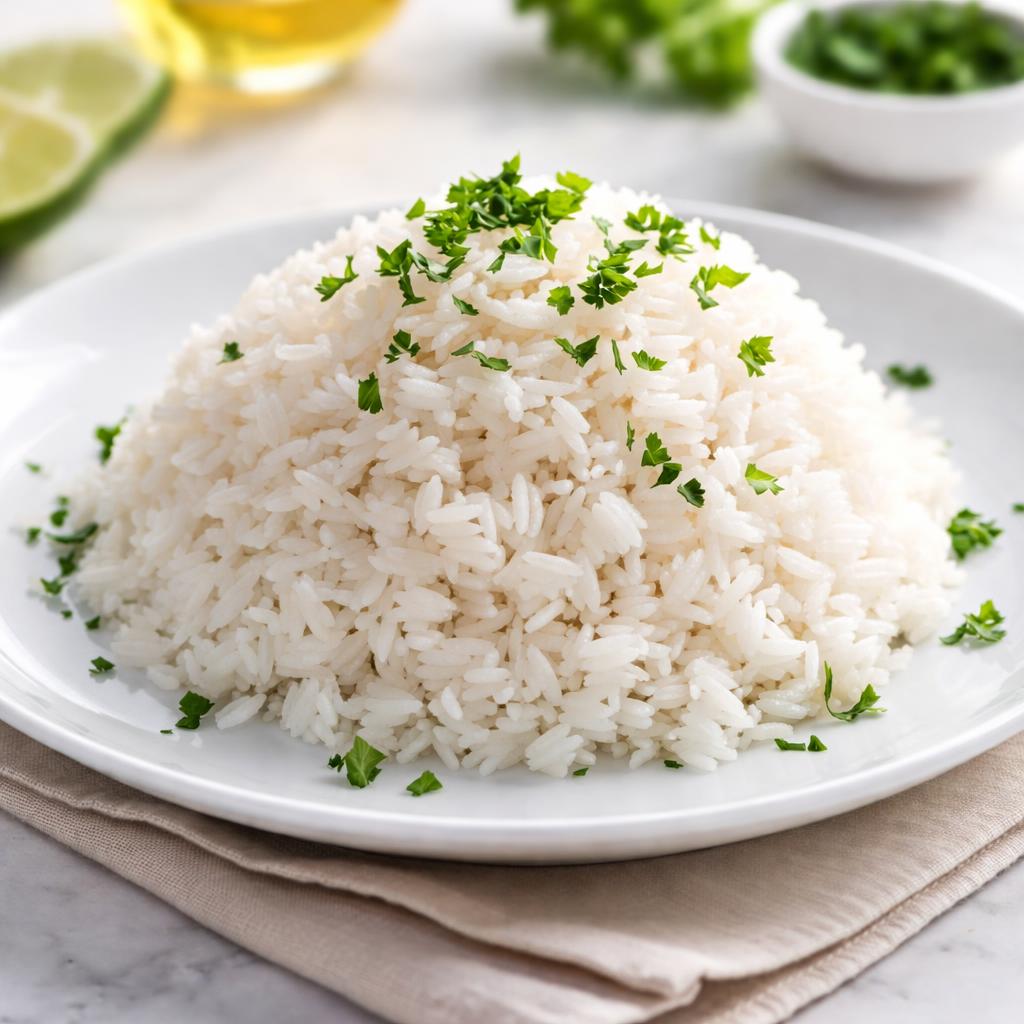
Rice
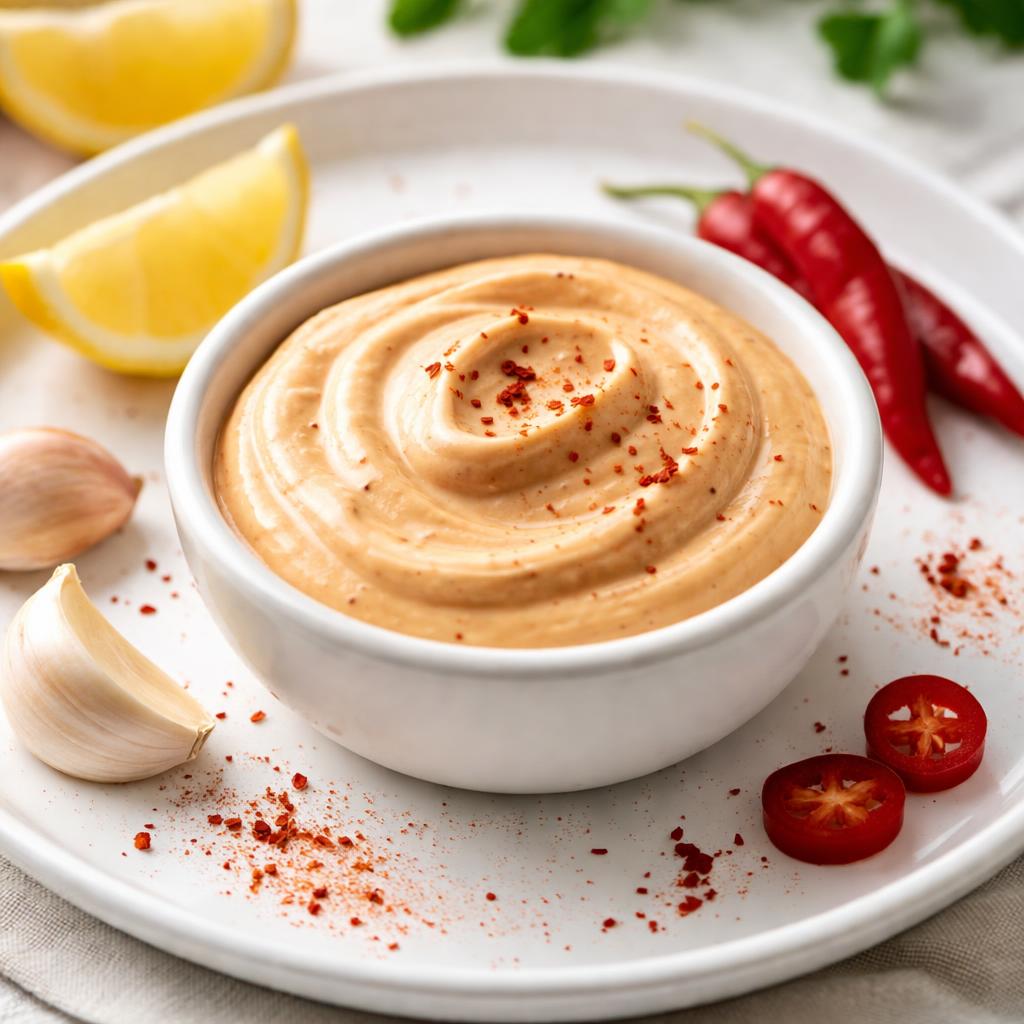
Spicy Mayo
🎯 Quick Verdict
Rice and spicy mayo serve very different dietary roles. Rice is a staple carbohydrate, lower in calories, and higher in fiber, while spicy mayo is much richer in fat and offers more protein. Rice is better suited for energy and digestion, while spicy mayo is more of a flavorful condiment that provides fats and flavor to dishes.

Smart Nutrition Tracking with SnapCalorie

📊 Nutritional Comparison
Macronutrients
| Nutrient | Food 1 | Food 2 | Winner |
|---|---|---|---|
| Calories | 130 per 100g (plain, cooked) | 295 per 100g | ✓ |
| Protein | 2.7g per 100g | 1.8g per 100g | ✓ |
| Carbs | 28.7g per 100g | 1g per 100g | ✓ |
| Fat | 0.3g per 100g | 26g per 100g | ✓ |
| Fiber | 0.4g per 100g | <0.1g per 100g | ✓ |
Vitamins & Minerals
| Nutrient | Food 1 | Food 2 | Winner |
|---|---|---|---|
| Vitamin D | 0mcg | 0.3mcg | ✓ |
| Calcium | 10mg | 15mg | ✓ |
| Iron | 0.2mg | 0.4mg | ✓ |
| Vitamin A | 0mcg | 5mcg | ✓ |
🏆 Category Winners
Protein
Rice contains 2.7g of protein per 100g compared to spicy mayo’s 1.8g.
Fiber
Rice has more fiber than spicy mayo, aiding digestion.
Calories
Rice contains significantly fewer calories per serving.
🥗 Diet Compatibility
Keto
Food 1: Not Compatible
Food 2: Compatible
Spicy mayo is low-carb and high-fat, which fits keto guidelines.
Vegan
Food 1: Compatible
Food 2: Not Compatible
Rice is plant-based, while spicy mayo typically contains eggs.
Gluten Free
Food 1: Compatible
Food 2: Compatible
Neither rice nor spicy mayo contains gluten (check mayo label for added ingredients).
Paleo
Food 1: Compatible
Food 2: Not Compatible
Rice is permitted on some paleo diets, while processed condiments like spicy mayo are not.
Low-Carb
Food 1: Not Compatible
Food 2: Compatible
Spicy mayo is very low in carbs, making it suitable for low-carb diets.
💪 Health Benefits Comparison
Food 1 Benefits
- Provides sustained energy due to high carbohydrate content
- Low in fat and suitable for low-fat diets
- Supports digestion with small amounts of fiber
Food 2 Benefits
- Contains healthy fats for energy and satiety
- Helps enhance the flavor of meals
- Provides trace amounts of vitamins like Vitamin A and D
✅ The Bottom Line
Rice is a versatile carb source, ideal for energy-focused meals and digestive health, while spicy mayo serves as a flavorful condiment with added fats. Choose rice for balanced meals or weight management, and use spicy mayo sparingly to add richness and flavor to dishes.
Choose Food 1 for: Energy boost, balanced meals, fitness recovery
Choose Food 2 for: Flavor enhancement, fatty acid intake, low-carb diets


