Rice VS Snow Peas
A detailed nutritional comparison
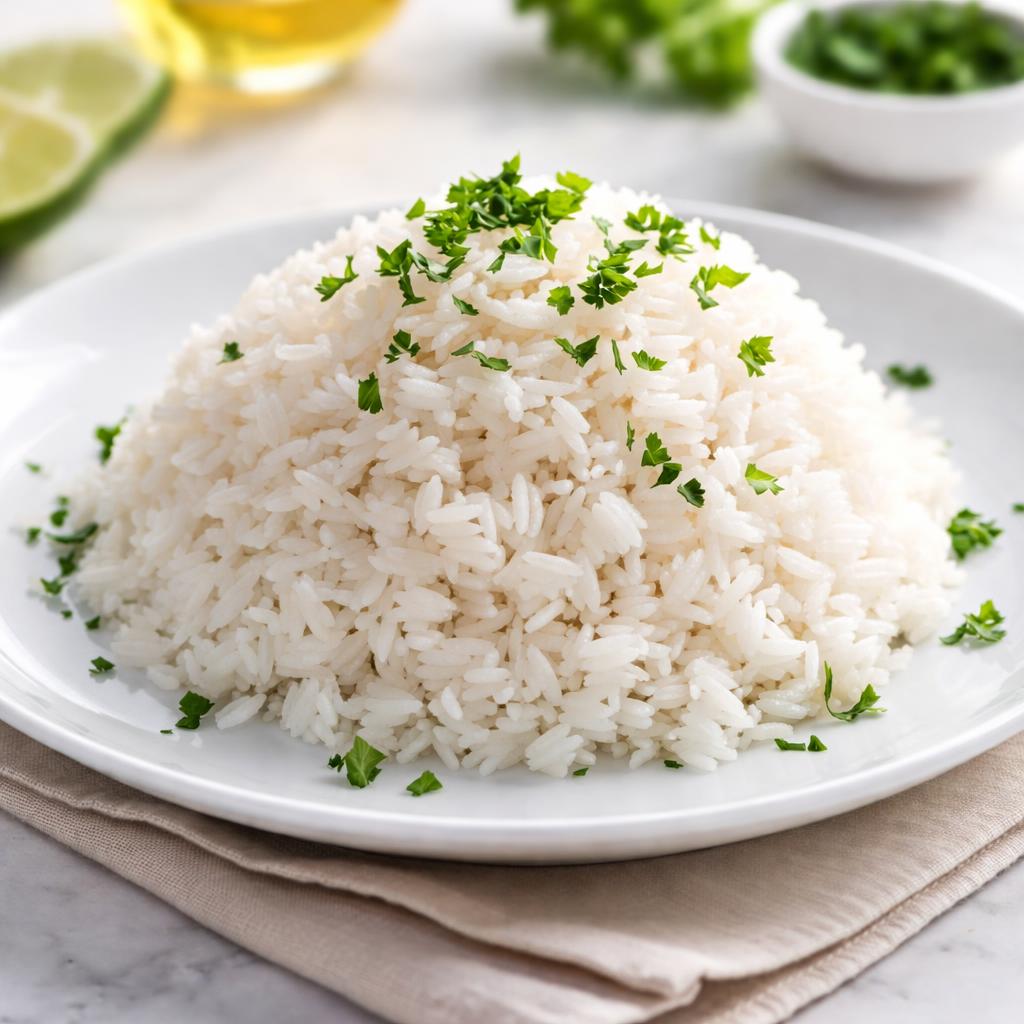
Rice
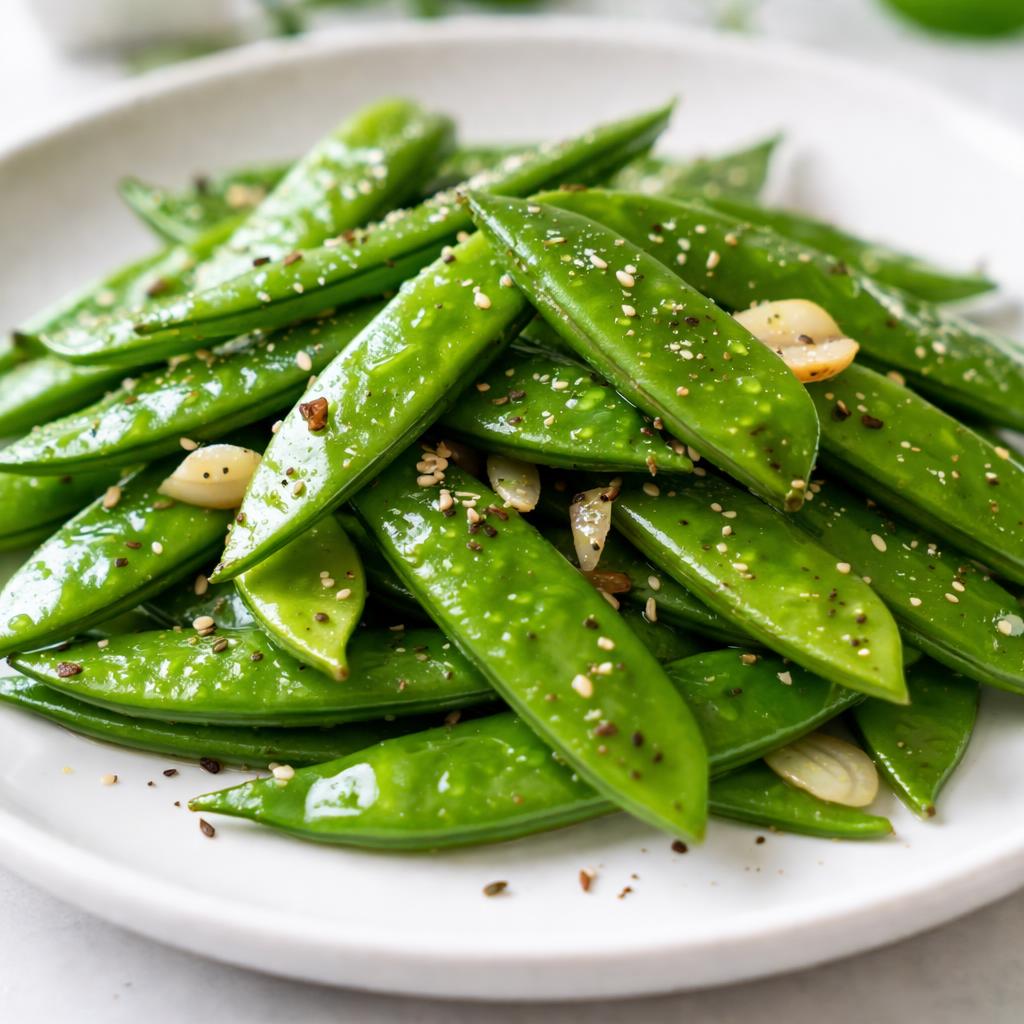
Snow Peas
🎯 Quick Verdict
Rice is a high-carb food that provides quick energy and is a versatile base for meals, while snow peas are lower in calories and carbs but richer in protein, fiber, and several vitamins. Snow peas are excellent for those prioritizing nutrient density, while rice works well for energy and meal versatility.

Smart Nutrition Tracking with SnapCalorie

📊 Nutritional Comparison
Macronutrients
| Nutrient | Food 1 | Food 2 | Winner |
|---|---|---|---|
| Calories | 130 per 100g | 42 per 100g | ✓ |
| Protein | 2.7g per 100g | 2.8g per 100g | ✓ |
| Carbs | 28g per 100g | 7g per 100g | ✓ |
| Fat | 0.3g per 100g | 0.2g per 100g | ✓ |
| Fiber | 0.4g per 100g | 2.6g per 100g | ✓ |
Vitamins & Minerals
| Nutrient | Food 1 | Food 2 | Winner |
|---|---|---|---|
| Vitamin C | 0mg | 60mg | ✓ |
| Vitamin A | 0IU | 765IU | ✓ |
| Iron | 0.2mg per 100g | 1.5mg per 100g | ✓ |
🏆 Category Winners
Protein
Snow peas have slightly higher protein content than rice per 100g.
Fiber
Snow peas contain 6 times more fiber than rice per serving.
Calories
Snow peas provide only 42 calories compared to rice's 130 per 100g.
🥗 Diet Compatibility
Keto
Food 1: Not Compatible
Food 2: Compatible
Rice is high in carbs, while snow peas are low-carb.
Vegan
Food 1: Compatible
Food 2: Compatible
Both foods are plant-based.
Gluten Free
Food 1: Compatible
Food 2: Compatible
Neither contains gluten.
Paleo
Food 1: Not Compatible
Food 2: Compatible
Rice is excluded on paleo diets, snow peas are permitted.
Low Carb
Food 1: Not Compatible
Food 2: Compatible
Snow peas fit into low-carb diets due to their minimal carbohydrate content.
💪 Health Benefits Comparison
Food 1 Benefits
- Great source of quick-digesting energy for athletes or active individuals
- Easily digestible and good for recovery meals
- Neutral flavor makes it versatile for various cuisines
Food 2 Benefits
- Rich in vitamin C, boosting immune function
- High in fiber, supporting gut health and digestion
- Low-calorie and nutrient-dense, ideal for weight management
✅ The Bottom Line
Choose rice when looking for a quick energy boost or a base for a hearty, carb-rich meal. Snow peas are better suited for low-carb diets, nutrient density, and those prioritizing vitamins and fiber for overall health.
Choose Food 1 for: Quick energy, carb-heavy meals, pairing with proteins
Choose Food 2 for: Weight management, immune support, nutrient density, low-carb diets


