Rice VS Shrimp Curry
A detailed nutritional comparison
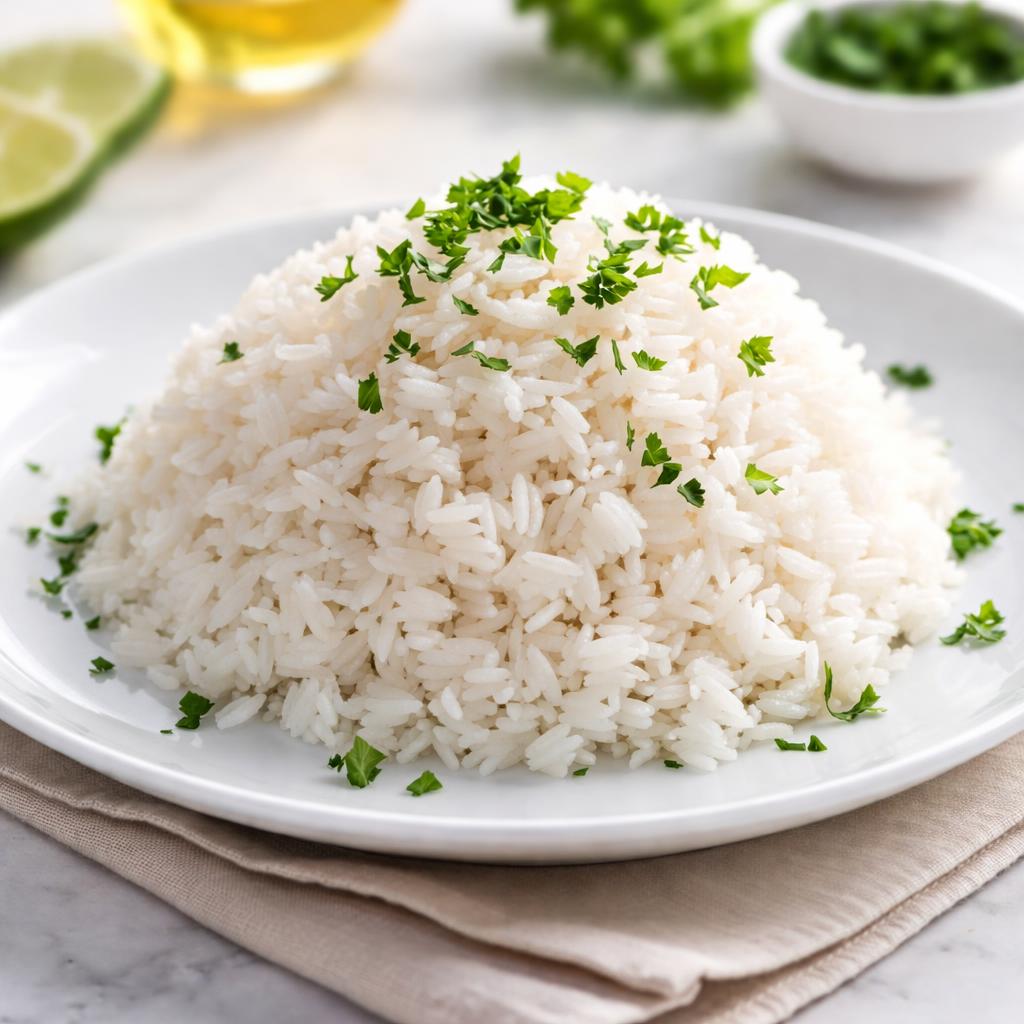
Rice
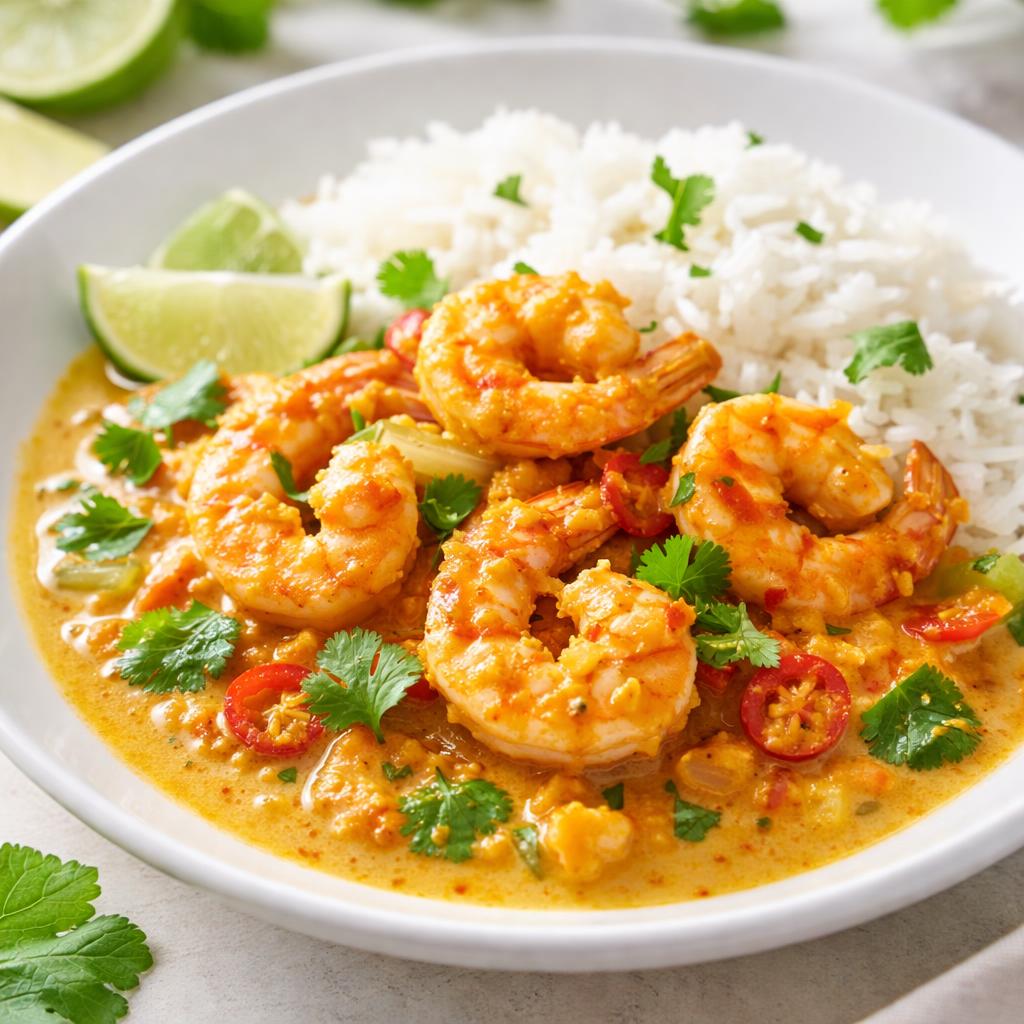
Shrimp Curry
🎯 Quick Verdict
Rice is a simpler, carb-dense food with low protein and moderate fiber, making it ideal for quick energy. Shrimp curry is more nutrient-dense, offering significantly higher protein, healthy fats, and a range of vitamins while being richer in calories. Rice is best for carbohydrate loading, while shrimp curry is better for a protein-focused or balanced meal.

Smart Nutrition Tracking with SnapCalorie

📊 Nutritional Comparison
Macronutrients
| Nutrient | Food 1 | Food 2 | Winner |
|---|---|---|---|
| Calories | 206 (per cup cooked) | 250 (per average serving) | ✓ |
| Protein | 4.2g | 15g | ✓ |
| Carbs | 45g | 10g | ✓ |
| Fat | 0.4g | 15g | ✓ |
| Fiber | 0.6g | 0.4g | ✓ |
Vitamins & Minerals
| Nutrient | Food 1 | Food 2 | Winner |
|---|---|---|---|
| Vitamin D | 0mcg | 2mcg | ✓ |
| Calcium | 8mg | 120mg | ✓ |
| Iron | 0.2mg | 2mg | ✓ |
🏆 Category Winners
Protein
Shrimp curry provides nearly four times the protein of rice per serving.
Fiber
Rice offers slightly more fiber compared to shrimp curry.
Calories
Rice has fewer calories, ideal for lower-calorie meals.
Vitamins
Shrimp curry has significantly more vitamin D, calcium, and iron.
🥗 Diet Compatibility
Keto
Food 1: Not Compatible
Food 2: Compatible
Rice is high-carb, while shrimp curry has low carbs.
Vegan
Food 1: Compatible
Food 2: Not Compatible
Shrimp curry contains animal protein (shrimp).
Gluten Free
Food 1: Compatible
Food 2: Compatible
Neither food contains gluten.
Paleo
Food 1: Not Compatible
Food 2: Compatible
Rice is not paleo-friendly, but shrimp curry fits paleo guidelines.
Low Carb
Food 1: Not Compatible
Food 2: Compatible
Rice has a high carbohydrate content, whereas shrimp curry is low-carb.
💪 Health Benefits Comparison
Food 1 Benefits
- Rich source of quick-digesting carbohydrates for energy
- Low in fat, making it heart-healthy when eaten in moderation
- Convenient and versatile for pairing in varied dishes
Food 2 Benefits
- High in protein for muscle repair and maintenance
- Rich in healthy fats from shrimp and curry ingredients for sustained energy and heart health
- Contains vital minerals like calcium and iron for bone and blood health
- Offers vitamin D, supporting skin and immune function
✅ The Bottom Line
Rice is best for a simple carbohydrate source and energy boost during physical activities or for pairing with low-calorie meals. Shrimp curry is better for those seeking a protein-rich, nutrient-dense option with additional vitamins and minerals. Consider your dietary goals and meal-style preferences when choosing.
Choose Food 1 for: Carbohydrate loading, simple dishes, low-fat diets
Choose Food 2 for: Protein-focused meals, nutrient density, balanced diet


