Rice VS Seaweed Salad
A detailed nutritional comparison
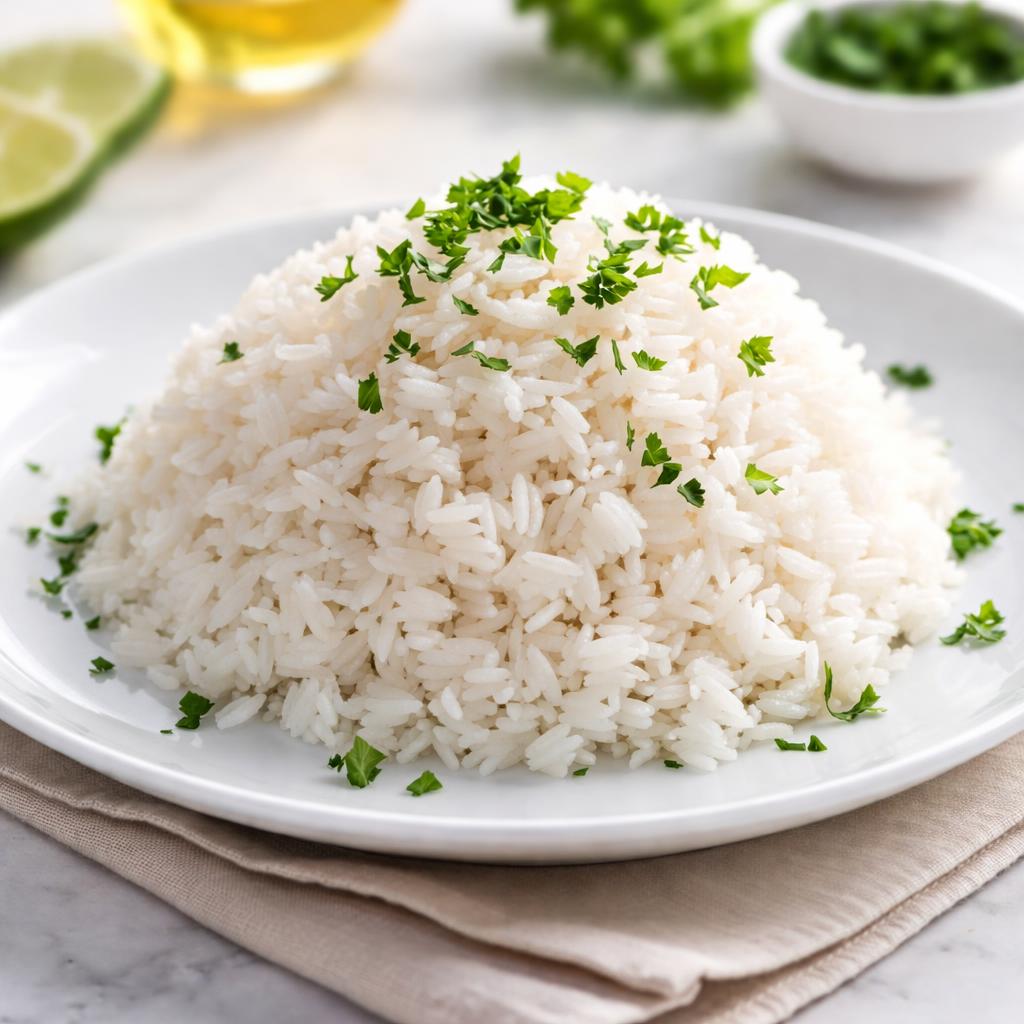
Rice
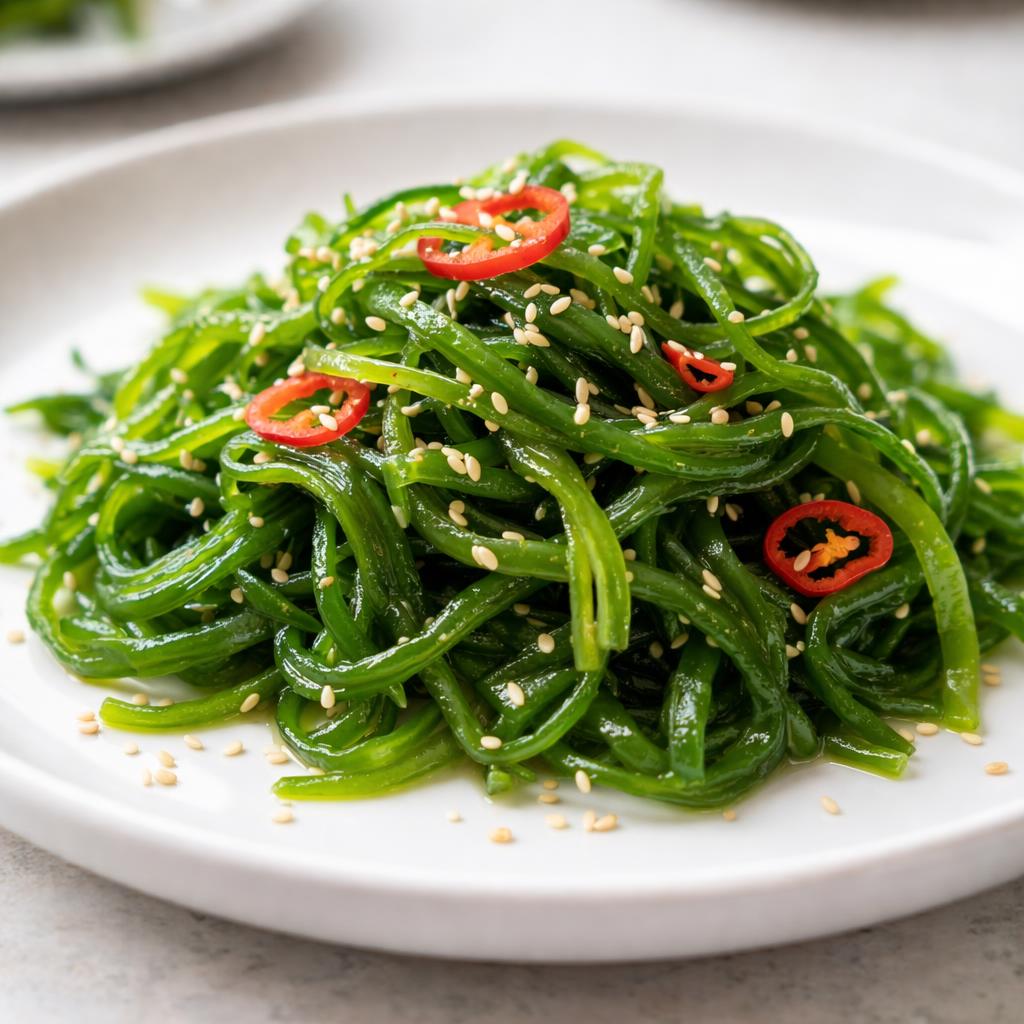
Seaweed Salad
🎯 Quick Verdict
Seaweed salad provides significantly more protein, fiber, and essential micronutrients compared to rice, while being lower in calories. Rice, on the other hand, offers higher carbohydrate content for energy and is more neutral for versatile dishes. Seaweed salad is ideal for nutrient density and weight management, while rice serves well as a staple carbohydrate source for meals needing quick energy.

Smart Nutrition Tracking with SnapCalorie

📊 Nutritional Comparison
Macronutrients
| Nutrient | Food 1 | Food 2 | Winner |
|---|---|---|---|
| Calories | 130 | 45 | ✓ |
| Protein | 2.7g | 3.5g | ✓ |
| Carbs | 28g | 6g | ✓ |
| Fat | 0.3g | 1g | ✓ |
| Fiber | 0g | 4g | ✓ |
Vitamins & Minerals
| Nutrient | Food 1 | Food 2 | Winner |
|---|---|---|---|
| Vitamin A | 0mcg | 170mcg | ✓ |
| Vitamin C | 0mg | 7mg | ✓ |
| Calcium | 10mg | 70mg | ✓ |
| Iron | 0.2mg | 2mg | ✓ |
🏆 Category Winners
Protein
Seaweed salad contains approximately 30% more protein per serving than rice.
Fiber
Seaweed salad offers 4g of fiber per serving, while rice contains no measurable fiber.
Calories
Seaweed salad is much lower in calories with just 45 calories per serving.
Vitamins
Seaweed salad is richer in vitamin A, vitamin C, calcium, and iron compared to rice.
🥗 Diet Compatibility
Keto
Food 1: Not Compatible
Food 2: Compatible
Seaweed salad is low-carb (6g), whereas rice is high in carbohydrates (28g).
Vegan
Food 1: Compatible
Food 2: Compatible
Both foods are plant-based and suitable for vegan diets.
Gluten Free
Food 1: Compatible
Food 2: Compatible
Neither food contains gluten.
Paleo
Food 1: Compatible
Food 2: Compatible
Both rice and seaweed salad fit paleo dietary patterns in moderation.
Low Carb
Food 1: Not Compatible
Food 2: Compatible
Seaweed salad is a low-carb option with 6g carbs compared to rice's 28g per serving.
💪 Health Benefits Comparison
Food 1 Benefits
- Provides quick energy due to high carbohydrate content
- Neutral flavor works as versatile base for meals
- Low in fat
Food 2 Benefits
- Rich in fiber for improved digestion
- Contains antioxidants to combat free radicals
- High in minerals like calcium and iron for bone health and oxygen transport
- Low calorie density, ideal for weight management
✅ The Bottom Line
Seaweed salad is the nutrient-rich, low-calorie option ideal for weight management and boosting your intake of vitamins and minerals. Rice, by contrast, is best used as a carbohydrate-rich staple for providing energy during high-activity days or when paired with protein-heavy dishes.
Choose Food 1 for: Staple meals, quick energy, carb-loading
Choose Food 2 for: Weight management, nutrient density, digestion support


