Rice VS Salt And Vinegar Chips
A detailed nutritional comparison
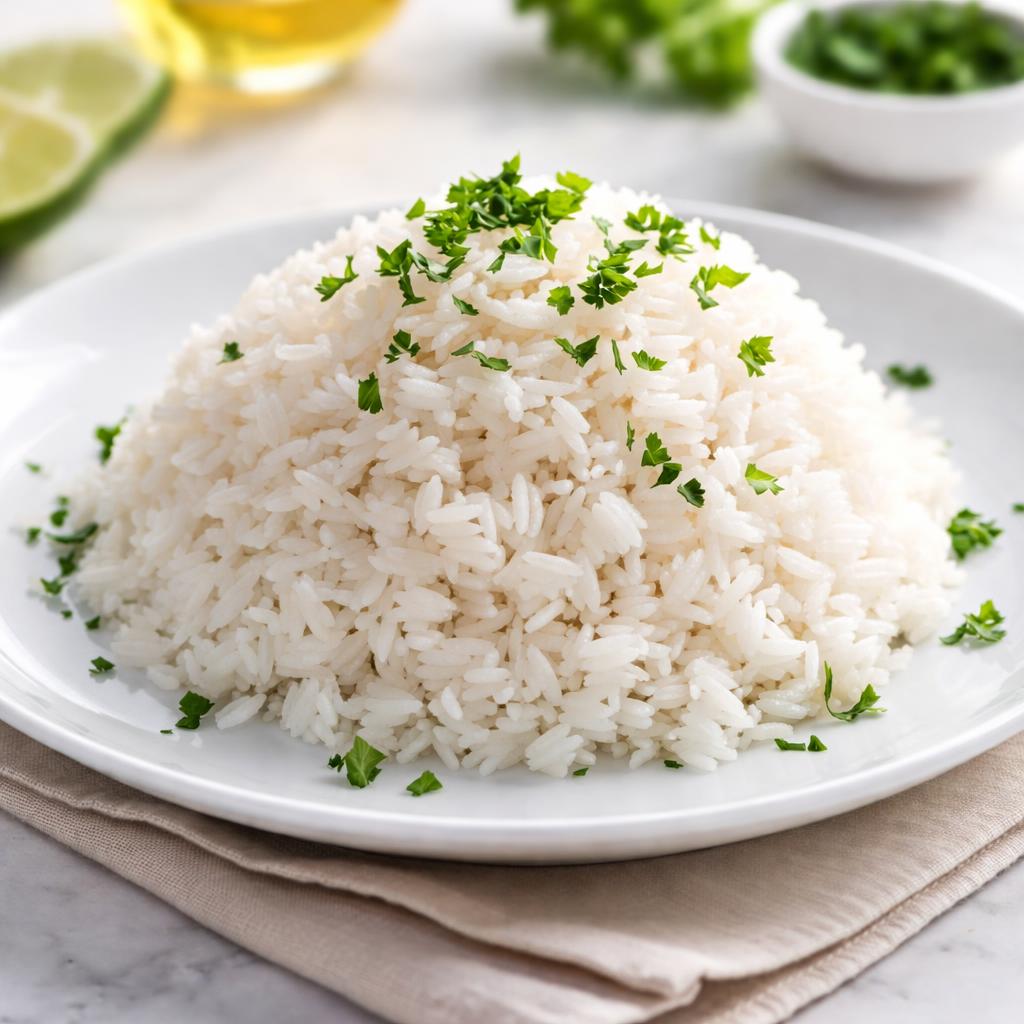
Rice
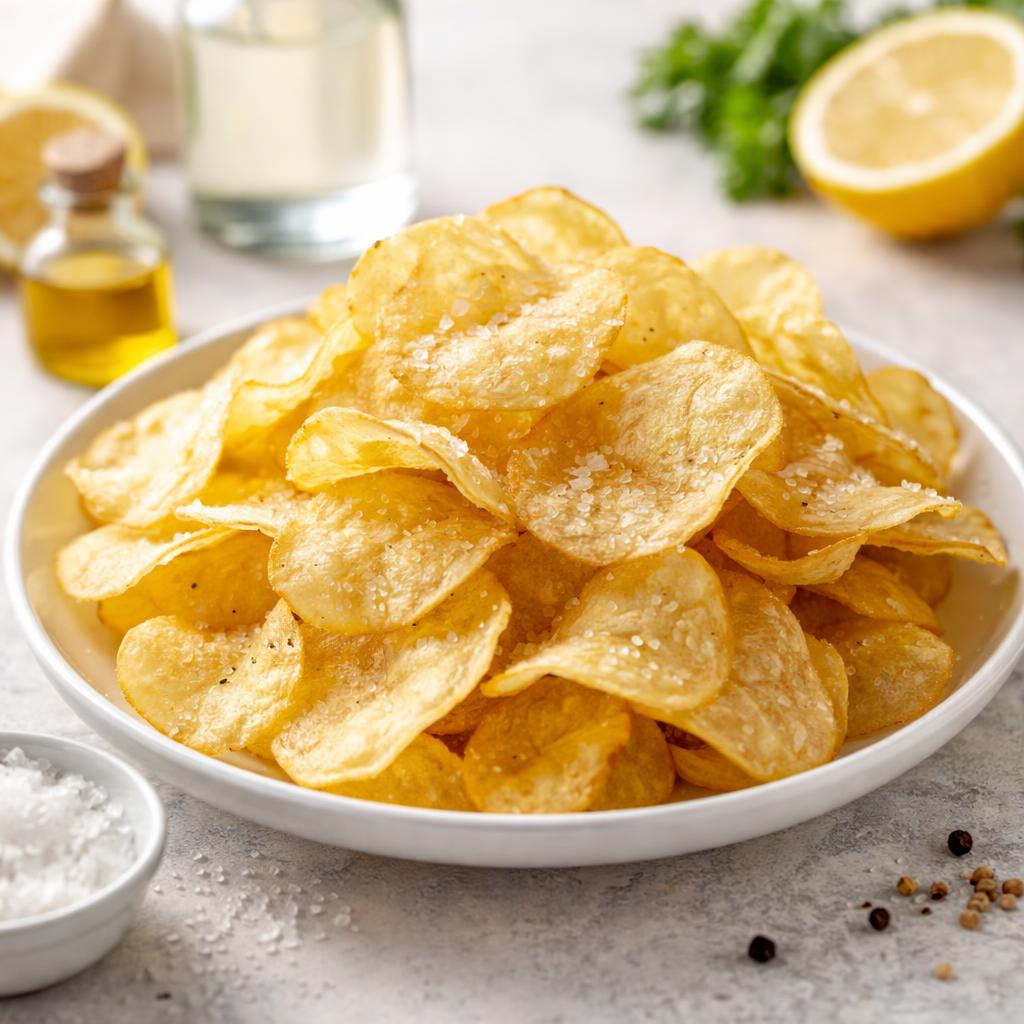
Salt And Vinegar Chips
🎯 Quick Verdict
Rice is a staple grain offering moderate calories, protein, and notably higher fiber compared to salt and vinegar chips. Chips, while satisfying in taste, are higher in calories and less nutrient-dense, mainly containing empty carbs and fats. Choose rice for sustained energy and chips for occasional snacking or cravings.

Smart Nutrition Tracking with SnapCalorie

📊 Nutritional Comparison
Macronutrients
| Nutrient | Food 1 | Food 2 | Winner |
|---|---|---|---|
| Calories | 130 per 1 cup cooked | 220 per 1 oz | ✓ |
| Protein | 2.7g | 2.5g | − |
| Carbs | 28g | 23g | − |
| Fat | 0.3g | 14g | ✓ |
| Fiber | 0.6g | 0.3g | ✓ |
Vitamins & Minerals
| Nutrient | Food 1 | Food 2 | Winner |
|---|---|---|---|
| Vitamin C | 0mg | 5mg | ✓ |
| Iron | 0.2mg | 0.1mg | ✓ |
| Calcium | 10mg | 15mg | ✓ |
🏆 Category Winners
Protein
Both foods have virtually similar protein amounts per serving.
Fiber
Rice contains twice the fiber per serving compared to chips.
Calories
Rice has over 40% fewer calories than chips per serving.
Vitamins
Chips win in vitamin C and calcium contribution.
🥗 Diet Compatibility
Keto
Food 1: Not Compatible
Food 2: Not Compatible
Both are high-carb foods.
Vegan
Food 1: Compatible
Food 2: Compatible
Both foods are plant-based and vegan-friendly.
Gluten Free
Food 1: Compatible
Food 2: Usually Compatible
Rice is naturally gluten-free, while some chips may contain gluten depending on processing.
Paleo
Food 1: Compatible
Food 2: Not Compatible
Rice is allowed on some paleo diets, while processed chips are not.
Low-Carb
Food 1: Not Compatible
Food 2: Not Compatible
Both are high in carbs and unsuitable for low-carb diets.
💪 Health Benefits Comparison
Food 1 Benefits
- Provides sustained energy from complex carbohydrates
- Low in fat, supporting heart health
- Naturally gluten-free and easy to digest
Food 2 Benefits
- Contains some Vitamin C, offering minor immune benefits
- Offers satisfying flavor for appetite control during snacking
- Provides quick energy from carbohydrates, paired with fats
✅ The Bottom Line
Rice is a more versatile and nutrient-rich choice that works well as part of balanced meals, while salt and vinegar chips are better reserved for occasional treats due to their high calories and fats. Choose rice for sustained energy and nutritional value, and chips for flavor-driven cravings.
Choose Food 1 for: Balanced meals, energy for physical activity, gluten-free diets
Choose Food 2 for: Snack cravings, flavor indulgence, quick energy during breaks


