Rice VS Rosemary
A detailed nutritional comparison
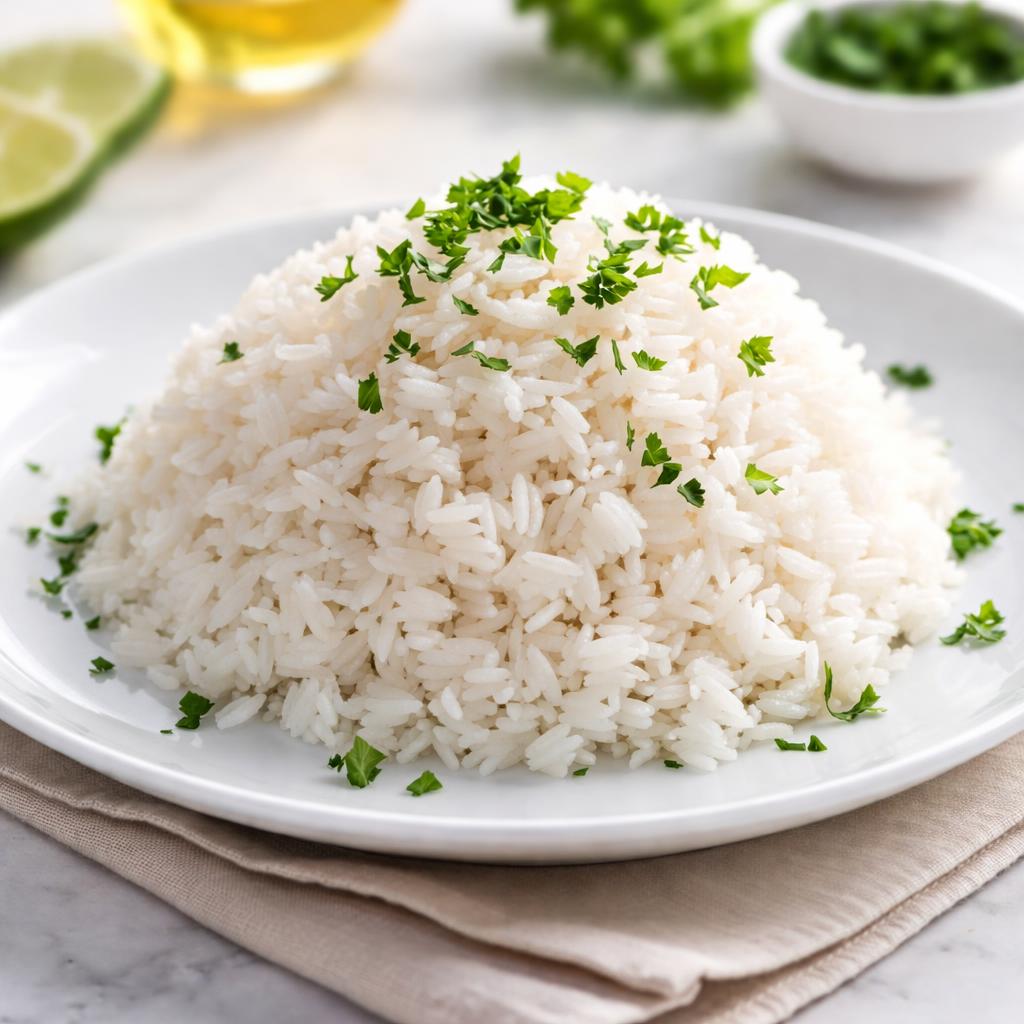
Rice
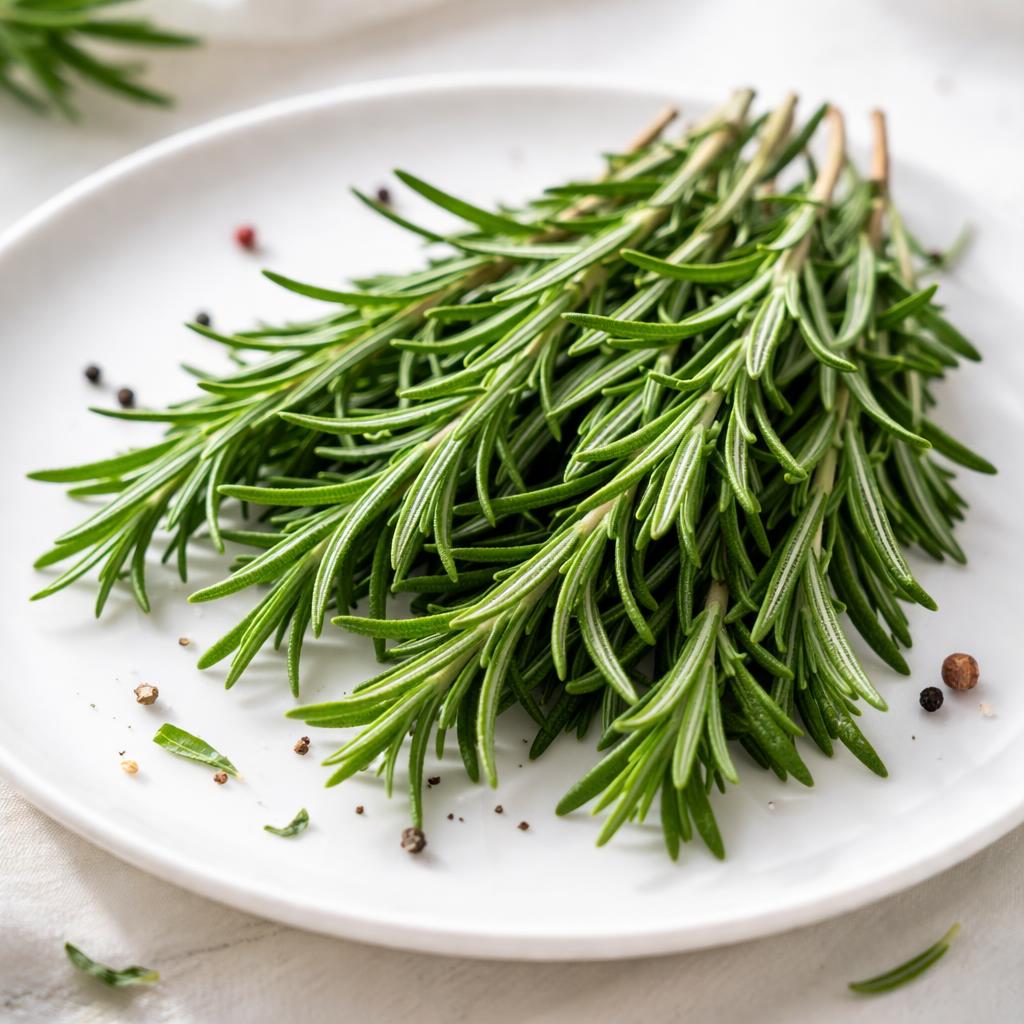
Rosemary
🎯 Quick Verdict
Rice and rosemary differ significantly in nutritional profiles and use cases. Rice is a carbohydrate-rich staple with moderate calories, while rosemary is a low-calorie herb high in antioxidants, fiber, and healthy compounds. Rice works well for energy and meal bases, whereas rosemary excels as a flavor enhancer and antioxidant-rich addition.

Smart Nutrition Tracking with SnapCalorie

📊 Nutritional Comparison
Macronutrients
| Nutrient | Food 1 | Food 2 | Winner |
|---|---|---|---|
| Calories | 130 (per 100g cooked white rice) | 4 (per 100g fresh rosemary) | ✓ |
| Protein | 2.7g | 2g | − |
| Carbs | 28g | 0.9g | ✓ |
| Fat | 0.3g | 0.5g | ✓ |
| Fiber | 0.4g | 14g | ✓ |
Vitamins & Minerals
| Nutrient | Food 1 | Food 2 | Winner |
|---|---|---|---|
| Vitamin A | 0mcg | 292mcg | ✓ |
| Vitamin C | 0mg | 21mg | ✓ |
| Iron | 0.2mg | 6.7mg | ✓ |
| Calcium | 10mg | 317mg | ✓ |
🏆 Category Winners
Protein
Both foods contain low amounts of protein, with similar per-serving values.
Fiber
Food2 (rosemary) has 14g of fiber, which is significantly higher than food1 (0.4g in rice).
Calories
Food2 is extremely low in calories compared to food1.
Vitamins
Food2 excels in vitamins and minerals, especially iron, calcium, and vitamin C.
🥗 Diet Compatibility
Keto
Food 1: Not Compatible
Food 2: Compatible
Food1 is high in carbs, whereas food2 is low-carb and fits keto guidelines.
Vegan
Food 1: Compatible
Food 2: Compatible
Both foods are plant-based and suitable for vegan diets.
Gluten Free
Food 1: Compatible
Food 2: Compatible
Neither food contains gluten.
Paleo
Food 1: Compatible
Food 2: Compatible
Both can be included in paleo diets, although rice should be consumed moderately.
Low-Carb
Food 1: Not Compatible
Food 2: Compatible
Rice is very high in carbs, while rosemary is almost carb-free.
💪 Health Benefits Comparison
Food 1 Benefits
- Provides a good energy source due to carbohydrate content
- Low in fat, making it suitable for low-fat diets
- Easy to digest and often used in bland diets
Food 2 Benefits
- Rich in antioxidants, supporting overall health and combating free radicals
- High in fiber, aiding digestion and promoting gut health
- Contains iron for improved oxygen transport and reduced fatigue
- Has anti-inflammatory properties
✅ The Bottom Line
Rice is an excellent energy-dense food perfect for meal bases or carbohydrate replenishment after workouts. Rosemary, on the other hand, shines as a nutrient-dense herb with medicinal qualities, ideal for enhancing flavor and boosting antioxidants. Together, they complement different dietary needs.
Choose Food 1 for: Energy, meal bases, post-workout carb replenishment
Choose Food 2 for: Flavor enhancement, antioxidants, anti-inflammatory benefits


