Rice VS Roasted Garlic
A detailed nutritional comparison
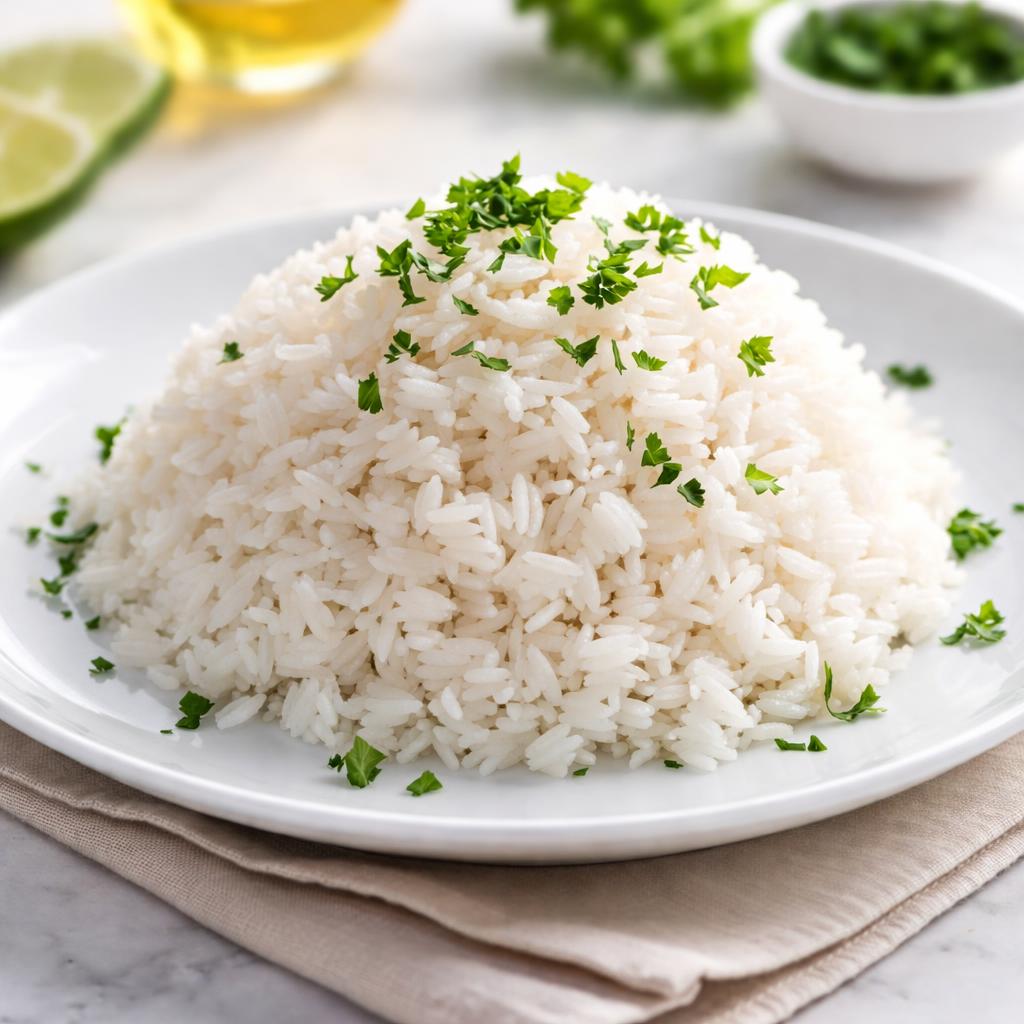
Rice
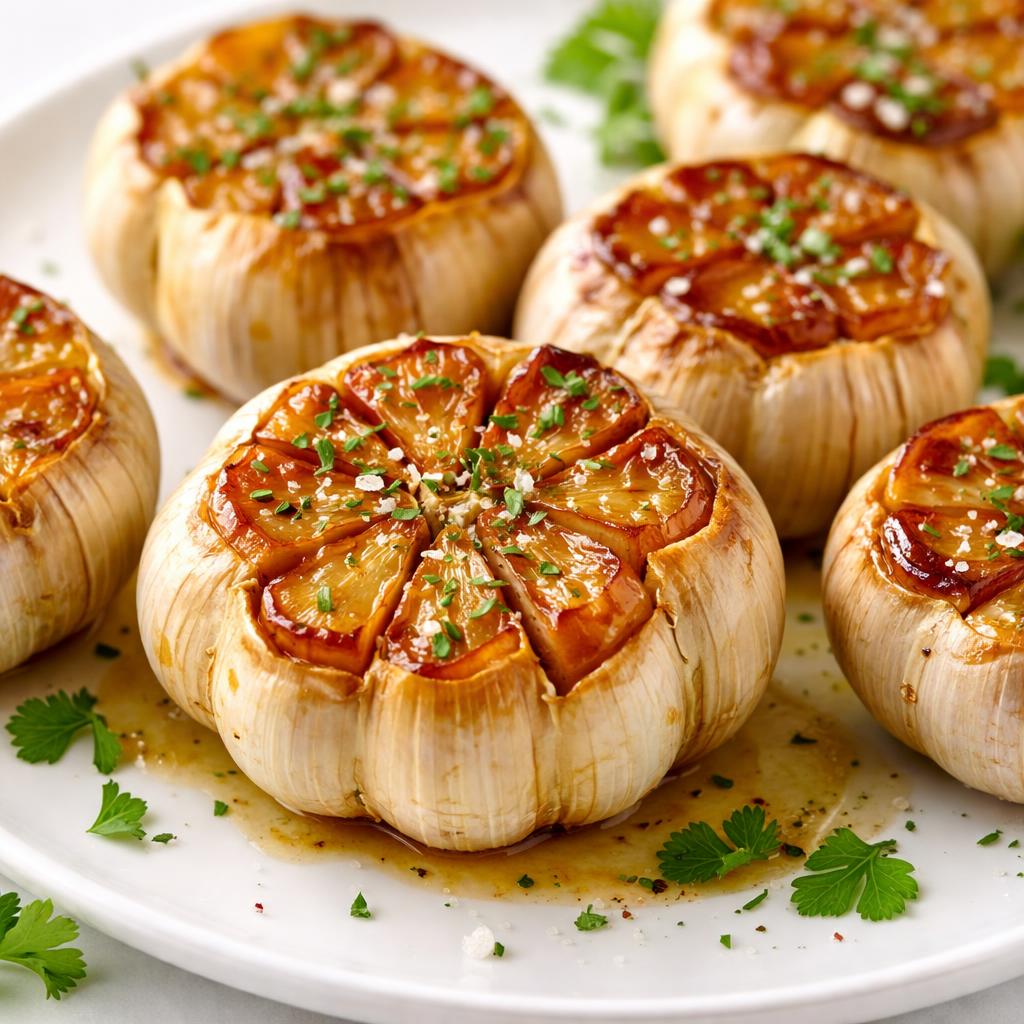
Roasted Garlic
🎯 Quick Verdict
Rice is primarily a carbohydrate-heavy staple, while roasted garlic excels in providing fiber, fewer calories, and antioxidants. While rice is more filling due to higher caloric content, roasted garlic stands out as a flavorful, nutrient-dense option great for heart and immune health.

Smart Nutrition Tracking with SnapCalorie

📊 Nutritional Comparison
Macronutrients
| Nutrient | Food 1 | Food 2 | Winner |
|---|---|---|---|
| Calories | 130 | 40 | ✓ |
| Protein | 2.5g | 2.5g | − |
| Carbs | 28g | 9g | ✓ |
| Fat | 0.3g | 0.1g | ✓ |
| Fiber | 0.4g | 1.3g | ✓ |
Vitamins & Minerals
| Nutrient | Food 1 | Food 2 | Winner |
|---|---|---|---|
| Vitamin C | 0mg | 2mg | ✓ |
| Vitamin B6 | 0.1mg | 0.3mg | ✓ |
| Potassium | 35mg | 70mg | ✓ |
🏆 Category Winners
Protein
Both foods contain the same amount of protein (2.5g per serving).
Fiber
Roasted garlic contains over 3x more fiber than rice.
Calories
Roasted garlic has significantly fewer calories (40 vs 130 per serving).
🥗 Diet Compatibility
Keto
Food 1: Not Compatible
Food 2: Compatible
Rice is high in carbs, while garlic is low-carb.
Vegan
Food 1: Compatible
Food 2: Compatible
Both foods are plant-based.
Gluten Free
Food 1: Compatible
Food 2: Compatible
Neither contains gluten.
Paleo
Food 1: Not Compatible
Food 2: Compatible
Garlic aligns with paleo guidelines, but rice is excluded.
Low-Carb
Food 1: Not Compatible
Food 2: Compatible
Rice is carb-heavy, while roasted garlic is a low-carb choice.
💪 Health Benefits Comparison
Food 1 Benefits
- Provides quick energy from carbohydrates
- Contains some protein for basic body functions
- Good source of caloric intake for active individuals
Food 2 Benefits
- Rich in antioxidants for immune health
- Supports heart health due to allicin content
- Contains fiber for improved digestion
- Low-calorie and low-carb option great for weight management
✅ The Bottom Line
Choose rice for energy replenishment and as a filling base for meals. Opt for roasted garlic for additional flavor, health benefits, and a low-calorie, nutrient-dense option.
Choose Food 1 for: High-energy meals, athletes, bulk calorie needs
Choose Food 2 for: Heart health, weight management, immune support


