Rice VS Roast Pork
A detailed nutritional comparison
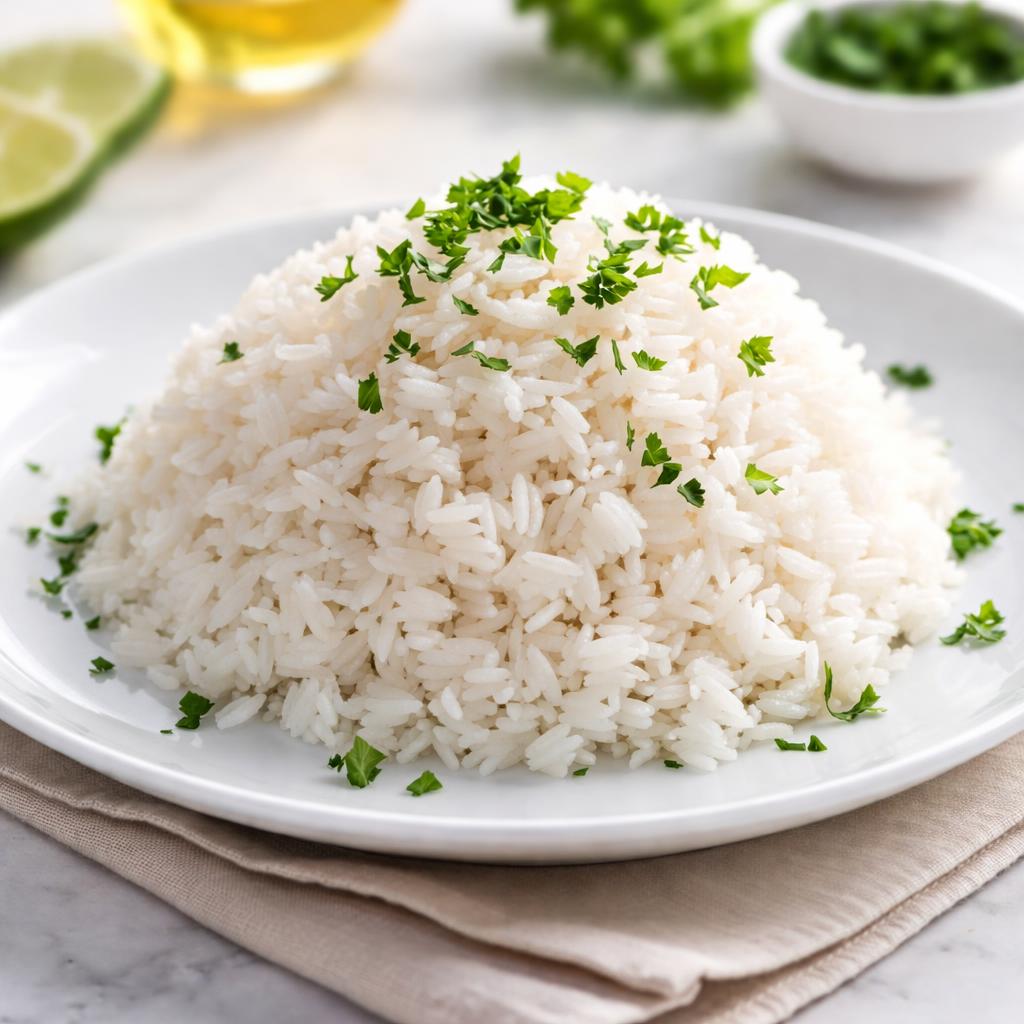
Rice
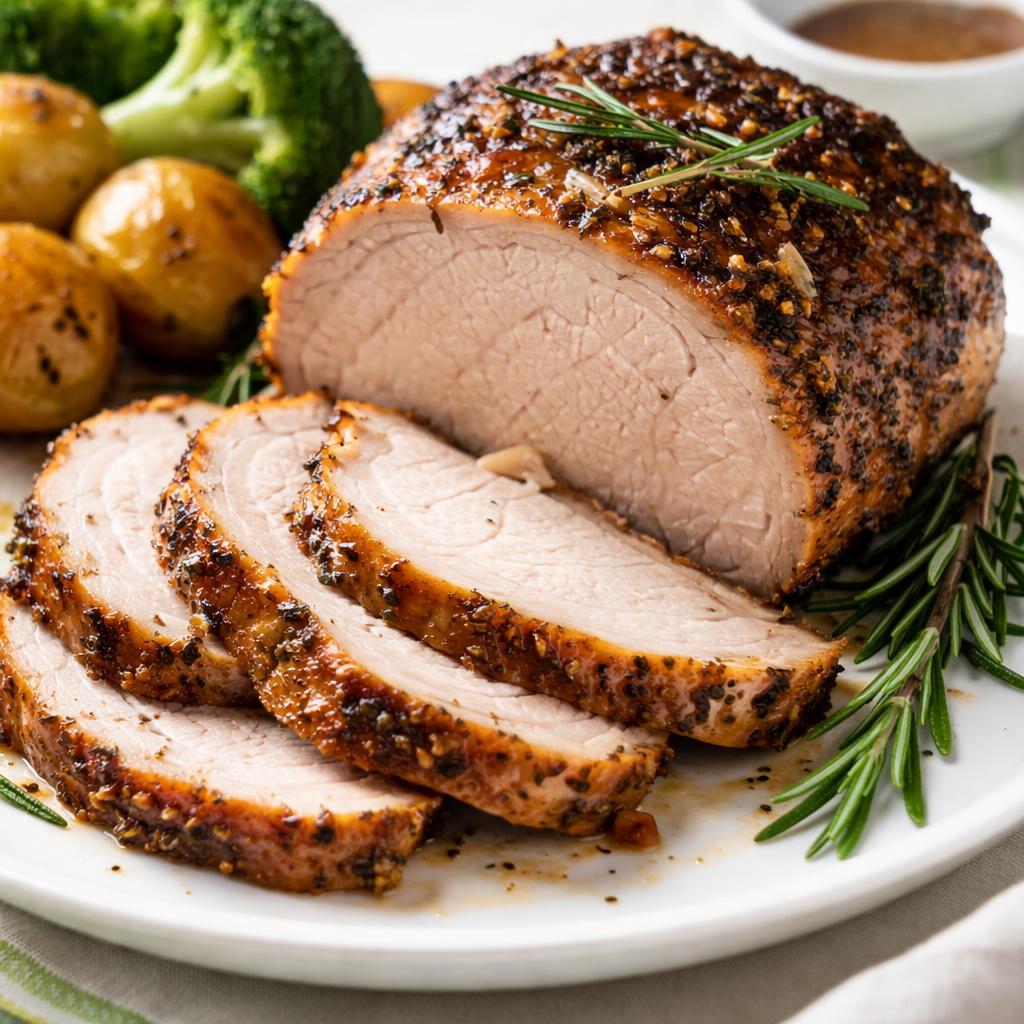
Roast Pork
🎯 Quick Verdict
Roast pork is significantly higher in protein and rich in essential nutrients, making it ideal for protein-focused diets. Rice, on the other hand, is lower in calories and offers more dietary fiber, beneficial for digestion and energy stability. Both have distinct advantages based on your dietary goals.

Smart Nutrition Tracking with SnapCalorie

📊 Nutritional Comparison
Macronutrients
| Nutrient | Food 1 | Food 2 | Winner |
|---|---|---|---|
| Calories | 205 per cup (cooked) | 242 per 100g | ✓ |
| Protein | 4.3g per cup (cooked) | 26g per 100g | ✓ |
| Carbs | 44.5g per cup (cooked) | 0g per 100g | ✓ |
| Fat | 0.4g per cup (cooked) | 13g per 100g | ✓ |
| Fiber | 0.6g per cup (cooked) | 0g per 100g | ✓ |
Vitamins & Minerals
| Nutrient | Food 1 | Food 2 | Winner |
|---|---|---|---|
| Vitamin B6 | 0.09mg | 0.6mg | ✓ |
| Iron | 1.9mg | 1mg | ✓ |
| Zinc | 0.3mg | 4.5mg | ✓ |
🏆 Category Winners
Protein
Roast pork offers 26g of protein per 100g, significantly outpacing rice's 4.3g per cup.
Fiber
Rice contains 0.6g of fiber per cup, while roast pork has negligible fiber.
Calories
Rice has 15% fewer calories per serving compared to roast pork.
Vitamins
Roast pork is richer in zinc and vitamin B6, supporting immunity and energy metabolism.
🥗 Diet Compatibility
Keto
Food 1: Not Compatible
Food 2: Compatible
Roast pork is zero-carb, aligning well with keto diets, while rice is high-carb.
Vegan
Food 1: Compatible
Food 2: Not Compatible
Rice is plant-based, roast pork is animal-based.
Gluten Free
Food 1: Compatible
Food 2: Compatible
Neither food contains gluten.
Paleo
Food 1: Not Compatible
Food 2: Compatible
Rice is excluded from paleo diets; roast pork fits paleo principles.
Low Carb
Food 1: Not Compatible
Food 2: Compatible
Roast pork has 0g carbs, while rice contains 44.5g carbs per cup.
💪 Health Benefits Comparison
Food 1 Benefits
- Provides a quick source of energy through carbohydrates
- Supports digestion with dietary fiber
- Low-fat and cholesterol-free option
Food 2 Benefits
- High protein content supports muscle growth and repair
- Rich in zinc to boost immune health
- Good source of vitamin B6 for brain function
✅ The Bottom Line
Choose roast pork if you need high protein intake, such as for muscle building or keto/paleo diets. Rice, however, is a lower-calorie, plant-based option that works well for energy and digestion-focused diets.
Choose Food 1 for: Low-fat diets, vegan meals, quick energy sources
Choose Food 2 for: Muscle-building, keto/paleo diets, immune support


