Rice VS Rice Noodle
A detailed nutritional comparison
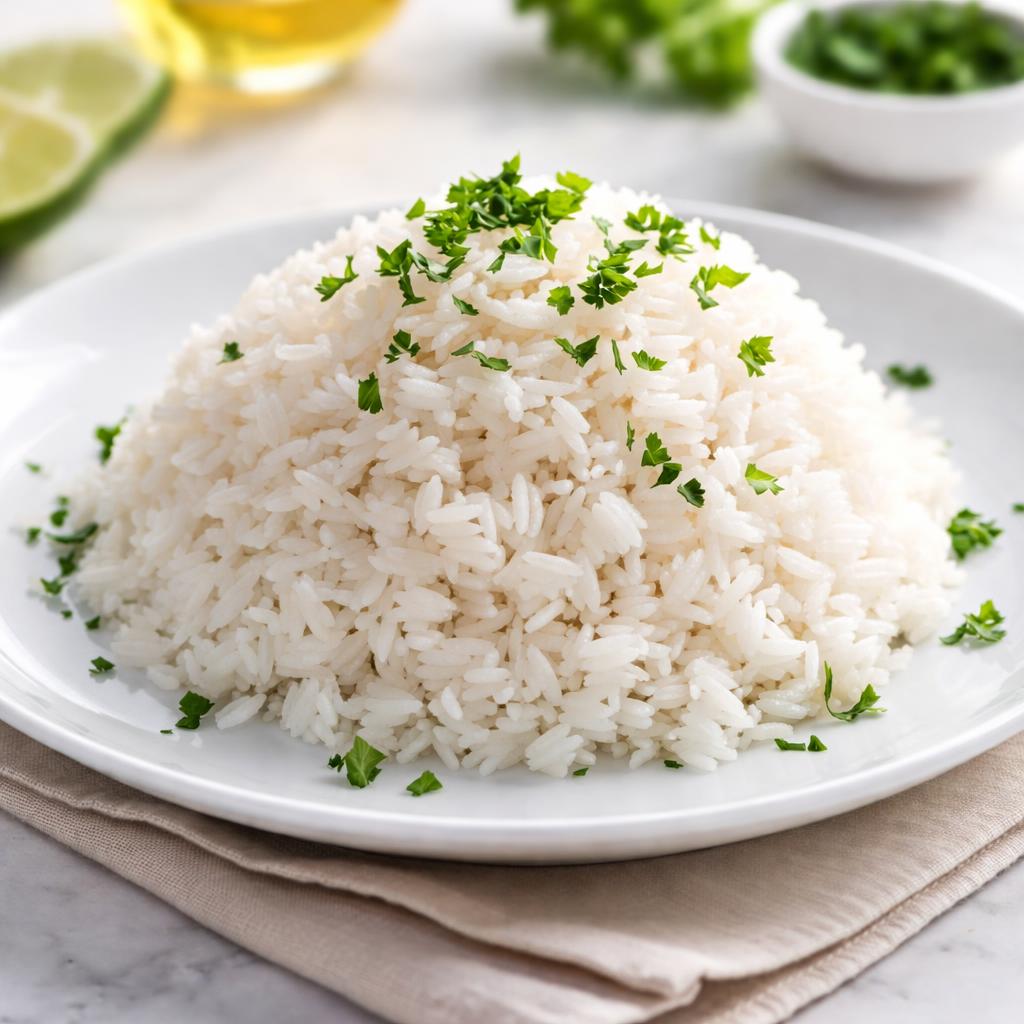
Rice
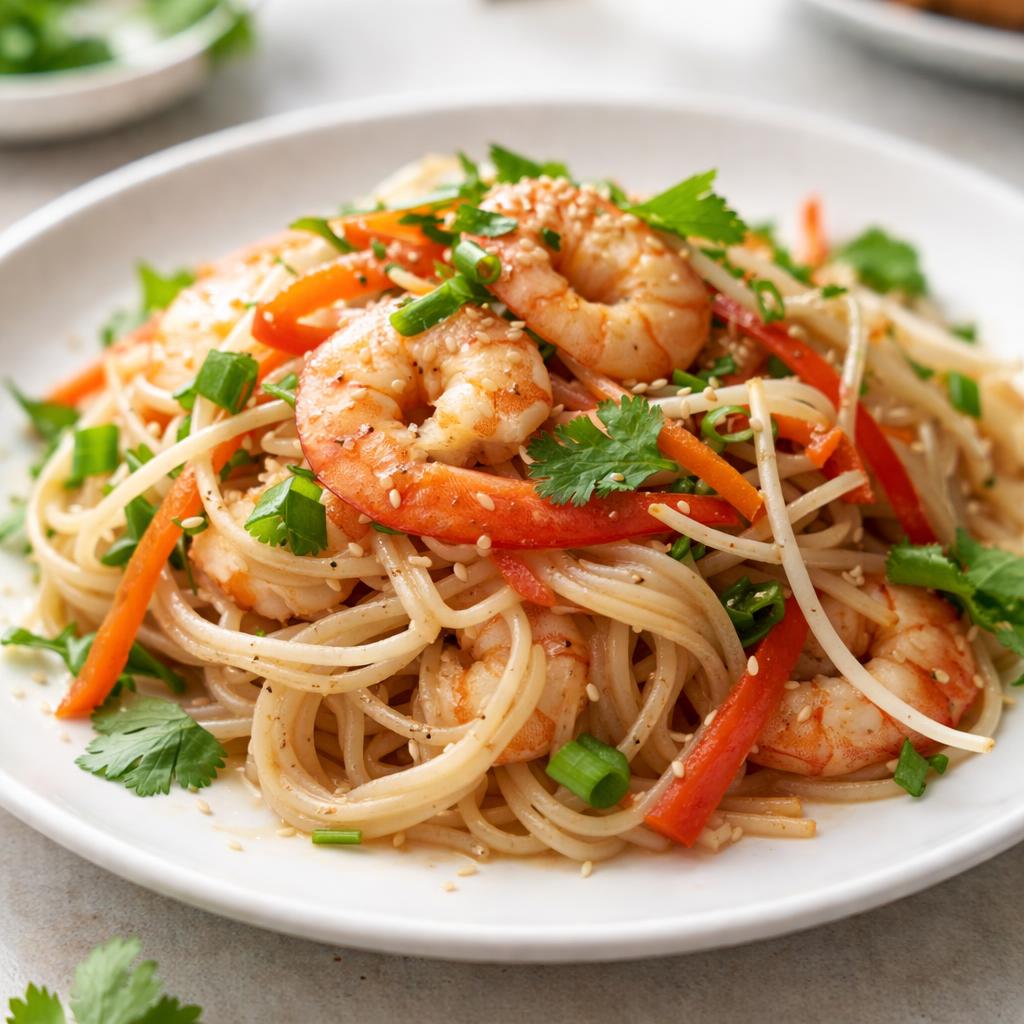
Rice Noodle
🎯 Quick Verdict
Rice (Food1) generally offers lower calories, slightly more fiber, and is ideal for simpler meal prep and weight control. Rice noodles (Food2), while higher in calories, can provide a convenient gluten-free pasta alternative and higher energy for endurance activities. Both are carbohydrate-rich options but differ in practical applications and textures.

Smart Nutrition Tracking with SnapCalorie

📊 Nutritional Comparison
Macronutrients
| Nutrient | Food 1 | Food 2 | Winner |
|---|---|---|---|
| Calories | 130 per 100g cooked | 190 per 100g cooked | ✓ |
| Protein | 2.7g | 2.7g | − |
| Carbs | 28.2g | 42.2g | ✓ |
| Fat | 0.3g | 0.9g | ✓ |
| Fiber | 0.4g | 0.1g | ✓ |
Vitamins & Minerals
| Nutrient | Food 1 | Food 2 | Winner |
|---|---|---|---|
| Vitamin B6 | 0.16mg | 0.05mg | ✓ |
| Magnesium | 11mg | 7mg | ✓ |
| Iron | 0.2mg | 0.1mg | ✓ |
🏆 Category Winners
Protein
Both rice and rice noodles provide 2.7g of protein per 100g cooked.
Fiber
Rice contains 4x more fiber than rice noodles (0.4g vs 0.1g per 100g).
Calories
Rice is 32% lower in calories compared to rice noodles.
Vitamins
Rice offers higher levels of magnesium, iron, and vitamin B6 per serving.
🥗 Diet Compatibility
Keto
Food 1: Not Compatible
Food 2: Not Compatible
Both foods are high-carb and unsuitable for ketogenic diets.
Vegan
Food 1: Compatible
Food 2: Compatible
Both are plant-based and suitable for vegan dietary preferences.
Gluten Free
Food 1: Compatible
Food 2: Compatible
Neither food contains gluten, making them safe for gluten-free diets.
Paleo
Food 1: Not Compatible
Food 2: Not Compatible
Grains like rice and rice noodles are excluded in strict paleo diets.
Low-Carb
Food 1: Not Compatible
Food 2: Not Compatible
Both foods are high-carbohydrate options, unsuited for low-carb diets.
💪 Health Benefits Comparison
Food 1 Benefits
- Lower in calories, ideal for weight management.
- Contains modest fiber for digestive assistance.
- Provides a better source of magnesium and iron for bone health and oxygen transport.
Food 2 Benefits
- Higher in calories, providing more sustained energy for physical activities.
- Gluten-free alternative to regular pasta and great for sensitive stomachs.
- Convenient for quick meal preparation due to faster cooking times.
✅ The Bottom Line
Rice is the better option for weight management and simpler, nutritionally balanced meals. Rice noodles are better suited for high-energy needs and as a gluten-free pasta replacement. Choose rice for a lighter dish and rice noodles for more versatility in meal types like stir-fries and soups.
Choose Food 1 for: Weight control, simpler meals, balanced everyday eating
Choose Food 2 for: Endurance activities, gluten-free diets, quick-cooking recipes


