Rice VS Rib Eye
A detailed nutritional comparison
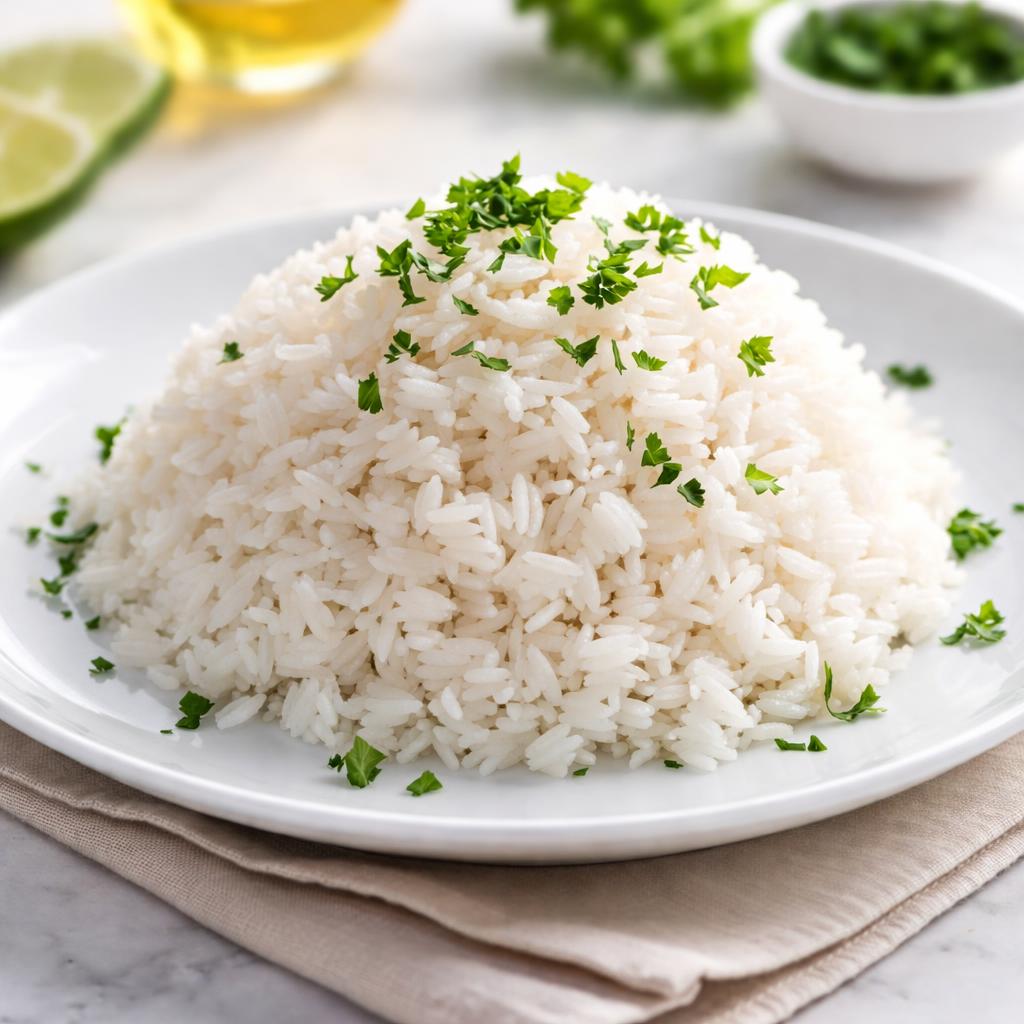
Rice
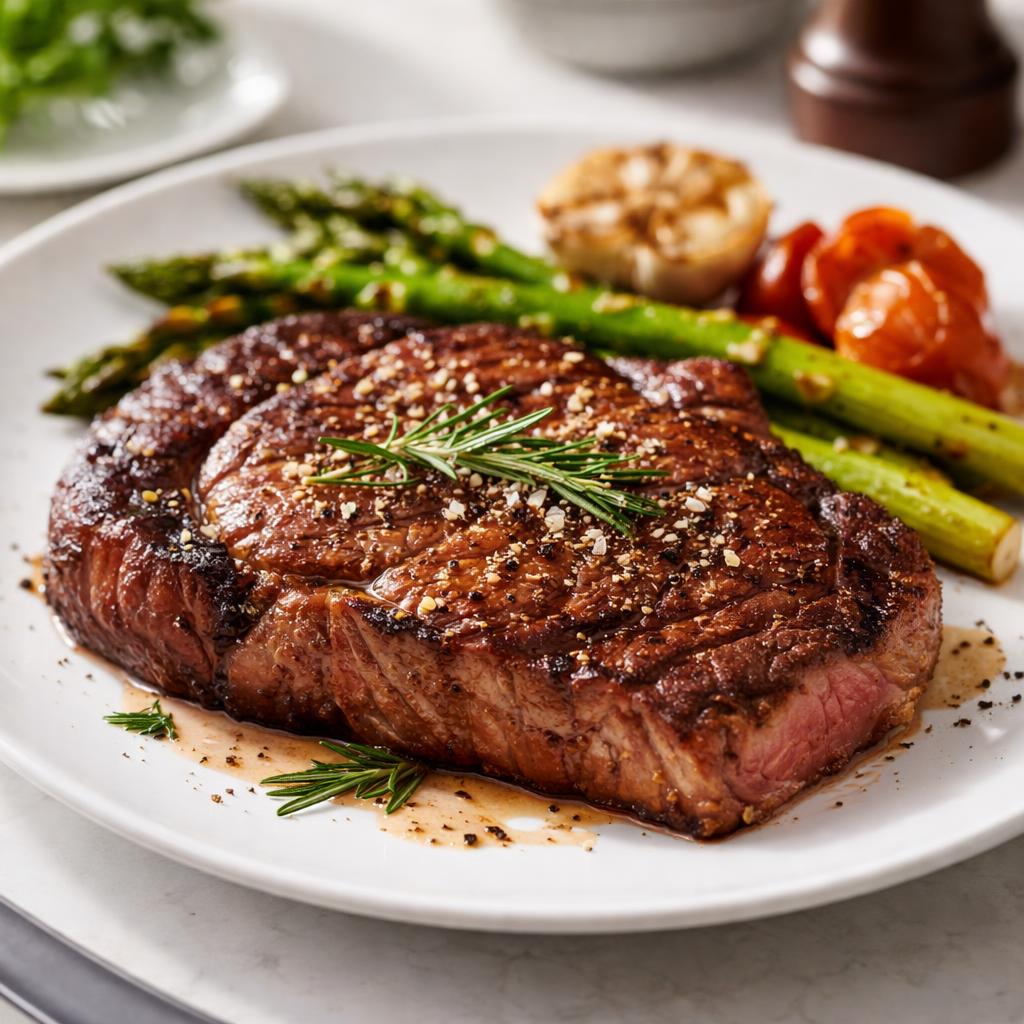
Rib Eye
🎯 Quick Verdict
Rice and rib eye steak differ significantly in nutrition. Rib eye is a high-protein, high-fat food ideal for muscle-building and keto diets, while rice is a carb-dense natural energy source with fiber. Choose rib eye for protein-packed meals or rice for energy and digestion support.

Smart Nutrition Tracking with SnapCalorie

📊 Nutritional Comparison
Macronutrients
| Nutrient | Food 1 | Food 2 | Winner |
|---|---|---|---|
| Calories | 206 (per 1 cup cooked) | 206 (per 3 oz cooked) | − |
| Protein | 4.3g | 22g | − |
| Carbs | 44.5g | 0g | − |
| Fat | 0.4g | 15g | − |
| Fiber | 0.6g | 0g | − |
Vitamins & Minerals
| Nutrient | Food 1 | Food 2 | Winner |
|---|---|---|---|
| Vitamin B12 | 0mcg | 1.4mcg | − |
| Iron | 1.9mg | 2.1mg | − |
🏆 Category Winners
Protein
Rib eye contains over 5x the protein of rice, making it better for building and maintaining muscles.
Fiber
Rice provides 0.6g of fiber per serving compared to none in rib eye.
Calories
Both foods have equal calorie content per typical serving.
Vitamins
Rib eye is rich in B vitamins and iron, essential for energy and blood health, while rice has little to no contributions in this category.
🥗 Diet Compatibility
Keto
Food 1: Not Compatible
Food 2: Compatible
Rib eye is low-carb and high-fat, ideal for keto diets.
Vegan
Food 1: Compatible
Food 2: Not Compatible
Rice is plant-based, whereas rib eye is derived from animals.
Gluten Free
Food 1: Compatible
Food 2: Compatible
Neither rice nor rib eye contains gluten.
Paleo
Food 1: Compatible
Food 2: Compatible
Rice is a natural grain and rib eye is unprocessed meat, both suitable for paleo diets.
Low Carb
Food 1: Not Compatible
Food 2: Compatible
Rib eye contains 0g carbs, while rice is carb-heavy (45g per serving).
💪 Health Benefits Comparison
Food 1 Benefits
- Provides a quick source of energy from carbs
- Contains small amounts of fiber to support digestion
- Low in fat, suitable for low-fat diets
Food 2 Benefits
- Excellent source of high-quality protein to support muscle growth
- Rich in Vitamin B12 for nervous system health
- Contains iron for energy and oxygen transport
✅ The Bottom Line
Rib eye is a better choice for high-protein diets, keto enthusiasts, or meat lovers focused on muscle-building and nutrient density. Rice, on the other hand, is a great option for vegans, vegetarians, or those needing fast energy from carbs. Both are versatile and depend on dietary needs and preferences.
Choose Food 1 for: Quick energy, vegan meals, low-fat diets
Choose Food 2 for: Muscle building, keto diets, nutrient-rich meals


