Rice VS Red Curry
A detailed nutritional comparison
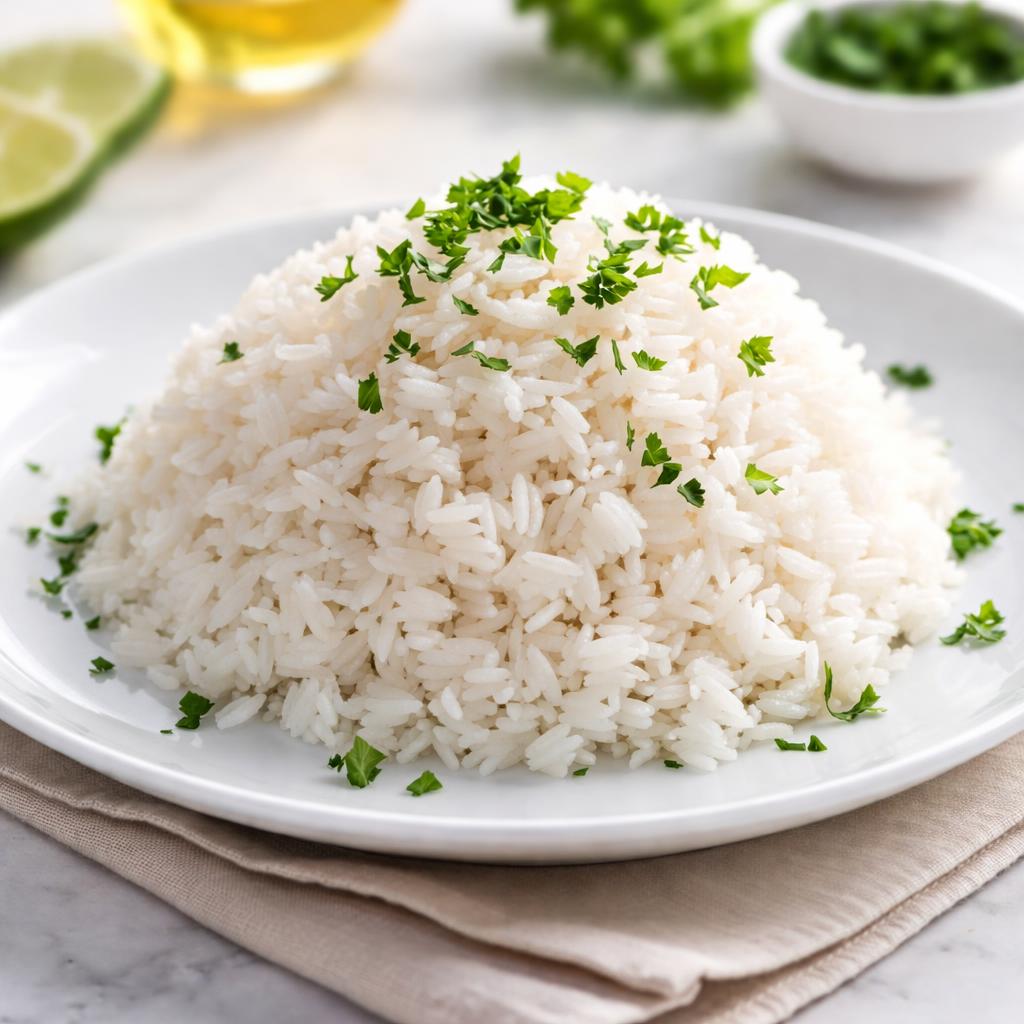
Rice
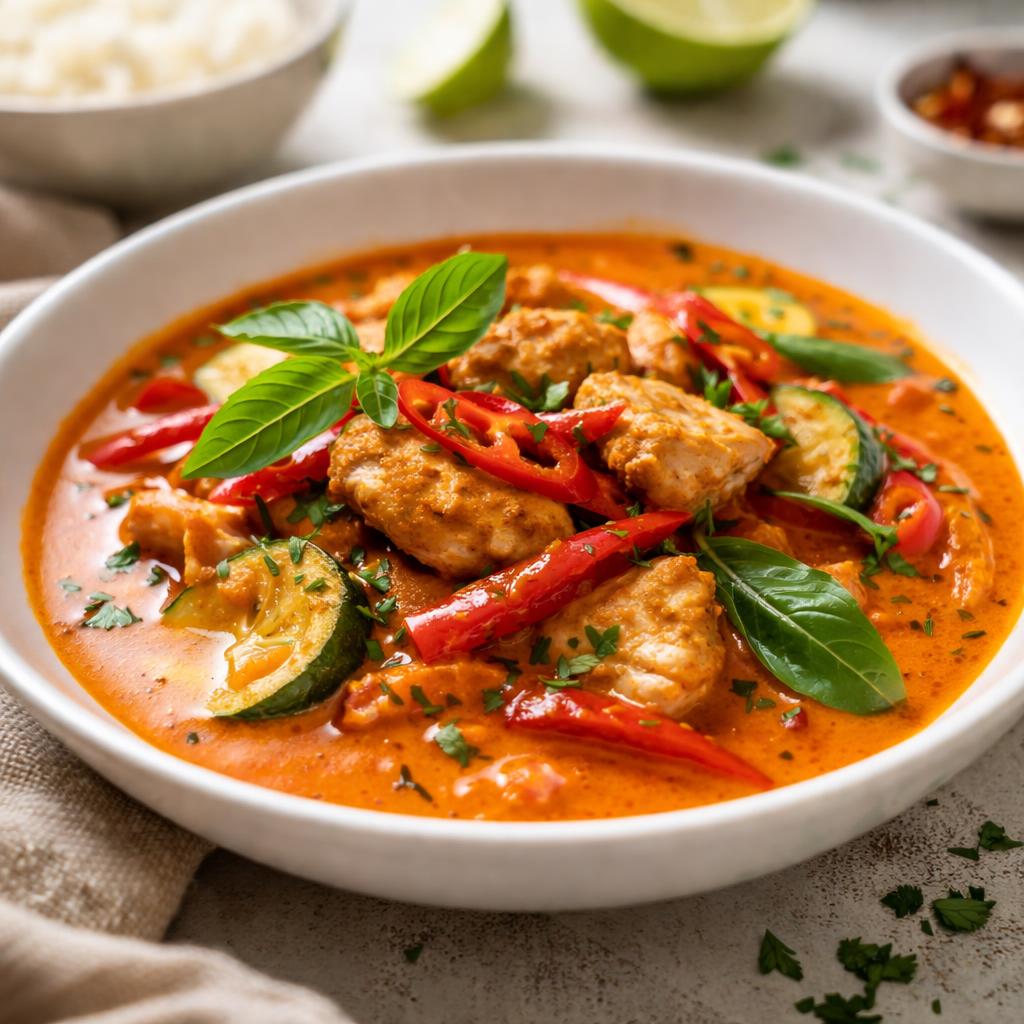
Red Curry
🎯 Quick Verdict
Rice and red curry serve different purposes in a meal. Rice (food1) is carbohydrate-heavy, with lower calories and virtually no protein or fiber, making it a simple source of energy. Red curry (food2) is nutrient-dense, with higher protein, fiber, and healthy fats due to its ingredients like coconut milk, spices, and vegetables. Red curry is better for adding flavor and nutrients, while rice works as a neutral base for pairing with dishes like curry or stir fry.

Smart Nutrition Tracking with SnapCalorie

📊 Nutritional Comparison
Macronutrients
| Nutrient | Food 1 | Food 2 | Winner |
|---|---|---|---|
| Calories | 206 per cup | 300 per cup | ✓ |
| Protein | 4.3g per cup | 10g per cup | ✓ |
| Carbs | 45g per cup | 15g per cup | ✓ |
| Fat | 0.4g per cup | 20g per cup | ✓ |
| Fiber | 0.6g per cup | 4g per cup | ✓ |
Vitamins & Minerals
| Nutrient | Food 1 | Food 2 | Winner |
|---|---|---|---|
| Vitamin A | 0mcg | 500mcg | ✓ |
| Vitamin C | 0mg | 15mg | ✓ |
| Calcium | 9mg | 40mg | ✓ |
| Iron | 0.2mg | 1.5mg | ✓ |
🏆 Category Winners
Protein
Red curry provides over twice as much protein compared to rice due to the inclusion of coconut milk, spices, and sometimes added meats or vegetables.
Fiber
Red curry contains significantly higher fiber content due to vegetables and spices, offering 4g versus rice's 0.6g.
Calories
Rice has about 30% fewer calories per cup, making it a lighter option for those focused on calorie control.
Vitamins
Red curry is abundant in vitamins like Vitamin A, Vitamin C, and Calcium, outclassing rice which is nutritionally minimal.
🥗 Diet Compatibility
Keto
Food 1: Not Compatible
Food 2: Compatible
Rice is high-carb, whereas red curry has lower carbs but healthy fats from coconut milk.
Vegan
Food 1: Compatible
Food 2: Compatible
Both foods are suitable for vegans if red curry is made without animal products.
Gluten Free
Food 1: Compatible
Food 2: Compatible
Neither contains gluten, making both options safe for gluten-free diets.
Paleo
Food 1: Not Compatible
Food 2: Compatible
Rice is avoided in a paleo diet, but red curry aligns depending on ingredients like coconut milk and vegetables.
Low-Carb
Food 1: Not Compatible
Food 2: Compatible
Rice is high-carb, while red curry is lower in carbs and higher in healthy fats.
💪 Health Benefits Comparison
Food 1 Benefits
- Quick source of energy from carbohydrates
- Low-fat and easy to digest
- Gluten-free, suitable for sensitive stomachs
Food 2 Benefits
- Rich in vitamins and minerals, such as Vitamin A and Calcium
- Contains antioxidants from spices like turmeric and chili
- Provides healthy fats from coconut milk for heart health
- Higher protein for muscle repair and overall satiety
✅ The Bottom Line
Rice is best for simple energy needs, pairing with other dishes, or calorie-controlled diets. Red curry, on the other hand, is packed with nutrients, flavor, and healthy fats, making it ideal as a standalone meal or a flavorful dish for nutrient density. Use rice if you're looking for more carbs; opt for red curry for its rich profile and diverse health benefits.
Choose Food 1 for: Energy-heavy meals, pairing with side dishes, budget-friendly diets
Choose Food 2 for: Nutrient-dense meals, keto/paleo diets, anti-inflammatory support


