Rice VS Potato Stew
A detailed nutritional comparison
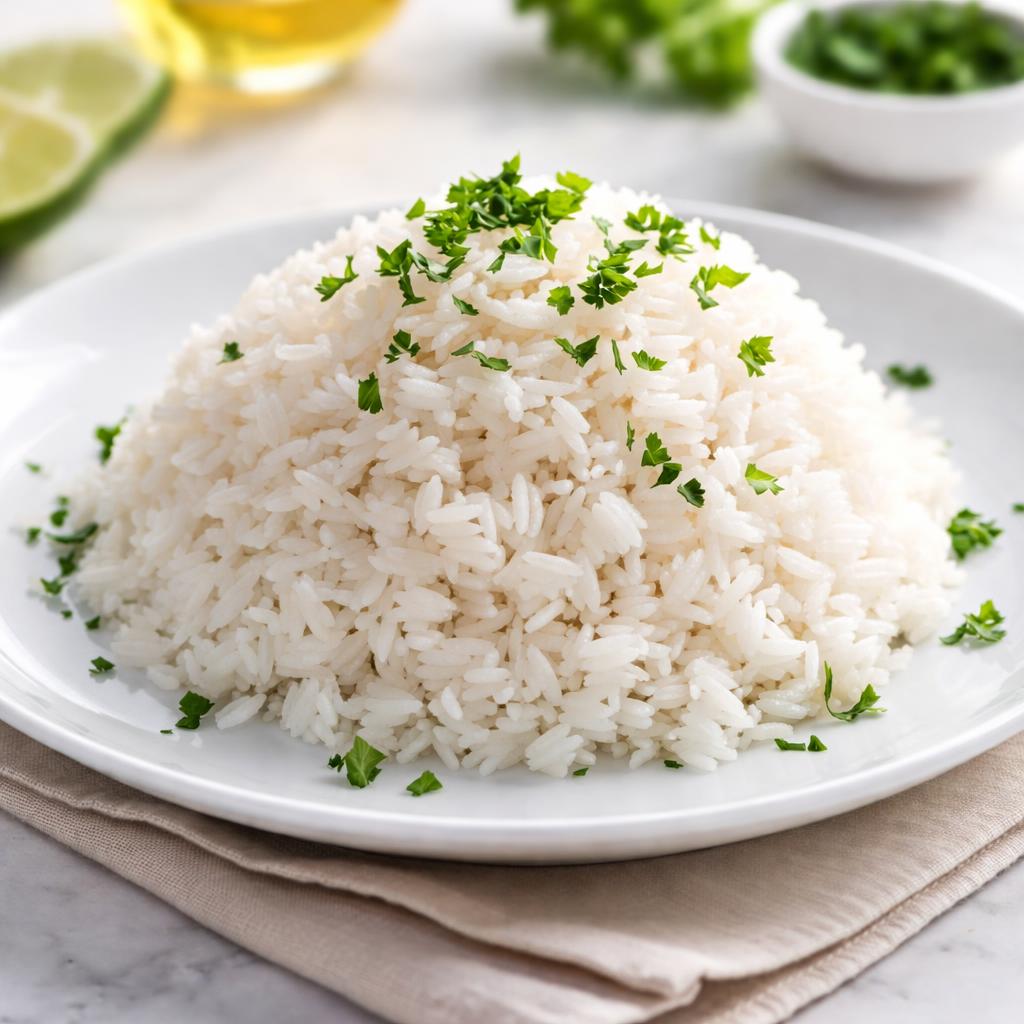
Rice
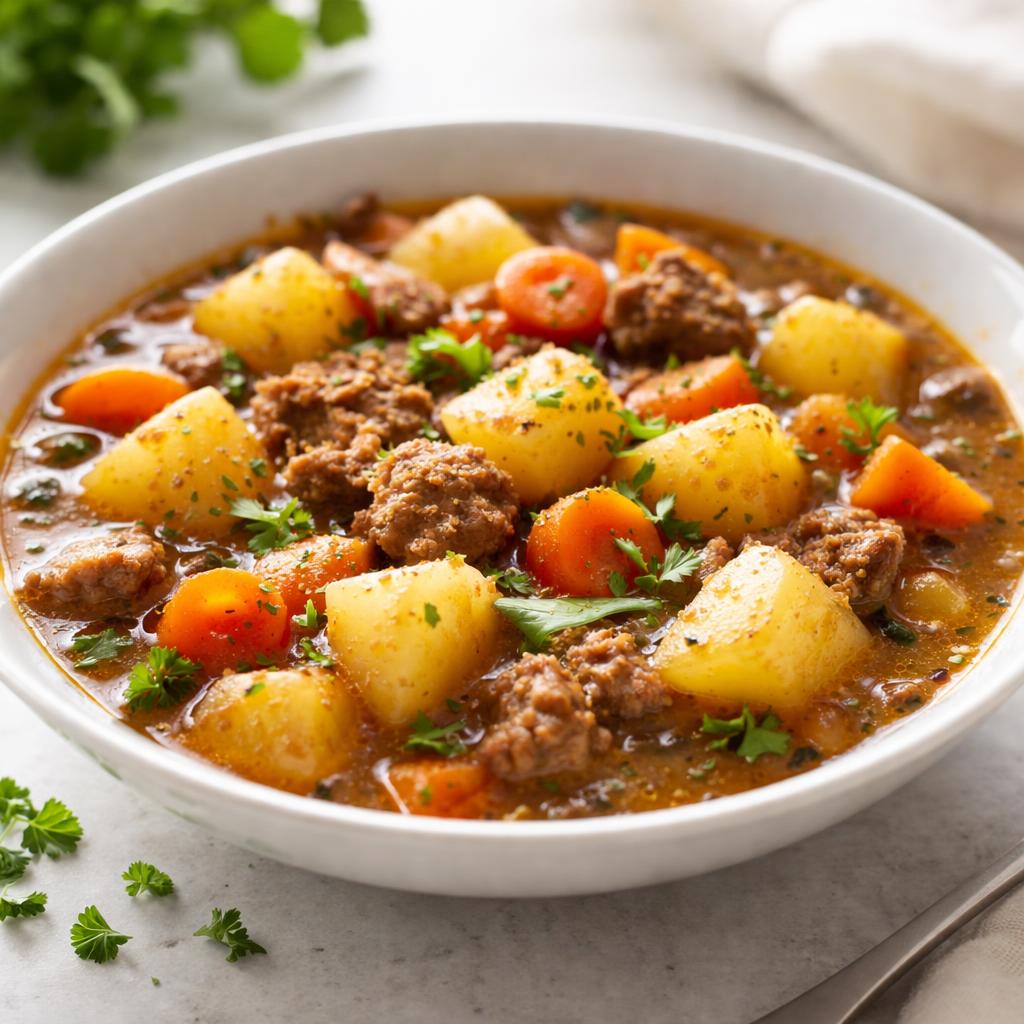
Potato Stew
🎯 Quick Verdict
Rice is lower in calories and carbohydrates compared to potato stew, making it preferable for weight management and low-carb diets. Potato stew, on the other hand, provides more fiber and a wider variety of vitamins and minerals, making it ideal for overall nutrient density and heart health. Both are vegan-friendly and gluten-free but serve distinct dietary goals depending on nutritional needs.

Smart Nutrition Tracking with SnapCalorie

📊 Nutritional Comparison
Macronutrients
| Nutrient | Food 1 | Food 2 | Winner |
|---|---|---|---|
| Calories | 130 | 170 | ✓ |
| Protein | 2.6g | 2.5g | − |
| Carbs | 28g | 31g | ✓ |
| Fat | 0.3g | 5g | ✓ |
| Fiber | 0.4g | 2g | ✓ |
Vitamins & Minerals
| Nutrient | Food 1 | Food 2 | Winner |
|---|---|---|---|
| Vitamin C | 0mg | 10mg | ✓ |
| Vitamin D | 0mcg | 0mcg | − |
| Calcium | 10mg | 20mg | ✓ |
| Iron | 1mg | 0.6mg | ✓ |
🏆 Category Winners
Protein
Both foods provide nearly the same protein content per serving.
Fiber
Potato stew contains 5x more fiber than rice.
Calories
Rice has 23% fewer calories than potato stew.
Vitamins
Potato stew is richer in vitamin C, calcium, and other nutrients.
🥗 Diet Compatibility
Keto
Food 1: Not Compatible
Food 2: Not Compatible
Both foods are high-carb and not suitable for keto diets.
Vegan
Food 1: Compatible
Food 2: Compatible
Both are plant-based and vegan-friendly.
Gluten Free
Food 1: Compatible
Food 2: Compatible
Neither contains gluten.
Paleo
Food 1: Compatible
Food 2: Not Compatible
Rice is accepted on some paleo diets, whereas modern stews often include processed ingredients.
Low-Carb
Food 1: Not Compatible
Food 2: Not Compatible
Both foods are high in carbohydrates.
💪 Health Benefits Comparison
Food 1 Benefits
- Low in calories for weight management
- Good source of quick-digesting carbohydrates
- Provides small amounts of iron for healthy blood
Food 2 Benefits
- Rich in fiber for digestive health
- Contains vitamin C for immune function
- Provides healthy fats from added stew ingredients for heart health
- Higher nutrient density overall
✅ The Bottom Line
Rice is a better choice for those seeking lower-calorie and low-fat options or a quick energy boost. Potato stew offers wider nutritional benefits, including fiber, vitamins, and healthy fats, making it ideal for balanced meals and sustained energy. Consider your dietary goals when choosing between them.
Choose Food 1 for: Weight loss, quick energy, simple high-carb needs
Choose Food 2 for: Balanced nutrient density, heart health, sustained energy


