Rice VS Potato Slices
A detailed nutritional comparison

Rice
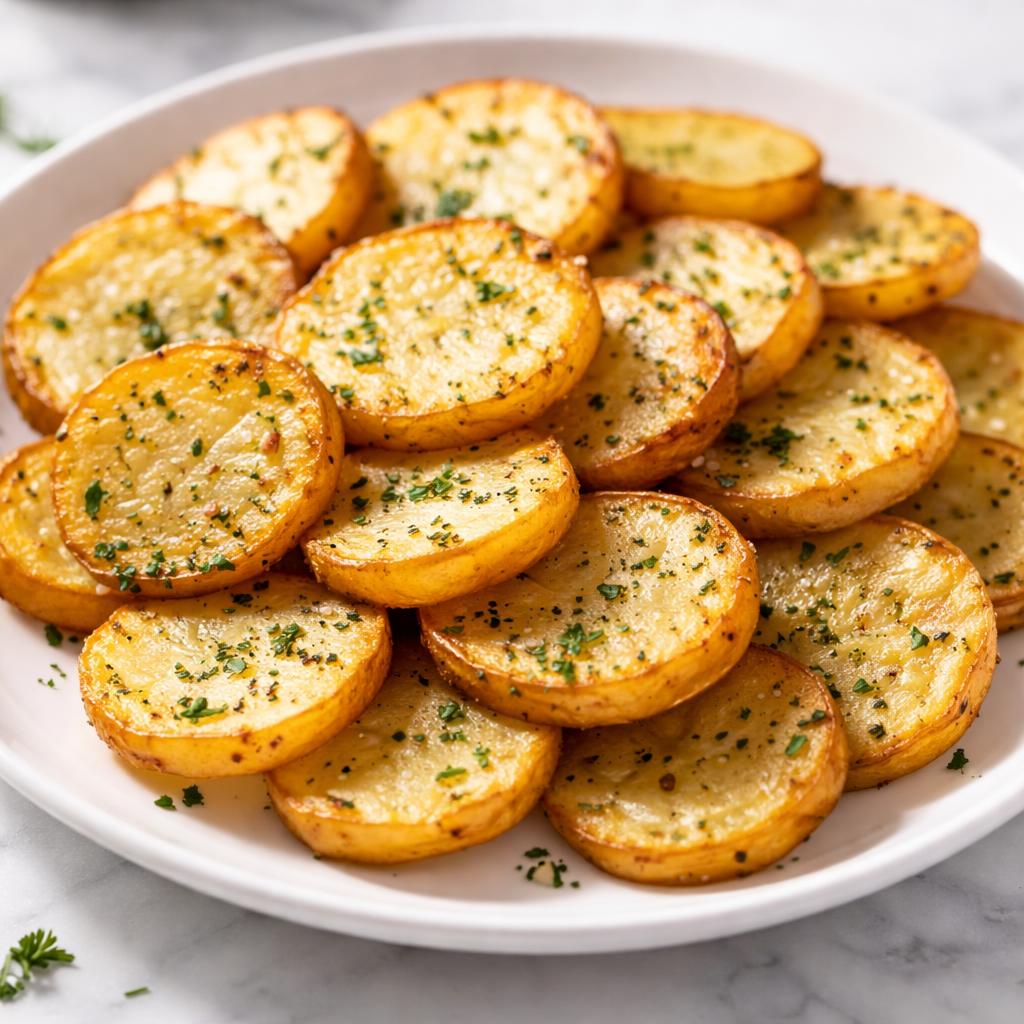
Potato Slices
🎯 Quick Verdict
Rice and potato slices both offer distinct benefits. Rice is lower in calories and has a balanced macro profile, making it ideal for weight loss or energy sustenance. Potato slices, however, provide slightly more fiber and offer a good source of antioxidants and vitamins like vitamin C, making them better for overall nutrient density and digestion. Choose based on your dietary goals and energy needs.

Smart Nutrition Tracking with SnapCalorie

📊 Nutritional Comparison
Macronutrients
| Nutrient | Food 1 | Food 2 | Winner |
|---|---|---|---|
| Calories | 130 | 160 | ✓ |
| Protein | 2.5g | 2g | − |
| Carbs | 28g | 37g | ✓ |
| Fat | 0.3g | 0.2g | ✓ |
| Fiber | 0.4g | 2g | ✓ |
Vitamins & Minerals
| Nutrient | Food 1 | Food 2 | Winner |
|---|---|---|---|
| Vitamin C | 0mg | 15mg | ✓ |
| Vitamin B6 | 0.12mg | 0.3mg | ✓ |
| Potassium | 35mg | 425mg | ✓ |
🏆 Category Winners
Protein
Both foods contain similar amounts of protein, with rice slightly leading but not significantly.
Fiber
Potato slices offer 5 times more fiber compared to rice.
Calories
Rice has approximately 20% fewer calories than potato slices.
🥗 Diet Compatibility
Keto
Food 1: Not Compatible
Food 2: Not Compatible
Both foods are high in carbs, making them unsuitable for keto diets.
Vegan
Food 1: Compatible
Food 2: Compatible
Both rice and potato slices are plant-based and vegan-friendly.
Gluten Free
Food 1: Compatible
Food 2: Compatible
Both foods are naturally gluten-free.
Paleo
Food 1: Not Compatible
Food 2: Compatible
Potato slices align with paleo guidelines, but rice, being a grain, does not.
Low Carb
Food 1: Not Compatible
Food 2: Not Compatible
Each food is relatively high in carbs and not appropriate for low-carb diets.
💪 Health Benefits Comparison
Food 1 Benefits
- Low in calories for weight management
- Provides sustained energy through carbohydrates
- Naturally gluten-free and ideal for individuals with wheat intolerance
Food 2 Benefits
- Rich in fiber to support digestion
- High in vitamin C for boosting immune health
- Contains potassium for maintaining electrolyte balance and heart health
✅ The Bottom Line
Rice is better for calorie-conscious diets or as a carbohydrate source to support weight management and energy. Potato slices are more nutrient-dense, offering higher fiber and vitamins, making them ideal for overall nutrition and digestion. Use rice for lower-calorie meals and potatoes for a nutrient boost.
Choose Food 1 for: Low-calorie meals, energy sustenance, wheat-free diets
Choose Food 2 for: Improved digestion, nutrient density, immune support


