Rice VS Pork Tenderloin
A detailed nutritional comparison
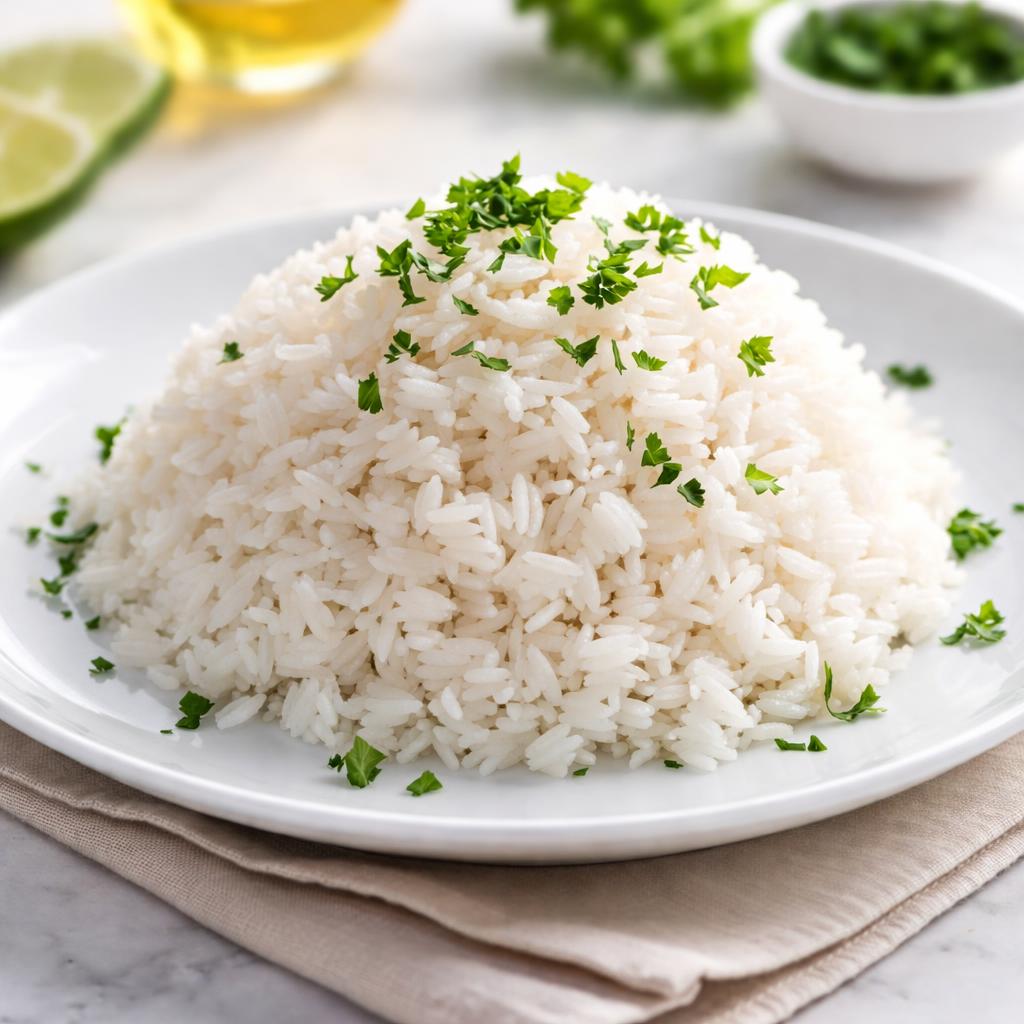
Rice
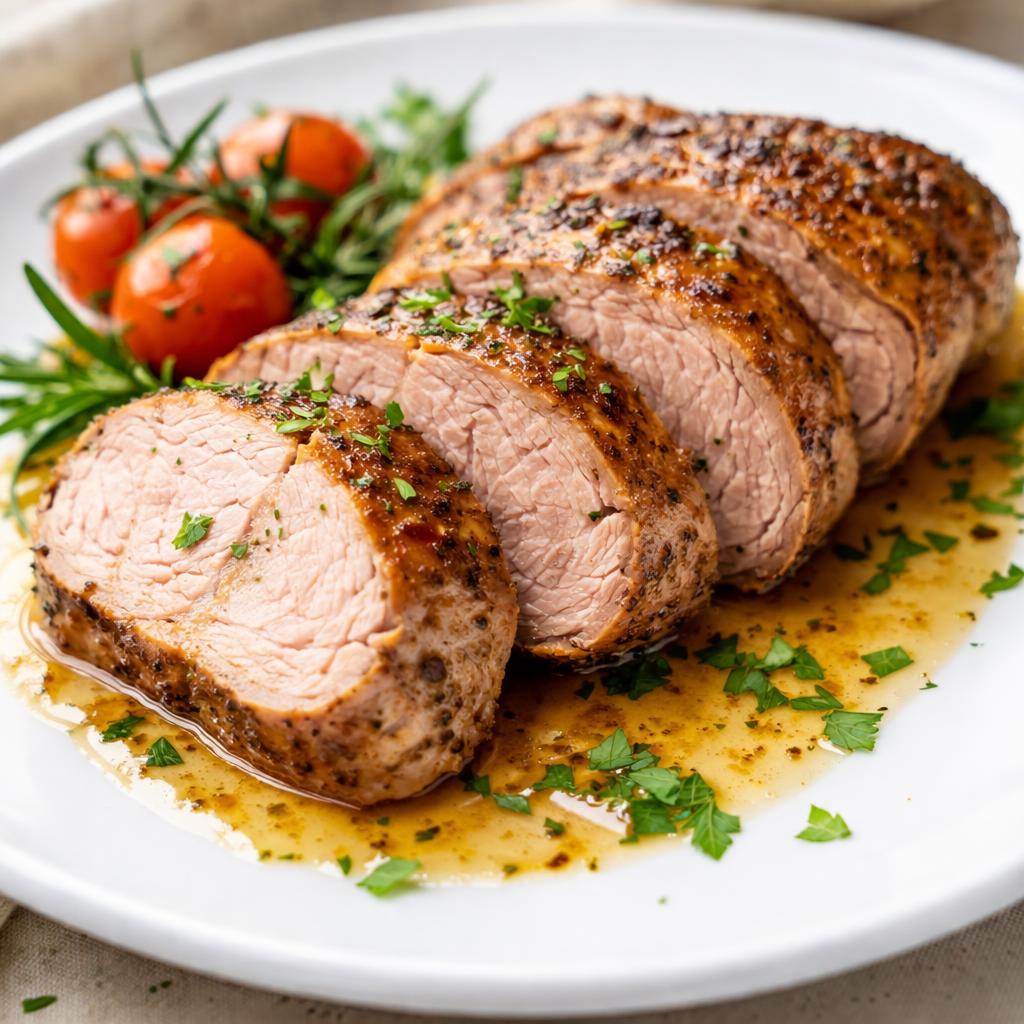
Pork Tenderloin
🎯 Quick Verdict
Food1 (rice) is a carbohydrate-rich food, offering fiber and energy, while Food2 (pork tenderloin) is protein-dense and lower in calories. Rice is ideal for energy and vegetarian diets, whereas pork tenderloin supports muscle growth and weight management due to its high protein and lower fat content.

Smart Nutrition Tracking with SnapCalorie

📊 Nutritional Comparison
Macronutrients
| Nutrient | Food 1 | Food 2 | Winner |
|---|---|---|---|
| Calories | 205 per cup (cooked) | 143 per 3 oz (cooked) | ✓ |
| Protein | 4.2g per cup (cooked) | 26g per 3 oz (cooked) | ✓ |
| Carbs | 44.5g per cup (cooked) | 0g per 3 oz (cooked) | ✓ |
| Fat | 0.44g per cup (cooked) | 3.5g per 3 oz (cooked) | ✓ |
| Fiber | 0.6g per cup (cooked) | 0g per 3 oz (cooked) | ✓ |
Vitamins & Minerals
| Nutrient | Food 1 | Food 2 | Winner |
|---|---|---|---|
| Vitamin D | 0mcg | 0.9mcg per 3 oz (cooked) | ✓ |
| Calcium | 16mg per cup (cooked) | 7mg per 3 oz (cooked) | ✓ |
| Iron | 1.9mg per cup (cooked) | 0.87mg per 3 oz (cooked) | ✓ |
🏆 Category Winners
Protein
Pork tenderloin provides 6 times more protein per serving compared to rice.
Fiber
Rice provides 0.6g of fiber per serving, while pork tenderloin has none.
Calories
Pork tenderloin is 30% lower in calories compared to rice.
Vitamins
Pork tenderloin contributes Vitamin D, which rice lacks entirely.
🥗 Diet Compatibility
Keto
Food 1: Not Compatible
Food 2: Compatible
Pork tenderloin is low-carb, while rice is carb-heavy.
Vegan
Food 1: Compatible
Food 2: Not Compatible
Rice is plant-based, but pork tenderloin is animal protein.
Gluten Free
Food 1: Compatible
Food 2: Compatible
Neither contains gluten.
Paleo
Food 1: Not Compatible
Food 2: Compatible
Rice is a grain, while pork tenderloin fits paleo criteria.
Low Carb
Food 1: Not Compatible
Food 2: Compatible
Rice is high in carbohydrates, unlike pork tenderloin.
💪 Health Benefits Comparison
Food 1 Benefits
- Provides sustained energy due to complex carbohydrates
- Contains iron for healthy red blood cell production
- Low fat and cholesterol, making it heart-friendly
- Can be fortified with nutrients like B vitamins in enriched varieties
Food 2 Benefits
- High in protein for muscle building and repair
- Low in calories, suitable for weight management
- Contains Vitamin D, supporting bone health
- Provides selenium and B vitamins for metabolic support
✅ The Bottom Line
Rice is a good choice for energy and vegetarian diets, while pork tenderloin is ideal for high-protein, low-carb lifestyles. Choose rice for endurance activities or vegan meals, and opt for pork tenderloin to support muscle growth and weight control.
Choose Food 1 for: Energy provision, vegetarian diets, endurance activities
Choose Food 2 for: Weight management, muscle growth, keto/paleo lifestyles


