Rice VS Pork
A detailed nutritional comparison
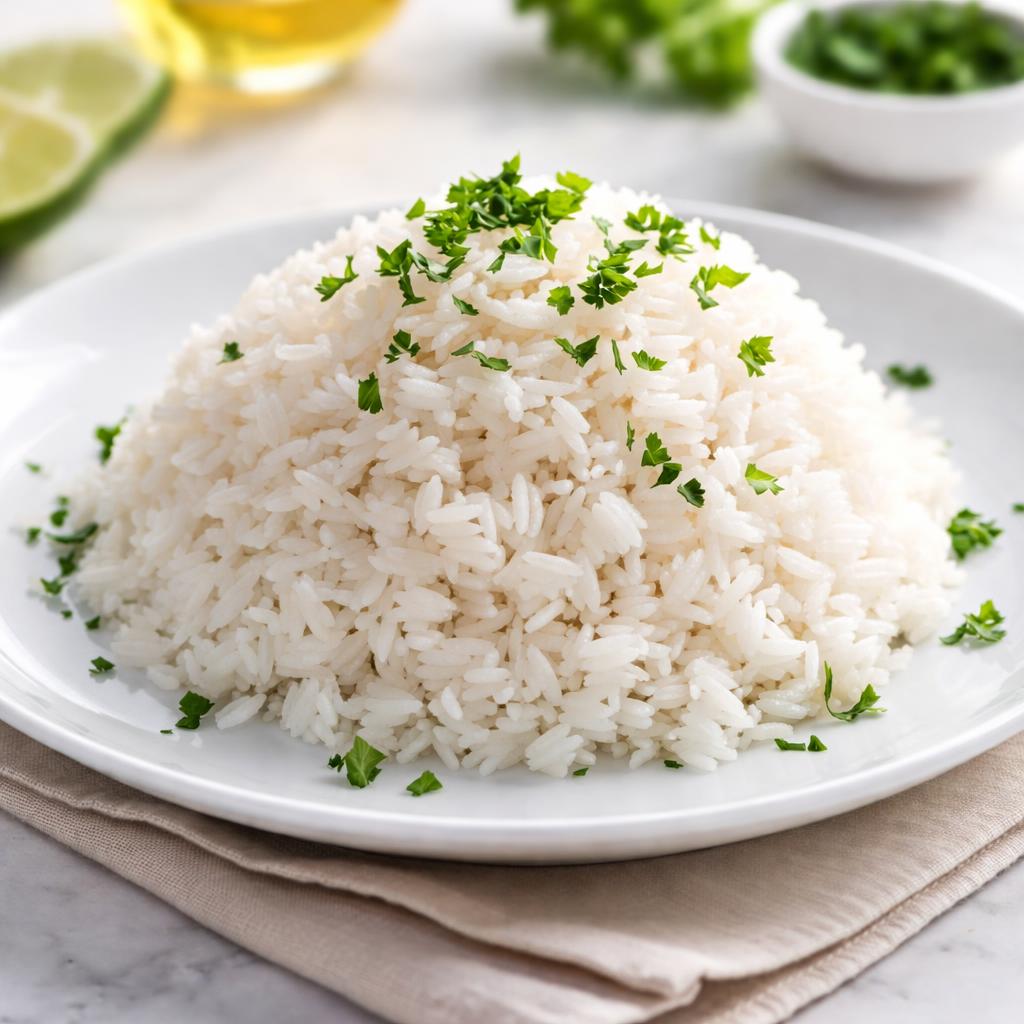
Rice
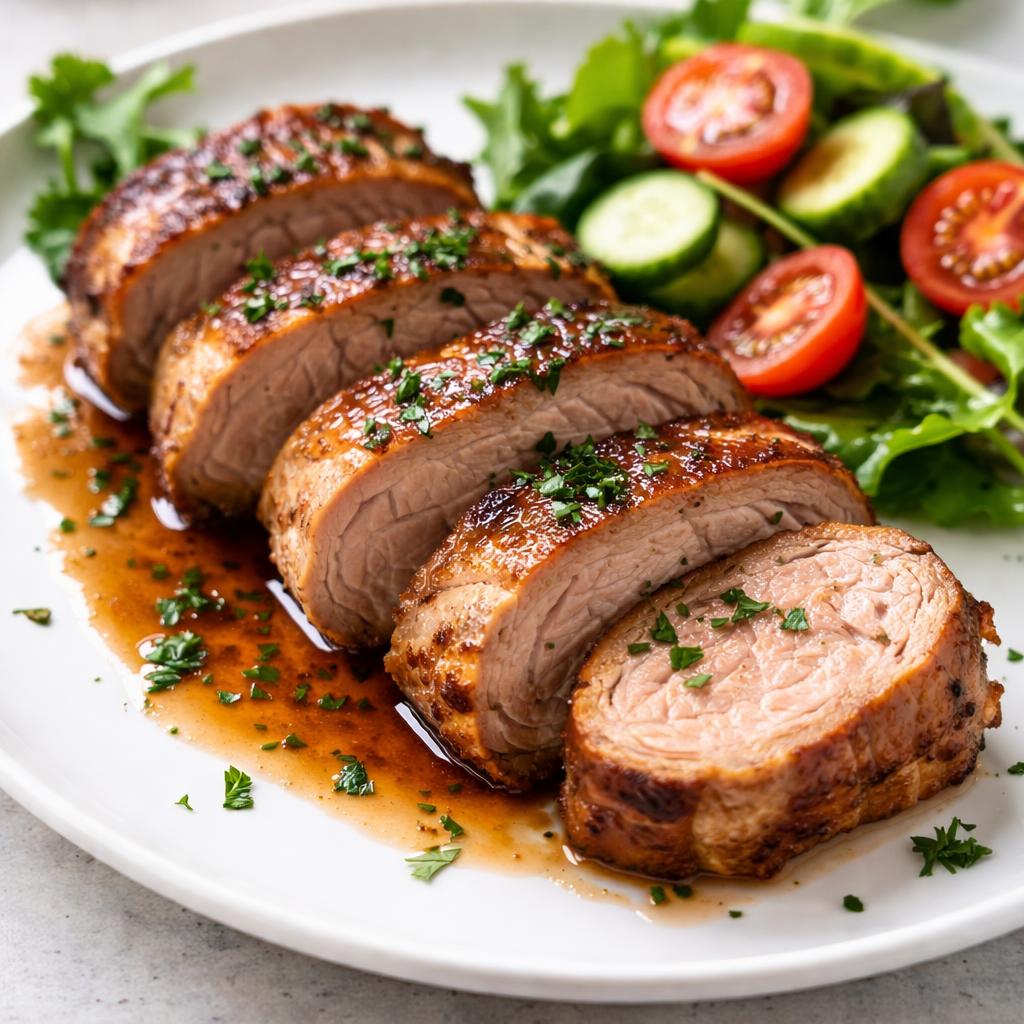
Pork
🎯 Quick Verdict
Rice and pork are vastly different nutritionally. Rice is high in carbohydrates and fiber but low in protein and fat, making it ideal for energy and digestive support. Pork is protein-rich with moderate fat content, providing key nutrients like iron and vitamin B12, suitable for muscle repair and general nourishment.

Smart Nutrition Tracking with SnapCalorie

📊 Nutritional Comparison
Macronutrients
| Nutrient | Food 1 | Food 2 | Winner |
|---|---|---|---|
| Calories | 130 (per 100g cooked) | 242 (per 100g cooked) | ✓ |
| Protein | 2.7g (per 100g cooked) | 22g (per 100g cooked) | ✓ |
| Carbs | 28g (per 100g cooked) | 0g | ✓ |
| Fat | 0.3g (per 100g cooked) | 13g (per 100g cooked) | ✓ |
| Fiber | 0.4g (per 100g cooked) | 0g | ✓ |
Vitamins & Minerals
| Nutrient | Food 1 | Food 2 | Winner |
|---|---|---|---|
| Vitamin B12 | 0mcg | 0.6mcg (per 100g cooked) | ✓ |
| Iron | 0.2mg (per 100g cooked) | 1mg (per 100g cooked) | ✓ |
| Magnesium | 12mg (per 100g cooked) | 15mg (per 100g cooked) | ✓ |
🏆 Category Winners
Protein
Pork delivers nearly 10x more protein compared to rice.
Fiber
Rice has trace amounts of fiber, while pork has none.
Calories
Rice contains roughly 46% fewer calories than pork.
🥗 Diet Compatibility
Keto
Food 1: Not Compatible
Food 2: Compatible
Pork fits low-carb keto diets, whereas rice is carb-heavy.
Vegan
Food 1: Compatible
Food 2: Not Compatible
Rice is plant-based while pork is animal-derived.
Gluten Free
Food 1: Compatible
Food 2: Compatible
Both foods are naturally gluten-free.
Paleo
Food 1: Not Compatible
Food 2: Compatible
Pork adheres to paleo principles; rice does not.
Low Carb
Food 1: Not Compatible
Food 2: Compatible
Rice is high in carbohydrates, but pork contains none.
💪 Health Benefits Comparison
Food 1 Benefits
- Excellent source of quick energy due to carbohydrates
- Low in fat, suitable for reducing total fat consumption
- Provides small amounts of fiber for aiding digestion
Food 2 Benefits
- Rich source of complete protein ideal for muscle growth and repair
- Contains B vitamins, including B12, essential for energy metabolism
- Good source of iron for supporting oxygen transport in the body
✅ The Bottom Line
Rice is best for energy-focused meals or vegetarian diets, while pork suits high-protein, low-carb diets and muscle recovery. Both are versatile but cater to different dietary goals.
Choose Food 1 for: Energy supply, plant-based diets, low-fat diets
Choose Food 2 for: Muscle recovery, low-carb diets, paleo or keto lifestyle


