Rice VS Pink Drink
A detailed nutritional comparison
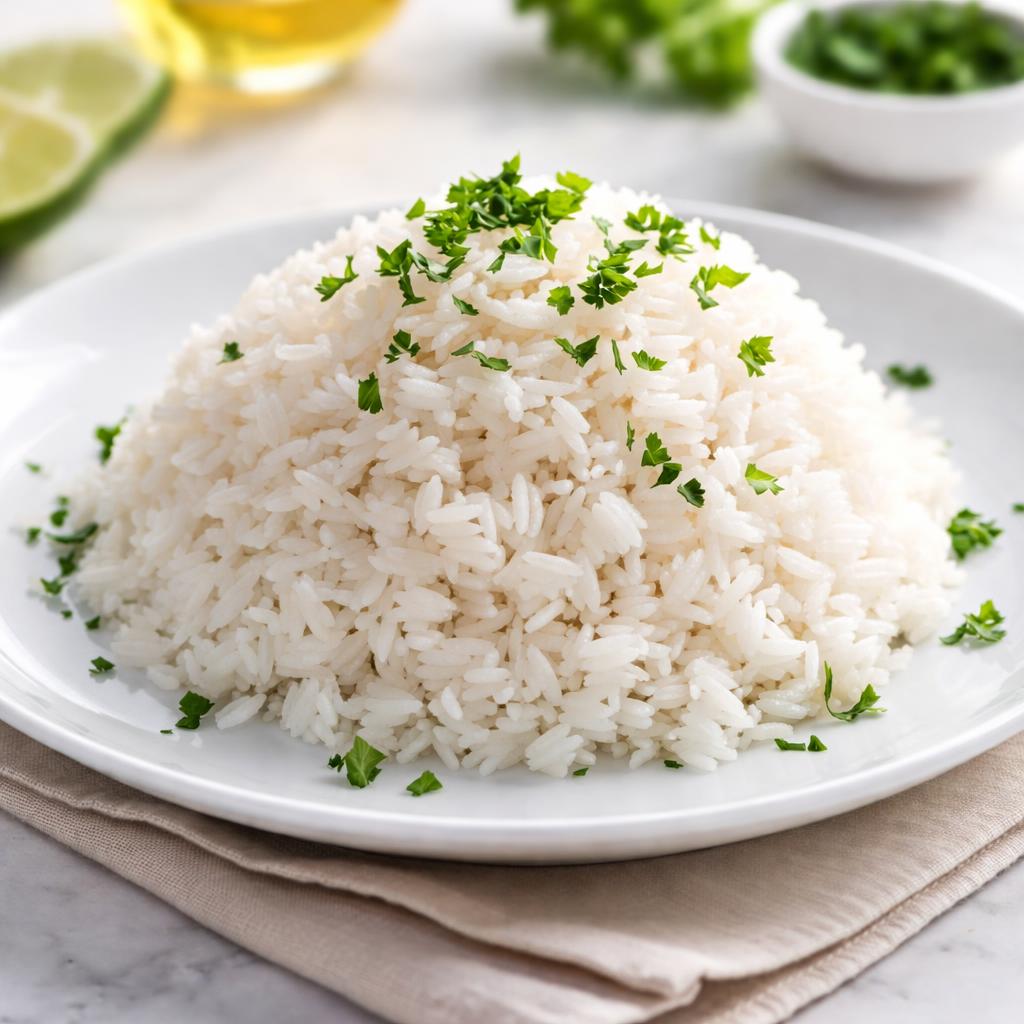
Rice
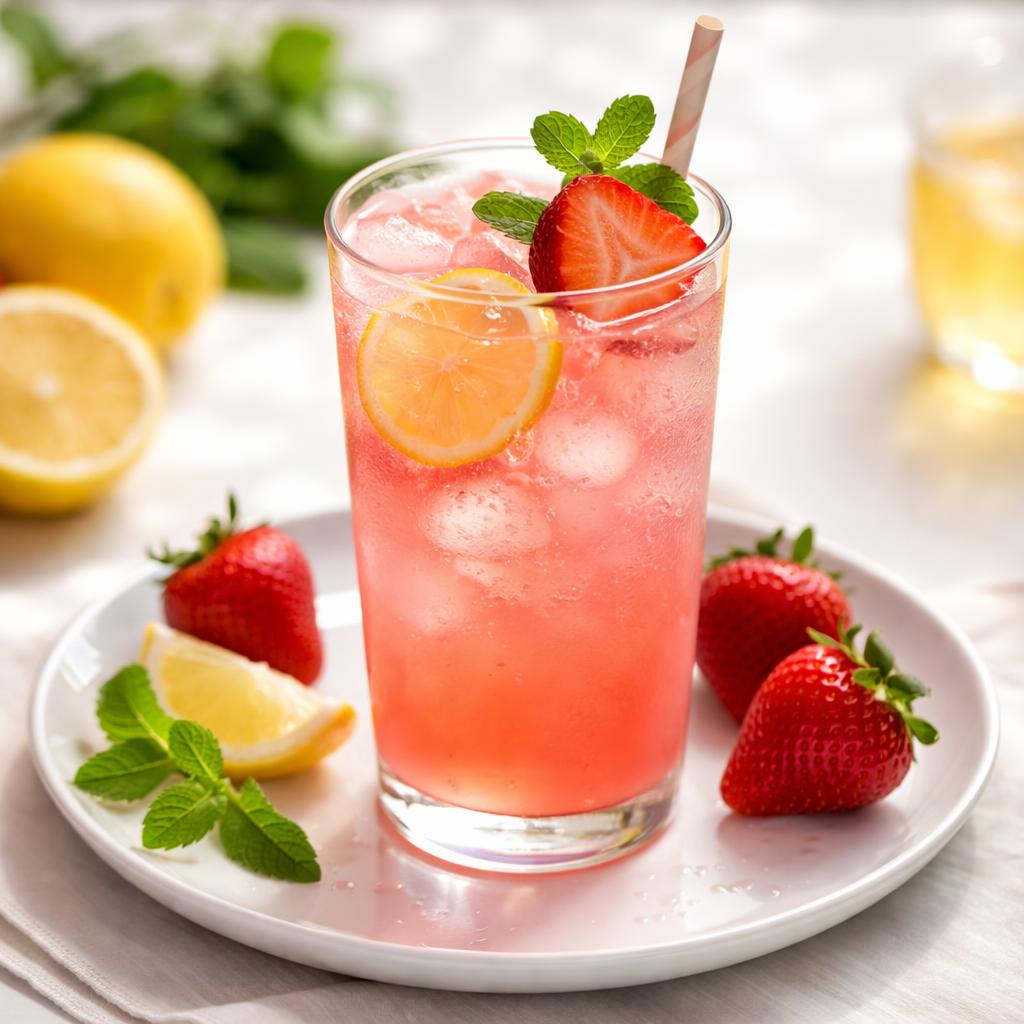
Pink Drink
🎯 Quick Verdict
Rice stands out as the nutritionally denser option compared to the Pink Drink, offering complex carbohydrates, fiber, protein, and essential nutrients. The Pink Drink is lower in nutritional value but serves as a flavored beverage option, with added sugars and minimal macronutrients. Rice is versatile and can be a staple for meals, whereas the Pink Drink fits better as an occasional, refreshing treat.

Smart Nutrition Tracking with SnapCalorie

📊 Nutritional Comparison
Macronutrients
| Nutrient | Food 1 | Food 2 | Winner |
|---|---|---|---|
| Calories | 130 (per 1 cup cooked) | 140 (per 16oz serving) | ✓ |
| Protein | 2.7g | 0g | ✓ |
| Carbs | 28g | 27g | − |
| Fat | 0.3g | 3.5g | ✓ |
| Fiber | 0.4g | 0g | ✓ |
Vitamins & Minerals
| Nutrient | Food 1 | Food 2 | Winner |
|---|---|---|---|
| Vitamin D | 0mcg | 0mcg | − |
| Calcium | 10mg | 25mg | ✓ |
| Iron | 0.2mg | 0mg | ✓ |
🏆 Category Winners
Protein
Rice contains 2.7g of protein per serving, while the Pink Drink has 0g.
Fiber
Rice offers 0.4g of fiber, while the Pink Drink contains none.
Calories
Rice provides fewer calories per serving (130 vs. 140).
🥗 Diet Compatibility
Keto
Food 1: Not Compatible
Food 2: Not Compatible
Both are relatively high in carbohydrates.
Vegan
Food 1: Compatible
Food 2: Compatible
Both are plant-based with no animal-derived ingredients.
Gluten Free
Food 1: Compatible
Food 2: Compatible
Neither contain gluten.
Paleo
Food 1: Compatible
Food 2: Not Compatible
Rice is a whole food, while the Pink Drink contains processed ingredients.
Low Carb
Food 1: Not Compatible
Food 2: Not Compatible
Both are carbohydrate-rich foods.
💪 Health Benefits Comparison
Food 1 Benefits
- Provides complex carbohydrates for sustained energy
- Low in fat and supports overall healthy eating patterns
- Contains trace minerals like magnesium and selenium
Food 2 Benefits
- Refreshing hydration with a flavored option
- Contains small amounts of calcium
- May provide antioxidants from ingredients like strawberries
✅ The Bottom Line
Choose rice for a nutritious, versatile food that can serve as the base of meals and provide essential nutrients. Opt for the Pink Drink as a light, occasional refreshment with added flavor but limited nutritional benefits.
Choose Food 1 for: Meal preparation, energy for workouts, balanced diet
Choose Food 2 for: Light refreshment, flavored drink option, occasional treat


