Rice VS Peas And Carrots
A detailed nutritional comparison
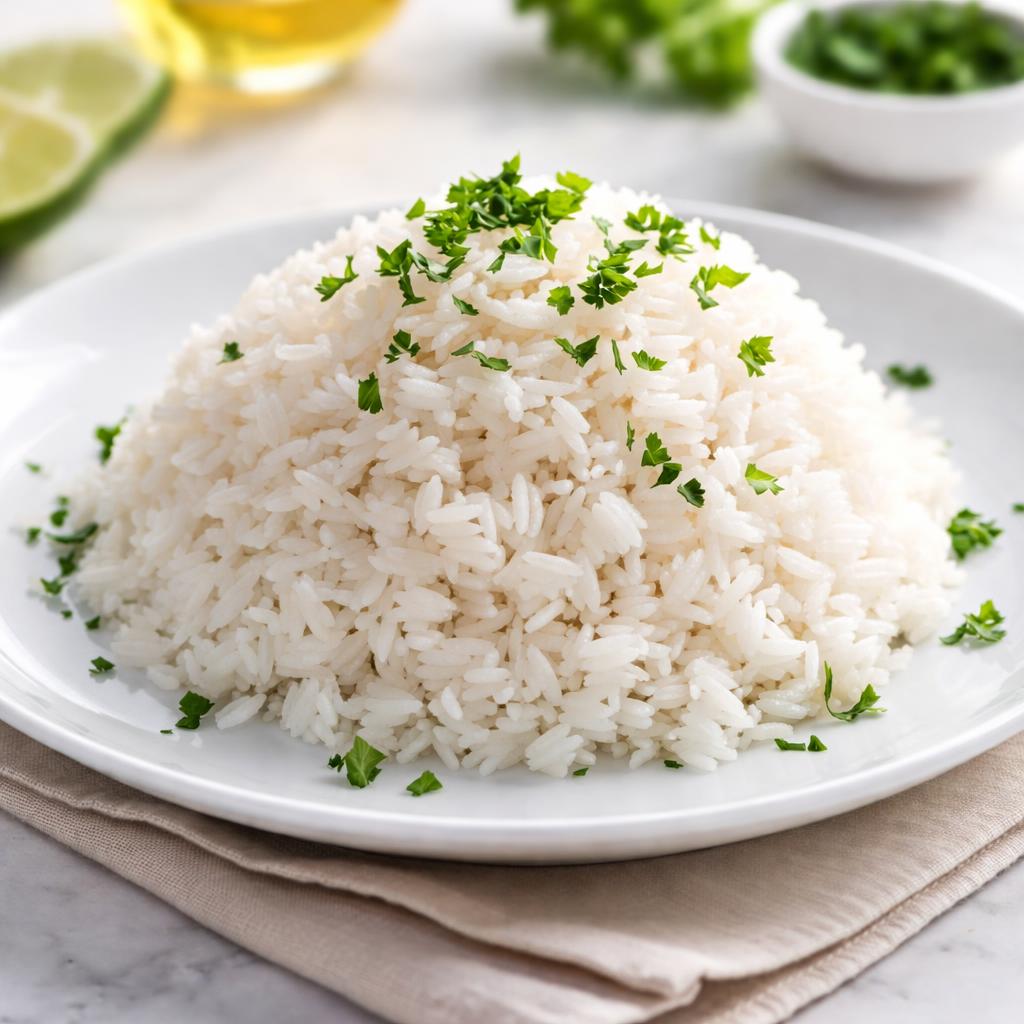
Rice
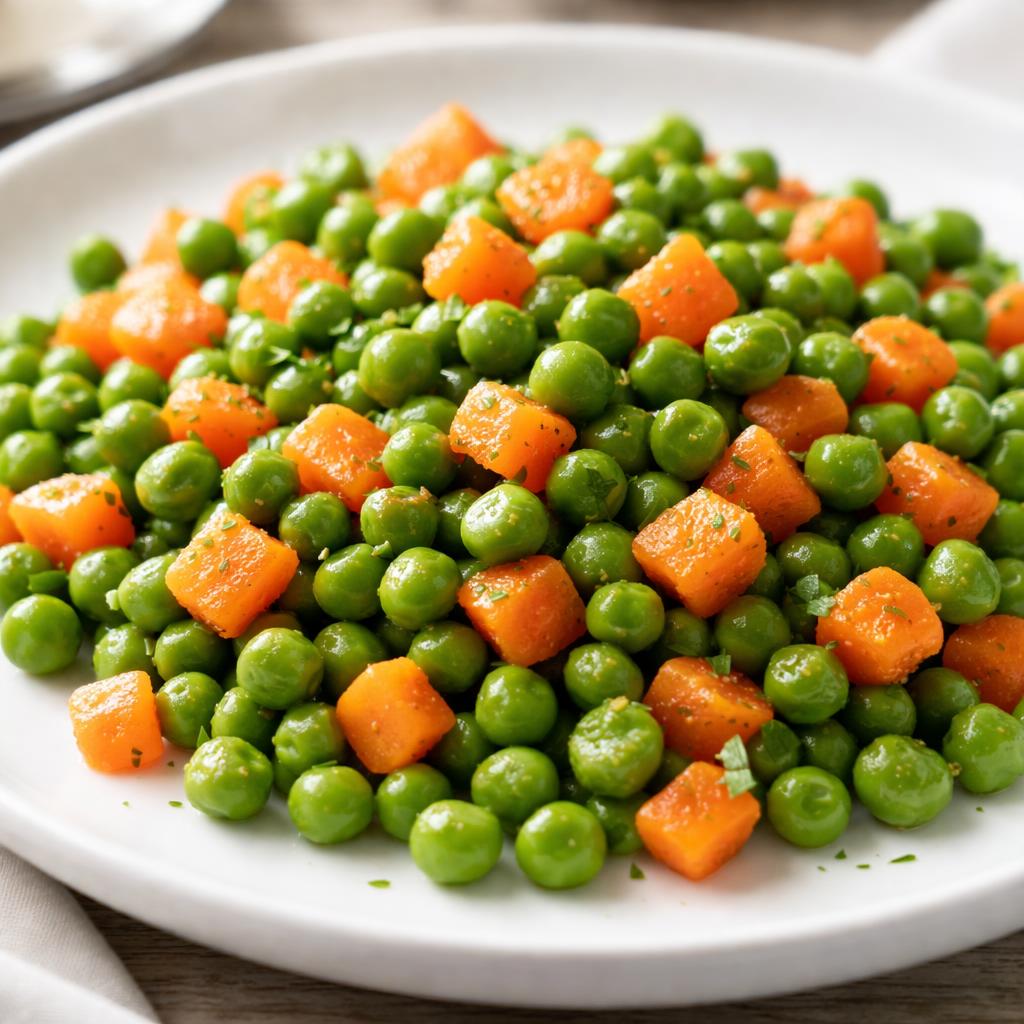
Peas And Carrots
🎯 Quick Verdict
Peas and carrots overall provide more nutrients compared to rice, including higher protein and fiber, as well as essential vitamins and minerals. Rice, however, is a versatile carbohydrate source ideal for energy-dense meals or pairing with protein-rich dishes. Peas and carrots work better for lighter, nutrient-dense meals or as a side supporting heart health and digestion benefits.

Smart Nutrition Tracking with SnapCalorie

📊 Nutritional Comparison
Macronutrients
| Nutrient | Food 1 | Food 2 | Winner |
|---|---|---|---|
| Calories | 205 (1 cup, white rice) | 55 (1 cup, cooked peas and carrots) | ✓ |
| Protein | 4.3g | 3g | ✓ |
| Carbs | 44.5g | 9.5g | ✓ |
| Fat | 0.4g | 0.4g | − |
| Fiber | 0.6g | 4g | ✓ |
Vitamins & Minerals
| Nutrient | Food 1 | Food 2 | Winner |
|---|---|---|---|
| Vitamin A | 0mcg | 8,400mcg | ✓ |
| Vitamin C | 0mg | 12mg | ✓ |
| Iron | 1mg | 1.5mg | ✓ |
🏆 Category Winners
Protein
Rice has slightly more protein per cup compared to peas and carrots.
Fiber
Peas and carrots provide nearly 7x more fiber per serving than rice.
Calories
Peas and carrots are significantly lower in calories than rice, making them better for weight loss.
Vitamins
Peas and carrots are rich in Vitamin A and Vitamin C, while rice lacks these vitamins.
🥗 Diet Compatibility
Keto
Food 1: Not Compatible
Food 2: Compatible
Peas and carrots are lower in carbs and better fit low-carb diets.
Vegan
Food 1: Compatible
Food 2: Compatible
Both foods are plant-based and suitable for vegans.
Gluten Free
Food 1: Compatible
Food 2: Compatible
Neither rice nor peas and carrots contain gluten.
Paleo
Food 1: Compatible
Food 2: Compatible
Both foods align with paleo diet principles when unprocessed.
Low-Carb
Food 1: Not Compatible
Food 2: Compatible
Peas and carrots are significantly lower in carbs compared to rice.
💪 Health Benefits Comparison
Food 1 Benefits
- Provides a good source of energy from carbohydrates
- Easily digestible and suitable for sensitive stomachs
- Customizable for balanced diets by pairing with proteins and vegetables
Food 2 Benefits
- Rich in Vitamin A for eye health and immunity
- High in fiber, supporting digestion and fullness
- Contains antioxidants for overall cell protection
- Lower calorie option ideal for weight management
✅ The Bottom Line
Rice is a staple carb source and ideal for energy-dense meals or pairing with protein in balanced diets. Peas and carrots, on the other hand, are nutrient-dense, lower calorie, and higher fiber options great for lighter meals and supporting overall health. In weight management or nutrition-focused diets, peas and carrots stand out, while rice is better suited for active lifestyles needing higher energy intake.
Choose Food 1 for: Energy-dense meals, pairing with protein, post-workout energy
Choose Food 2 for: Weight loss, heart health, digestive health, nutrient-packed sides or main.


