Rice VS Parsley
A detailed nutritional comparison
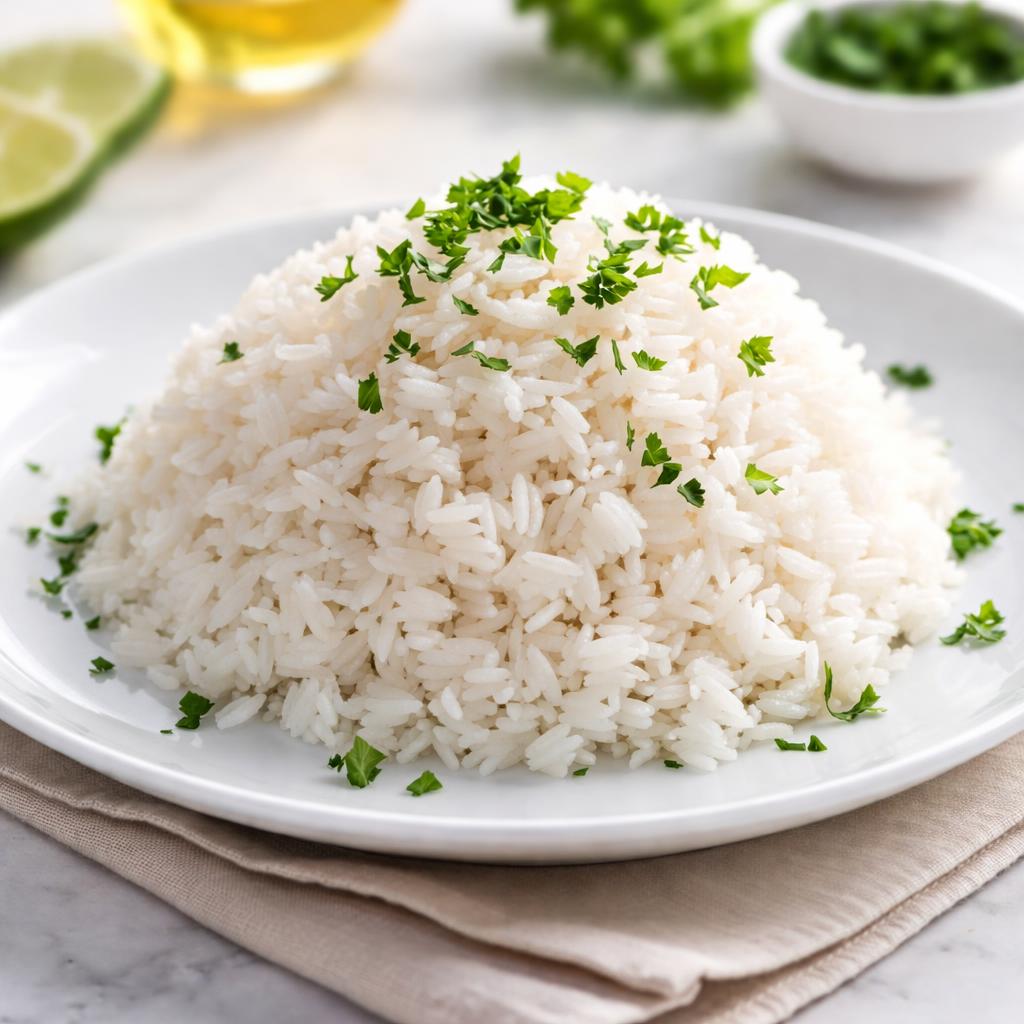
Rice
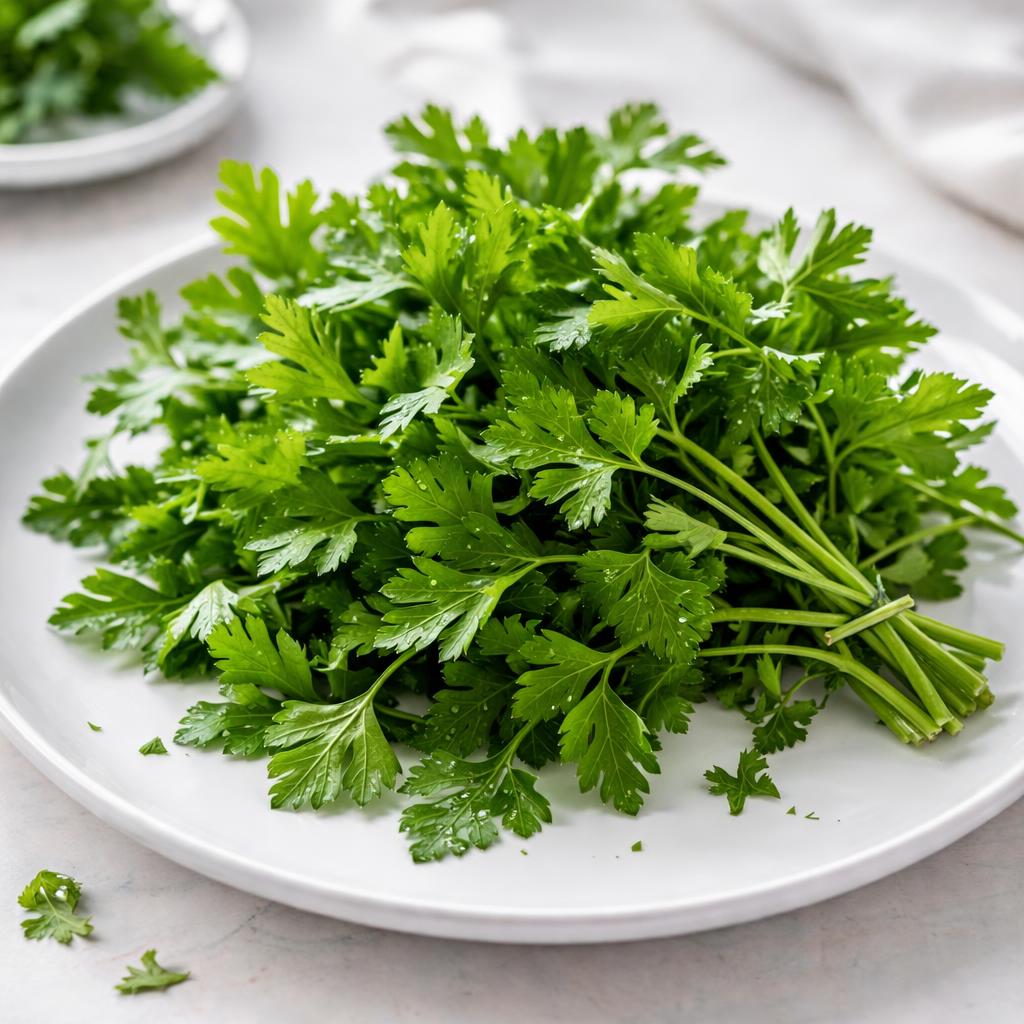
Parsley
🎯 Quick Verdict
Rice and parsley are fundamentally different in nutritional profiles and uses. Parsley is nutrient-dense, offering significantly more fiber, protein, and vitamins in a low-calorie serving, making it ideal for nutrient-boosting meals. Meanwhile, rice provides higher calories and carbs, which make it a better choice for energy and satiety in balanced meals.

Smart Nutrition Tracking with SnapCalorie

📊 Nutritional Comparison
Macronutrients
| Nutrient | Food 1 | Food 2 | Winner |
|---|---|---|---|
| Calories | 130 (per 100g cooked) | 36 (per 100g raw) | ✓ |
| Protein | 2.7g | 3.0g | ✓ |
| Carbs | 28g | 6g | ✓ |
| Fat | 0.3g | 0.8g | ✓ |
| Fiber | 0.4g | 3.3g | ✓ |
Vitamins & Minerals
| Nutrient | Food 1 | Food 2 | Winner |
|---|---|---|---|
| Vitamin A | 0 IU | 8424 IU | ✓ |
| Vitamin C | 0 mg | 133 mg | ✓ |
| Calcium | 10 mg | 138 mg | ✓ |
| Iron | 0.2 mg | 6.2 mg | ✓ |
🏆 Category Winners
Protein
Parsley contains marginally more protein per serving and is nutrient-dense.
Fiber
Parsley provides over 8 times more fiber compared to rice in equal weight servings.
Calories
Parsley is extremely low-calorie compared to energy-dense rice.
Vitamins
Parsley is significantly richer in essential vitamins like A, C, calcium, and iron.
🥗 Diet Compatibility
Keto
Food 1: Not Compatible
Food 2: Compatible
Rice is high-carb, while parsley is low-carb.
Vegan
Food 1: Compatible
Food 2: Compatible
Both options are plant-based.
Gluten Free
Food 1: Compatible
Food 2: Compatible
Neither food contains gluten.
Paleo
Food 1: Compatible
Food 2: Compatible
Both foods fall under paleo-friendly guidelines.
Low-Carb
Food 1: Not Compatible
Food 2: Compatible
Rice has high carbohydrate content, whereas parsley is very low-carb.
💪 Health Benefits Comparison
Food 1 Benefits
- Provides energy through complex carbohydrates
- Supports satiety and meal volume
- Suitable for athletes needing caloric density
Food 2 Benefits
- Rich in antioxidants for fighting free radicals
- Excellent source of Vitamin C to support immune function
- High fiber content for promoting gut health
- Provides iron for supporting oxygen transport in the body
✅ The Bottom Line
Choose rice as a primary carbohydrate and energy source, particularly in meals requiring long-lasting satiety and calorie density. Opt for parsley when looking to enhance nutrient intake, add flavor, or supplement vitamins and fiber in low-calorie meals.
Choose Food 1 for: Energy meals, general meal base, post-workout carb replenishment
Choose Food 2 for: Nutrient-dense snacks, seasoning dishes, supporting immune health and digestion


