Rice VS Oven Baked Potato
A detailed nutritional comparison
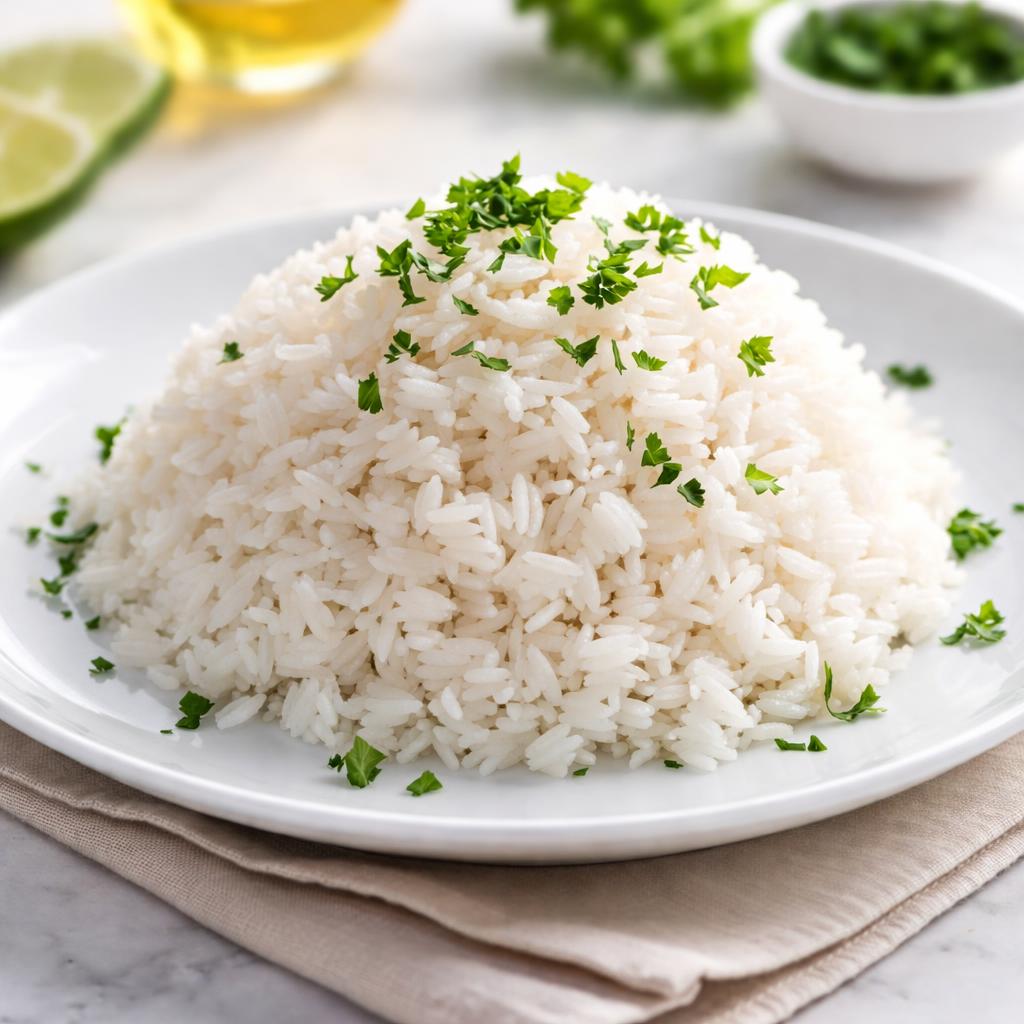
Rice
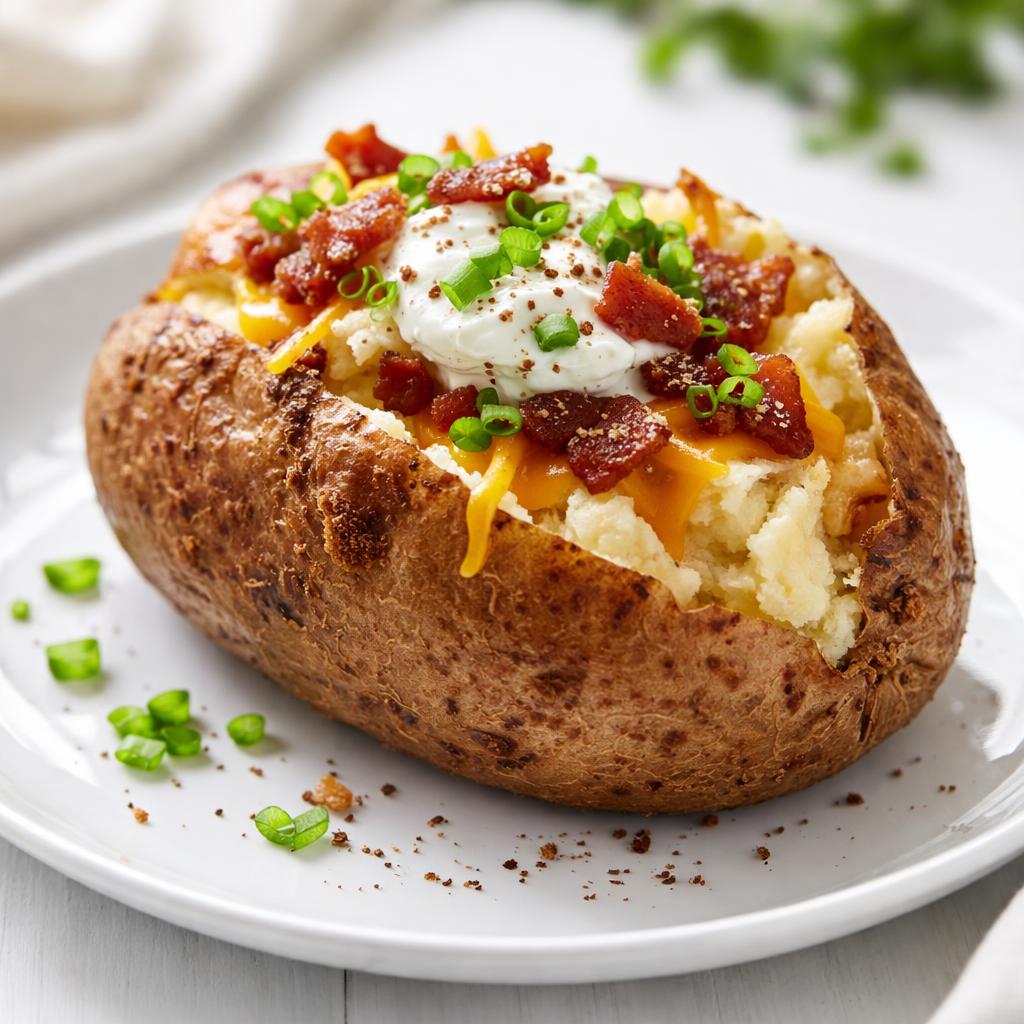
Oven Baked Potato
🎯 Quick Verdict
Oven baked potato has higher protein and fiber content compared to rice, making it a better choice for satiety and digestive health. Rice, however, is lower in calories and carb density, making it ideal for low-calorie meals. Each food has distinct benefits depending on dietary priorities and use cases.

Smart Nutrition Tracking with SnapCalorie

📊 Nutritional Comparison
Macronutrients
| Nutrient | Food 1 | Food 2 | Winner |
|---|---|---|---|
| Calories | 130 (per 100g cooked) | 93 (per 100g baked) | ✓ |
| Protein | 2.7g | 2g | ✓ |
| Carbs | 28g | 21g | ✓ |
| Fat | 0.3g | 0.1g | ✓ |
| Fiber | 0.4g | 2g | ✓ |
Vitamins & Minerals
| Nutrient | Food 1 | Food 2 | Winner |
|---|---|---|---|
| Vitamin C | 0mg | 12mg | ✓ |
| Potassium | 35mg | 535mg | ✓ |
| Iron | 0.2mg | 0.6mg | ✓ |
🏆 Category Winners
Protein
Rice has 35% more protein per 100g serving compared to baked potato.
Fiber
Baked potato has five times more fiber than rice.
Calories
Baked potato has fewer calories per serving, making it the lower-calorie option.
Vitamins
Baked potato provides significantly more Vitamin C and potassium.
🥗 Diet Compatibility
Keto
Food 1: Not Compatible
Food 2: Not Compatible
Both foods are high in carbohydrates.
Vegan
Food 1: Compatible
Food 2: Compatible
Both are plant-based foods.
Gluten Free
Food 1: Compatible
Food 2: Compatible
Neither food contains gluten.
Paleo
Food 1: Compatible
Food 2: Compatible
Both align with paleo diet principles as unprocessed whole foods.
Low-Carb
Food 1: Not Suitable
Food 2: Not Suitable
Both are high in carbohydrates, exceeding typical daily limits for low-carb diets.
💪 Health Benefits Comparison
Food 1 Benefits
- Provides quick energy from carbohydrates
- Low in fat for heart health
- Easy to digest, making it ideal for sensitive stomachs
Food 2 Benefits
- Rich in fiber for improved digestion and satiety
- Good source of potassium for electrolyte balance and blood pressure regulation
- Contains Vitamin C for immune support and skin health
✅ The Bottom Line
Choose rice for quick energy, lower calories, and easier digestion, especially if aiming for lighter meals. Opt for oven baked potato if fiber, vitamins, and satiety are priorities, or if looking for a nutrient-dense side dish.
Choose Food 1 for: Low-calorie meals, energy provision, simple digestion
Choose Food 2 for: Satiety, nutrient density, digestive health


